Horticultural Anti-Thrips: Control Thrips on Onion, Chili, and Tomato
Thrips (Thysanoptera: Thripidae) are major pests of horticultural crops such as shallots, chilies, and tomatoes. These tiny insects not only damage leaf and fruit tissues but also act as vectors of deadly viruses. Therefore, an effective horticultural anti-thrips strategy must begin with accurate population monitoring before deciding on control measures. This article thoroughly discusses how to monitor thrips in the field using traps, scouting, and action thresholds, as well as a proven biological solution from Biosolution.
Why Is Thrips Population Monitoring Crucial?
Many farmers immediately spray chemical insecticides when they see thrips damage symptoms, even though the population may not have reached the economic threshold. As a result, production costs swell, chemical residues accumulate, and thrips become resistant. Routine population monitoring allows farmers to make timely decisions—when to act and when natural control is sufficient. With an integrated horticultural anti-thrips approach, chemical pesticide use can be reduced by up to 50% without sacrificing yield.
The Role of Traps in Early Detection
Traps are the most practical monitoring tool for detecting thrips presence. There are two main types:
- Yellow Sticky Traps: Adult thrips are attracted to yellow. Place traps at canopy height, 5-10 per hectare. Replace weekly and count trapped thrips.
- Water Pan Traps: Dishes with soapy water placed on the ground to catch falling thrips. This method is more accurate for ground-active thrips.
With traps, farmers can detect early thrips entry into the field. For example, if more than 10 thrips per trap are caught in one week, it is a warning sign.
Proper Scouting (Direct Observation)
Scouting is direct visual observation of plants. Since thrips are very small (1-2 mm), use a magnifying glass or hand lens. Parts to check:
- Leaf tips and flower buds: Favorite spots for young thrips.
- Lower leaf surfaces: Adult thrips often hide here.
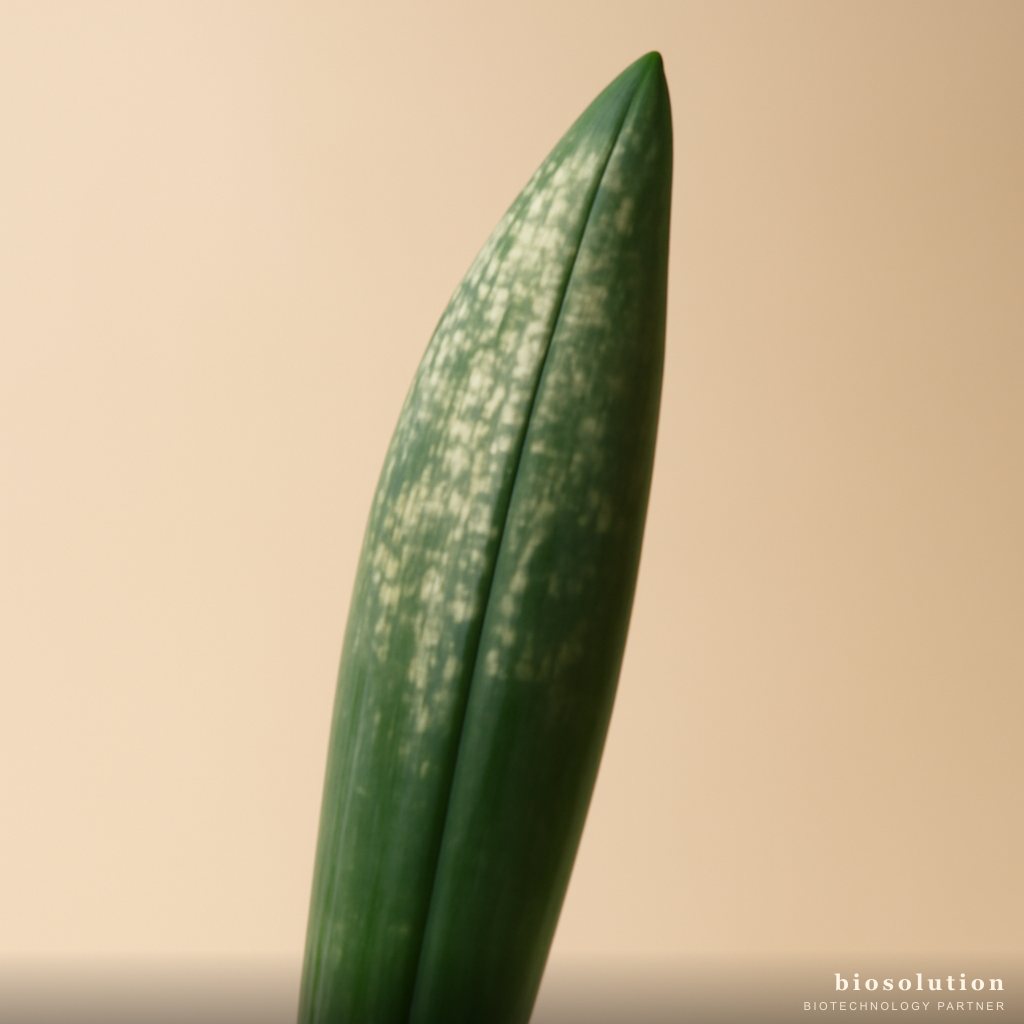
- Bite marks: Silvery tissue or black spots (thrips feces).
Take random plant samples (at least 20 plants per hectare) and count thrips per plant. For onions, check leaf folds; for chilies and tomatoes, check young leaves and flowers.
Determining Action Thresholds
An action threshold is the thrips population that causes economic damage. Based on research by Balitsa (Vegetable Research Institute), action thresholds for:
- Shallots: 4-5 thrips per plant or 10% infested plants.
- Chili: 2-3 thrips per leaf or 15% leaves showing symptoms.
- Tomato: 5 thrips per plant or 20% infected leaves.
If the population is below the threshold, no spraying is needed. If it reaches or exceeds the threshold, it is time for control application. This is where Biosolution's horticultural anti-thrips solution comes as an effective and environmentally friendly choice.
Horticultural Anti-Thrips Solution from Biosolution
Biosolution presents Horticultural Anti-Thrips Formula containing Beauveria bassiana thrips strain. This entomopathogenic fungus specifically infects thrips without harming beneficial insects. Here are application details:
- Dosage: 3 ml per liter of water.
- Application method: Spray thoroughly to growing points, lower leaf surfaces, and plant crevices.
- Frequency: Every 5-7 days, especially when populations start to increase.
- Best time: Late afternoon when relative humidity (RH) >75% for maximum Beauveria spore activity.
Product advantages:
- Controls thrips-borne viruses: Thrips often carry Tomato Spotted Wilt Virus (TSWV) and Iris Yellow Spot Virus (IYSV). By suppressing thrips populations, virus transmission is reduced.
- Reduces leaf necrosis: Necrosis symptoms from thrips bites are minimized.
- Safe for organic farming: Leaves no harmful residues.
- Cost-effective: More affordable than imported chemical insecticides.
For more information, visit the product page Horticultural Anti-Thrips Formula or consult directly with our team.
Integrated Pest Management (IPM) Strategy for Thrips
Thrips control cannot rely on a single method. Integrate the following approaches:
Use of Silver Plastic Mulch
Silver mulch reflects light that confuses thrips, making them reluctant to land. Additionally, mulch reduces soil moisture favored by thrips.
Planting Refugia and Trap Crops
Plant flowers like cosmos or marigolds around the field. These flowers attract natural enemies of thrips such as Orius beetles and predatory mites. Trap crops like long beans can draw thrips away from the main crop.
Preventive Application of Beauveria bassiana
Do not wait for high populations. Spray Beauveria bassiana routinely from young plants (2 weeks after planting) at 7-10 day intervals. This establishes strong early protection. Biosolution's product is formulated with a virulent strain against thrips, making it effective as a preventive horticultural anti-thrips.
Field Sanitation
Clean weeds and crop residues after harvest. Thrips survive on weeds like Ageratum conyzoides and nutsedge. Sanitation drastically reduces inoculum sources.
Case Study: Success of a Chili Farmer in Brebes
Mr. Budi, a chili farmer in Brebes, Central Java, complained about thrips attacks causing leaf curling and fruit deformities. He routinely sprayed chemical insecticides every 3 days, but costs swelled to IDR 1.5 million per season. After attending IPM training, he switched to trap monitoring and scouting. He installed 10 yellow traps per hectare and checked weekly. When the population reached 3 thrips per leaf, he sprayed Biosolution's Horticultural Anti-Thrips Formula. Results:
- Thrips population dropped 70% in 2 weeks.
- Pesticide costs decreased 60%.
- Yield increased 25% due to minimal fruit damage.
Mr. Budi now recommends this product to fellow farmers. This success story proves that biological horticultural anti-thrips is not just theory but a real field solution.
FAQ About Thrips Control
How to distinguish thrips from other small pests?
Use a magnifying glass. Adult thrips are slender, 1-2 mm long, yellow to black. Nymphs are smaller and wingless. Thrips bites leave silvery tissue and black fecal spots. Unlike mites that leave fine webbing, or aphids that excrete honeydew.
Is the Anti-Thrips Formula safe for bees and natural enemies?
Yes, Beauveria bassiana is selective to thrips and target insects. It does not harm bees, predatory beetles, or parasitoids if sprayed at the recommended dosage. However, avoid spraying during full bloom to minimize direct contact with bees.
How long does Beauveria bassiana persist in the field?
Beauveria spores can survive 3-7 days on leaf surfaces depending on weather. In dry and hot conditions, lifespan is shorter. Therefore, reapply every 5-7 days. Spraying in the late afternoon when humidity is high increases spore persistence.
Can this product be mixed with chemical pesticides?
It is best not to mix directly with fungicides or bactericides as they can inhibit fungal growth. If necessary, apply with at least a 2-day interval. However, for optimal results, use it independently in an IPM program.
Where can I buy the Horticultural Anti-Thrips Formula?
The product is available at Biosolution partner agricultural stores or via online ordering. Contact our WhatsApp at [https://wa.me/6281234567890] for nearest distributor information.
Conclusion
Monitoring thrips populations using traps, scouting, and action thresholds is a crucial first step in a horticultural anti-thrips strategy. By knowing when the population reaches the economic threshold, farmers can save costs and reduce chemical use. Biological solutions like Biosolution's Horticultural Anti-Thrips Formula containing Beauveria bassiana thrips strain offer effective, safe, and sustainable control. Do not hesitate to integrate this product into your IPM program. For further consultation, contact Biosolution's technical team via WhatsApp or see product details at Horticultural Anti-Thrips Formula.