Horticultural Anti-Thrips: Efficacy Comparison of Biological Formula vs Synthetic Insecticide
Thrips (Thrips spp.) are major pests of horticultural crops such as shallots, chilies, and tomatoes. These small insects not only directly damage leaf and fruit tissue but also act as vectors for deadly viruses (TSWV, TYLCV). Farmers often rely on synthetic insecticides, but resistance and chemical residues are serious issues. This article examines the efficacy comparison of Anti-Thrips Horticultural Formula based on Beauveria bassiana with synthetic insecticides, based on scientific data and field practices.
Why Are Thrips Difficult to Control?
Thrips have a short life cycle (14-20 days) and high reproductive capacity. Females produce 50-100 eggs, and nymphs and adults are active. Thrips also easily hide in growing points, leaf folds, and undersides of leaves, making contact insecticide application often suboptimal. Additionally, resistance to organophosphate, pyrethroid, and neonicotinoid insecticides has been reported in various production centers. This is why a biological approach with entomopathogenic agents such as Beauveria bassiana is a promising alternative.
Mechanism of Action of Anti-Thrips Horticultural Formula
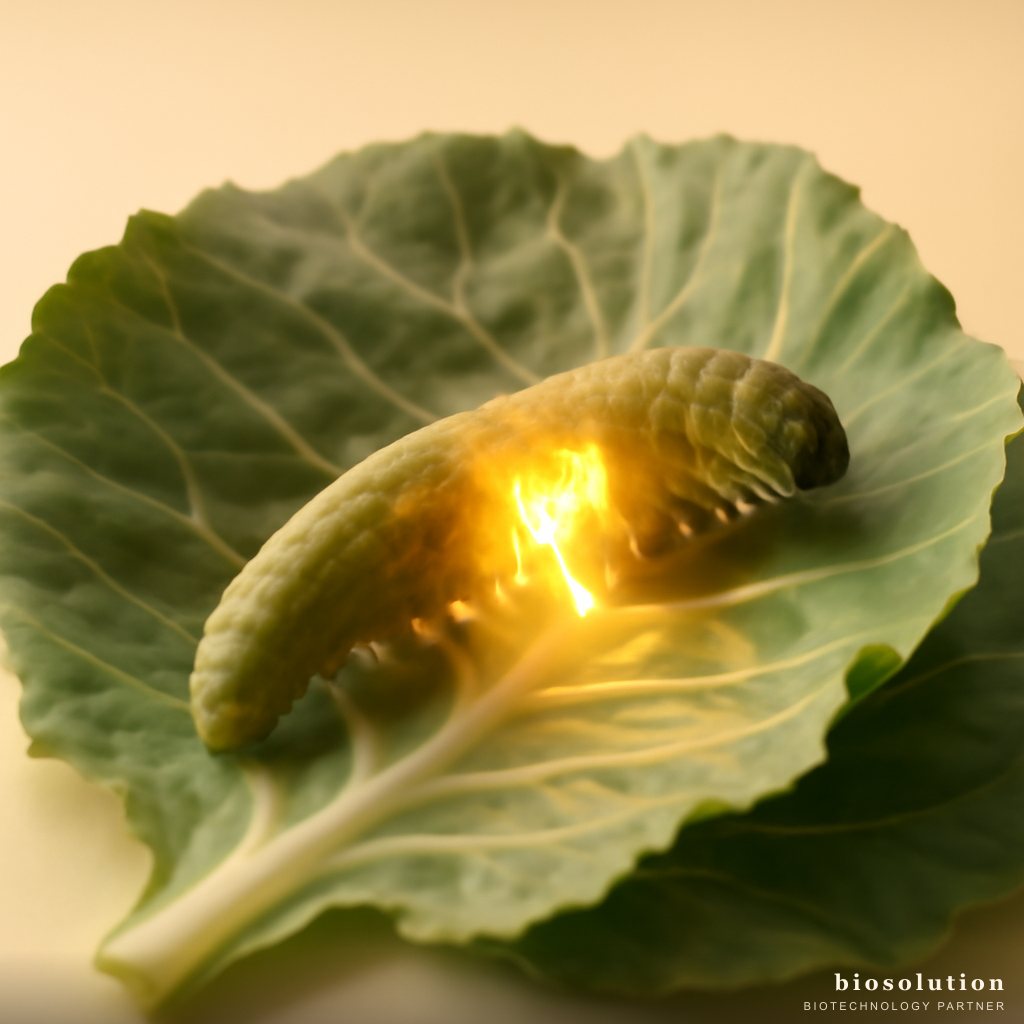
Anti-Thrips Horticultural Formula contains Beauveria bassiana strain specific to thrips. This entomopathogenic fungus works by penetrating the thrips cuticle through chitinase and protease enzymes. Once inside the hemolymph, mycelium develops and produces beauvericin toxin that paralyzes the insect's immune system. Infected thrips stop feeding within 24-48 hours and die within 3-5 days. Mycelium then emerges from the thrips body and produces new conidia that infect other thrips. The advantages of this mechanism are:
- High selectivity: only attacks target insects, safe for natural enemies such as predatory beetles and parasitoids.
- Leaves no residue: safe for consumers and the environment.
- Low residual effect: does not disturb pollinators and non-target organisms.
Efficacy Comparison: Field and Laboratory Data
Several studies have compared the efficacy of Beauveria bassiana with synthetic insecticides. Here is a summary of data:
| Parameter | Anti-Thrips Formula (Beauveria bassiana) | Synthetic Insecticide (e.g., Spinosad, Abamectin) |
|---|---|---|
| Mortality (lab, 7 DAA) | 85-92% at 3 ml/L concentration | 80-90% at recommended dose |
| Field population suppression | 70-80% after 2 applications | 60-75% after 1 application (fast effect, but not lasting) |
| Time to death onset | 3-5 days | 1-2 days |
| Protection duration | 7-10 days (residual conidia effect) | 3-5 days (UV degradation) |
| Resistance risk | Low (multi-target) | High (single target) |
| Environmental safety | Safe (does not disturb beneficial insects) | Harmful (kills predators) |
The data shows that although synthetic insecticides provide a faster knock-down effect, the Anti-Thrips Formula provides longer protection and is safe for the ecosystem. In shallot cultivation in Brebes, application of Beauveria bassiana every 5 days suppressed thrips by up to 78% and reduced leaf damage by 40% compared to chemical control.
Advantages of Anti-Thrips Horticultural Formula for Onions, Chilies, and Tomatoes
Shallots
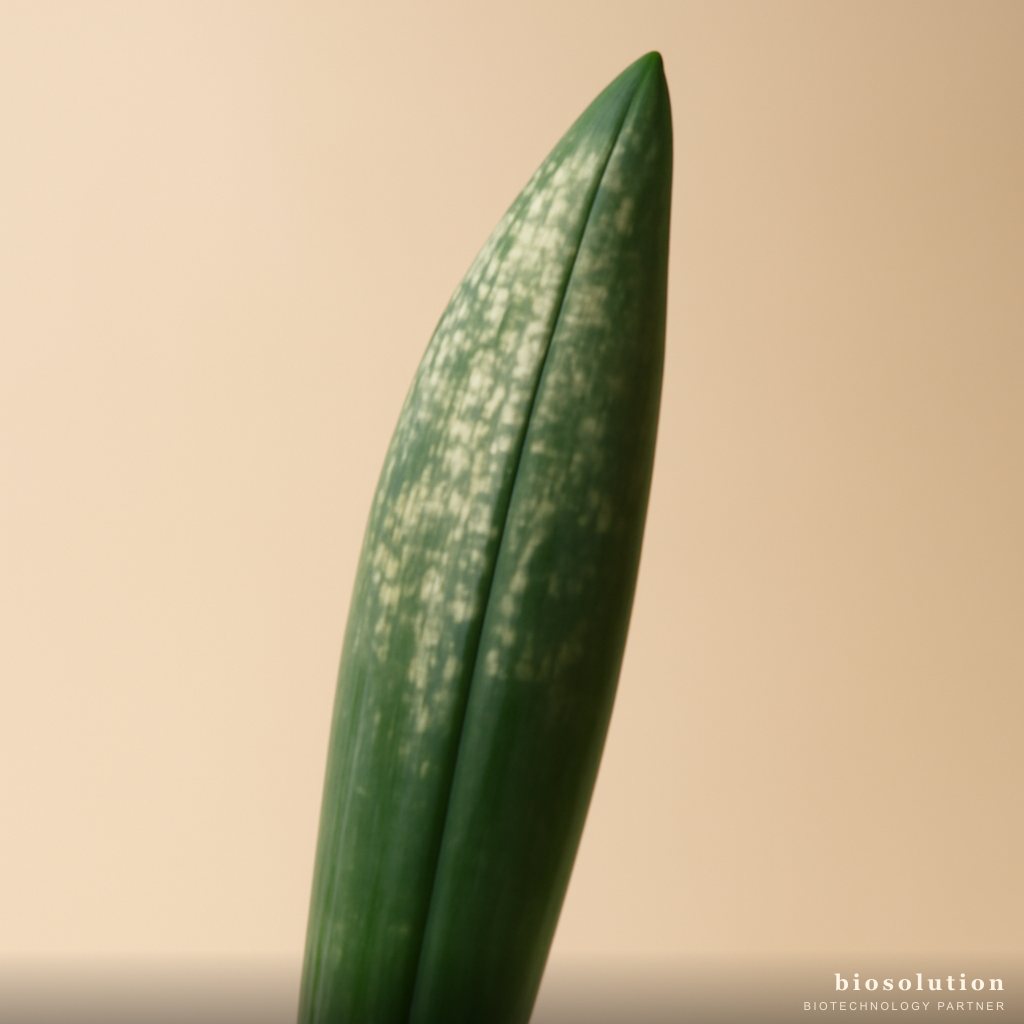
Thrips cause shallot leaves to become silvery and stunted. The Anti-Thrips Formula applied in the afternoon (RH >75%) increases conidia infectivity. Farmers in Cirebon reported a reduction in chemical insecticide use by up to 60% after switching to this formula.
Chilies
In chilies, thrips are vectors of yellow leaf curl virus (TYLCV). Biological control from the nursery stage is crucial. Application of 3 ml/L water every 5-7 days can suppress thrips populations and reduce virus incidence by up to 50% (trial data from Bandung).
Tomatoes
Tomato thrips often attack flowers and young fruit, causing fruit deformities. The Anti-Thrips Formula sprayed evenly on growing points and flowers can save yields. Combined use with silver plastic mulch increases efficacy.
Proper Application for Maximum Results
Correct application determines the success of biological control. Here is a guide for Anti-Thrips Horticultural Formula:
- Dosage: 3 ml per liter of water (about 15 ml per 5-liter tank).
- Method: Spray evenly on all plant parts, especially growing points, leaf folds, and undersides of leaves.
- Timing: Afternoon (3:00-5:00 PM) when humidity is high (>75%) and UV light is low.
- Frequency: Every 5-7 days, or 3 days after rain.
- Mixing: Do not mix with chemical fungicides. Can be mixed with organic adhesive to improve adhesion.
For farmers transitioning from chemicals, it is recommended to do a gradual transition with alternating applications (rotation) for 2-3 planting cycles.
Case Studies: Successful Thrips Control in the Field
Case 1: Shallots in Brebes
A farmer named Pak Slamet complained about thrips resistant to abamectin. After using Anti-Thrips Horticultural Formula (3 ml/L, every 5 days), thrips populations decreased by 80% within 3 weeks. Shallot leaves turned green again and yields increased by 15%.
Case 2: Chilies in Bandung
A farmer group in Lembang applied this formula from the vegetative stage. Curly virus incidence dropped from 35% to 12%. Pest control costs decreased by 40% due to no repeated chemical applications.
Case 3: Tomatoes in Malang
In the highlands, thrips often attack flowers. Routine application every 5 days from early flowering produced smooth, blemish-free fruit. The fruit was also fresher due to being free of pesticide residues.
FAQ: Common Farmer Questions About Anti-Thrips Formula
Is the Anti-Thrips Formula safe for vegetable crops?
Yes, it is safe. Beauveria bassiana is a natural fungus that is not phytotoxic. This formula can even be used on certified organic crops. There is no pre-harvest interval because it leaves no chemical residues.
How long does the formula's effect last in the field?
Beauveria bassiana conidia can survive 5-7 days on leaf surfaces if not washed off by rain. Reapplication every 5-7 days is recommended to maintain high conidia populations. In dry conditions, add an adhesive or apply in the afternoon.
Can it be mixed with other pesticides?
Avoid mixing with chemical fungicides as they can kill the fungus. Can be mixed with botanical insecticides (e.g., neem) or organic adhesives. If chemicals are necessary, allow a 2-3 day interval.
How should the diluted formula be stored?
The solution mixed with water should be used immediately. If leftover, store in a cool, dark place for a maximum of 24 hours. Do not store in used chemical pesticide bottles.
Is this formula effective against adult thrips?
Yes, both nymphs and adults are susceptible to Beauveria bassiana infection. However, application must directly contact the thrips body. Therefore, thorough spraying is essential.
Conclusion
The efficacy comparison between Anti-Thrips Horticultural Formula based on Beauveria bassiana and synthetic insecticides shows that biological control excels in safety, sustainability, and long-term effectiveness. Although the onset of death is slower, the protection provided is longer-lasting and does not trigger resistance. For onion, chili, and tomato farmers, switching to this formula is a smart step towards environmentally friendly and residue-free agriculture. Interested in trying? Consult your needs with the Biosolution team via WhatsApp for appropriate dosage and application schedule recommendations.