Integrated Biocontrol IPM: 4 Biological Pest Control Formulas
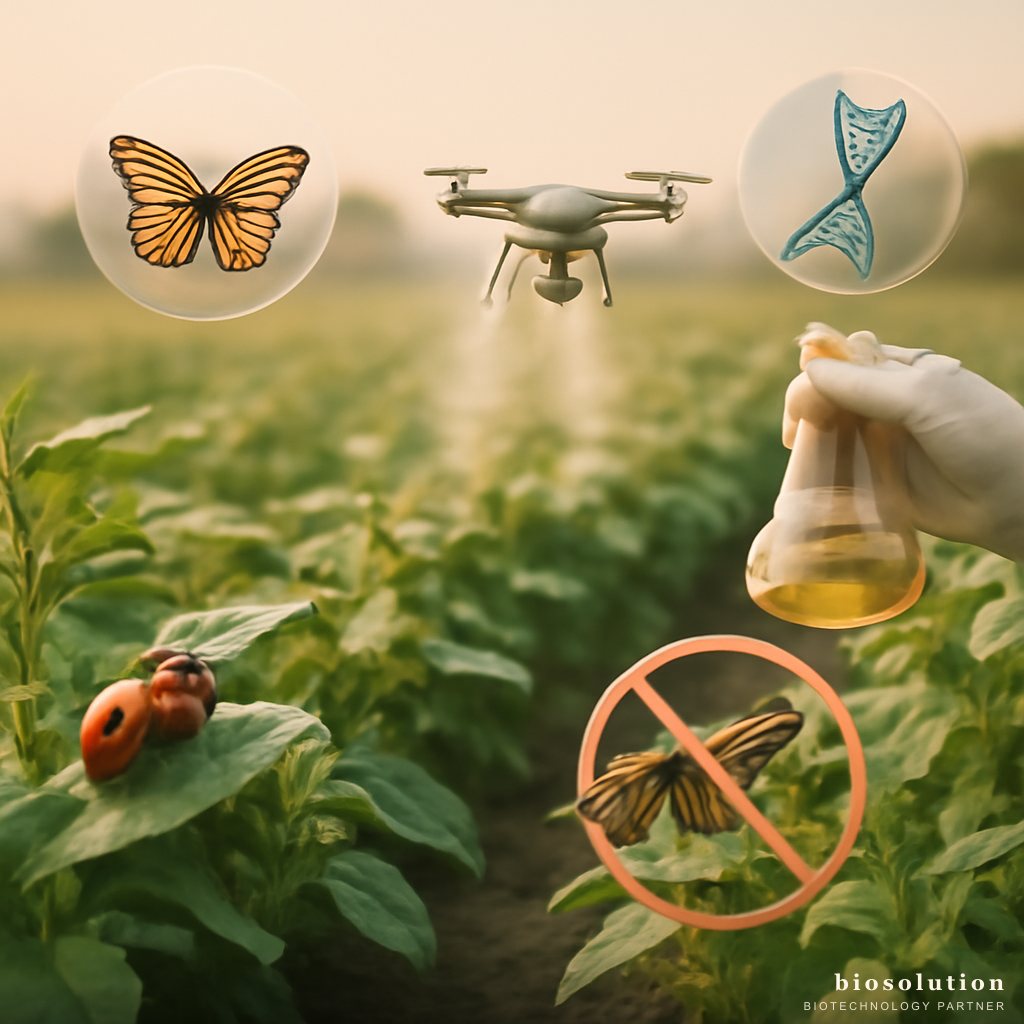
Integrated pest management (IPM) now cannot be separated from the role of biocontrol agents. Integrated biocontrol IPM is a key solution for modern plantations and agriculture that desire chemical residue-free harvests. By using broad-spectrum biological insecticide formulas containing Beauveria bassiana and Metarhizium anisopliae, farmers can effectively, safely, and environmentally control various insect pests.
Why Is Integrated Biocontrol IPM Increasingly Important?
The IPM concept emphasizes ecosystem balance by minimizing the use of chemical pesticides. Integrated biocontrol IPM optimizes the role of natural enemies, including entomopathogenic microbes. The use of biological insecticides such as formulas containing B. bassiana and M. anisopliae is a main pillar because they can suppress pest populations without harming the environment. Additionally, chemical residues on harvested products are zero, making agricultural products safer for consumption and having high market value.
Data from the Ministry of Agriculture shows that the application of biocontrol-based IPM can reduce chemical pesticide use by up to 50% without sacrificing production. This aligns with Indonesia's sustainable agriculture targets.
Broad-Spectrum Biological Insecticide Formula: Composition and Mechanism of Action
Biosolution's broad-spectrum biological insecticide formula contains two superior strains: Beauveria bassiana and Metarhizium anisopliae with a density of 10⁶ CFU/ml each. Both fungi work synergistically to infect various types of insect pests.
Infection Mechanism of Beauveria bassiana
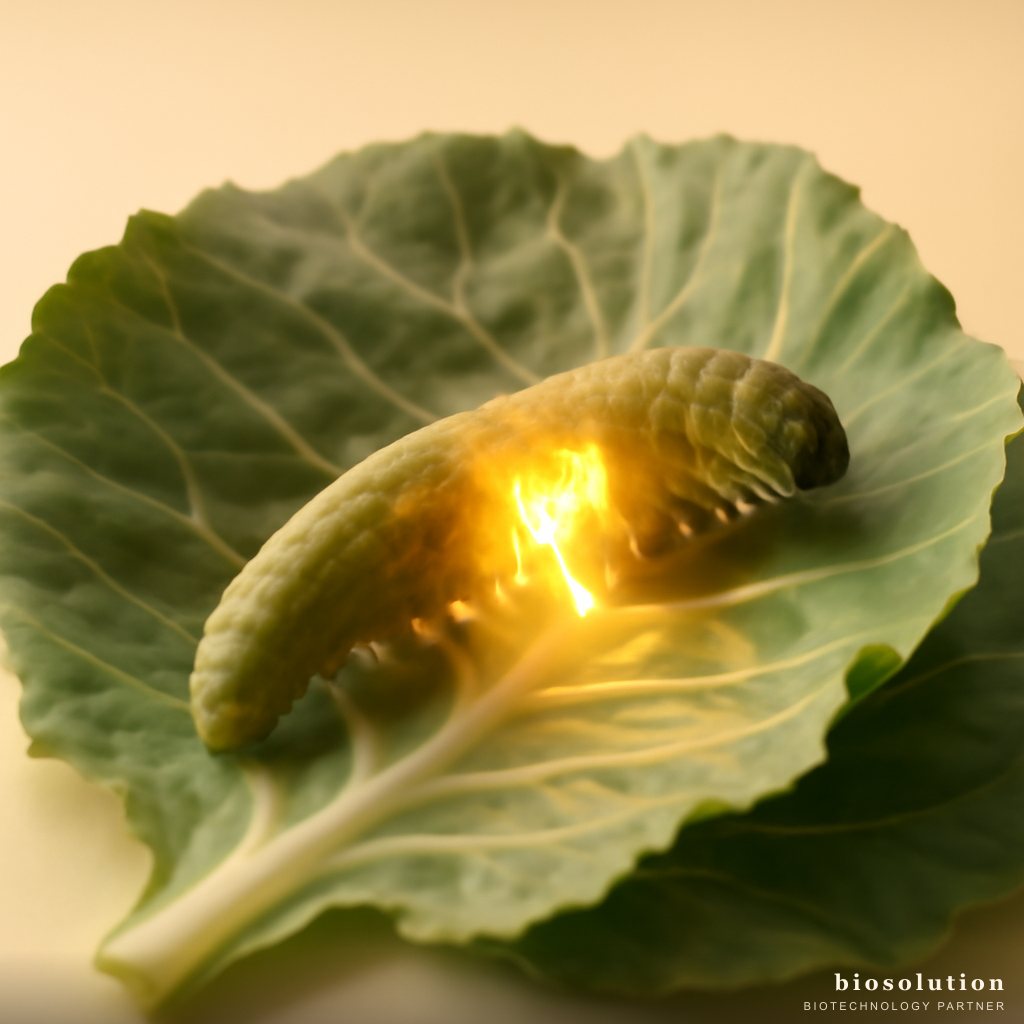
Beauveria bassiana attacks soft-bodied insects such as aphids, planthoppers, and caterpillars. Spores attach to the cuticle, then germinate and penetrate the host's body using protease and chitinase enzymes. Mycelium grows inside the body, producing toxins that kill the insect within 3-7 days. After death, mycelium emerges and produces new spores that can infect other insects.
Infection Mechanism of Metarhizium anisopliae
Metarhizium anisopliae is effective against beetles, cutworms, and grasshoppers. Its infection process is similar, but it is more adaptive to soil conditions. This fungus also produces strong chitinase enzymes, enabling it to penetrate thicker cuticles. Both strains complement each other, providing a broad control spectrum.
Application of Biological Formula: Dosage, Timing, and Adjuvant Combinations
For maximum efficacy (80-85%), the application of biological insecticide formulas must be precise in dosage, timing, and method. Here are the technical guidelines.
Dosage and Spraying Method
For liquid products, the recommended dosage is 2-3 ml per liter of water. If using WP (wettable powder), use 3-5 grams per liter. Spray evenly over the entire plant canopy, especially the underside of leaves where pests often hide. Spray volume should be adjusted to plant size, typically 400-600 liters per hectare for plantation crops.
Best Application Timing
Application is done in the afternoon when relative humidity (RH) is above 70%. The optimal temperature for spore germination is 25-30°C. Avoid spraying during hot sunny weather because UV rays can damage spores. Application frequency is every 7-10 days when pest populations begin to increase. If the population is already high, spray twice a week until controlled.
Adjuvant Combinations to Increase Efficacy
Adjuvants such as non-ionic surfactants (0.1-0.2%) can improve spore spreading and adhesion on leaves. Some studies show that adding vegetable oil (e.g., neem oil) at 1-2% also increases spore persistence in the field. Avoid mixing with chemical fungicides as they can inhibit fungal growth. For optimal results, use a complete formulation that already contains adjuvants.
Integrated Biocontrol IPM Strategy in Plantations
The implementation of integrated biocontrol IPM does not rely solely on one product. Here are strategic steps that can be applied in plantations.
Pest Population Monitoring
Conduct routine observations every week using yellow traps or visual inspection. Calculate the economic threshold to determine whether application is necessary. For example, for fall armyworm on corn, the economic threshold is 2-3 egg masses per 10 plants. With monitoring, biological application is targeted and efficient.
Rotation with Other Biological Agents
In addition to biological insecticide formulas, also use other biological agents such as Bacillus thuringiensis (Bt) for caterpillars, or predators like lady beetles. Rotating mechanisms of action prevents pest resistance. Biosolution also provides Anti-Fall Armyworm Formula for Rice & Corn that can be combined.
Integration with Cultivation Practices
Land sanitation, proper plant spacing, and balanced fertilization support plant health, making them more resistant to pest attacks. Using plastic mulch can also suppress soil pest populations. All these are part of IPM that synergizes with biocontrol.
Advantages of Biosolution Biological Insecticide Formula
This product has several advantages that support integrated biocontrol IPM:
- Efficacy of 80-85% against target pests, equivalent to certain chemical insecticides.
- Free of chemical residues, so harvests are safe for consumption and meet export standards.
- Compatible with IPM, does not kill natural enemies and does not pollute the environment.
- Safe for workers and livestock, does not cause irritation or poisoning.
This product has been tested in various plantations and shows consistent results. For more information, visit the biological pest control formula product page.
Conclusion
Integrated biocontrol IPM with broad-spectrum biological insecticide formulas is a smart solution for sustainable agriculture. With proper application—dosage 2-3 ml/L, afternoon timing, and adjuvant combinations—efficacy can reach 85% without chemical residues. This strategy not only controls pests but also maintains the ecosystem and increases harvest value. For further consultation, contact the Biosolution team via WhatsApp.
FAQ
What is integrated biocontrol IPM?
Integrated biocontrol IPM is an integrated pest management approach that prioritizes the use of biological agents such as entomopathogenic fungi, bacteria, or natural predators. Its goal is to reduce dependence on chemical pesticides, maintain ecosystem balance, and produce residue-free agricultural products. This strategy involves monitoring, agent rotation, and supportive cultivation practices.
How to correctly apply biological insecticide formula?
Mix 2-3 ml of liquid formula per liter of water, spray evenly over the entire plant in the afternoon when humidity is high (>70%). Repeat every 7-10 days when pest populations increase. Avoid mixing with chemical fungicides. Use adjuvants such as non-ionic surfactants to increase effectiveness.
Is this formula safe for plants and the environment?
Yes, this formula is safe because it only contains entomopathogenic microbes that specifically attack insect pests. It leaves no chemical residues, does not contaminate soil or water, and does not harm pollinating insects like bees if applied according to regulations. This product is registered and meets organic farming standards.
How long does it take to see results?
After application, pests begin to die within 3-7 days depending on type and stage. Full efficacy is seen after 7-10 days. Secondary infection from spores emerging from pest carcasses will continue to control the population. For optimal results, apply regularly according to schedule.
Can this formula be combined with chemical pesticides?
It is best not to mix directly with chemical fungicides as they can inhibit fungal growth. However, they can be used alternately in an IPM program. For example, apply biologicals when pest populations are low, and chemicals only if the economic threshold is exceeded. Consult with an expert for an appropriate rotation strategy.