Integrated Biocontrol IPM: Efficacy of Biological vs Synthetic Insecticide Formulation
In the era of sustainable agriculture, integrated biocontrol IPM has become a mainstay for environmentally friendly pest management. Biosolution's Broad-Spectrum Biological Insecticide Formula offers a biocontrol solution based on two superior entomopathogenic strains: Beauveria bassiana and Metarhizium anisopliae. This article presents a comparison of efficacy between this biological product and conventional synthetic insecticides, supported by technical data and Integrated Pest Management (IPM) principles.
Why Is Integrated Biocontrol IPM Increasingly Necessary?
Continuous use of synthetic insecticides leads to pest resistance, resurgence, and chemical residues on harvested crops. Integrated biocontrol IPM offers a more sustainable approach by utilizing natural enemies of pests. The Broad-Spectrum Biological Insecticide Formula contains Beauveria bassiana and Metarhizium anisopliae which work synergistically to control various insect pests. With efficacy reaching 80–85% against target pests, this product is an effective alternative that is safe for workers, consumers, and the environment.
Efficacy Comparison: Biological Formula vs Synthetic Insecticides
Mechanism of Action
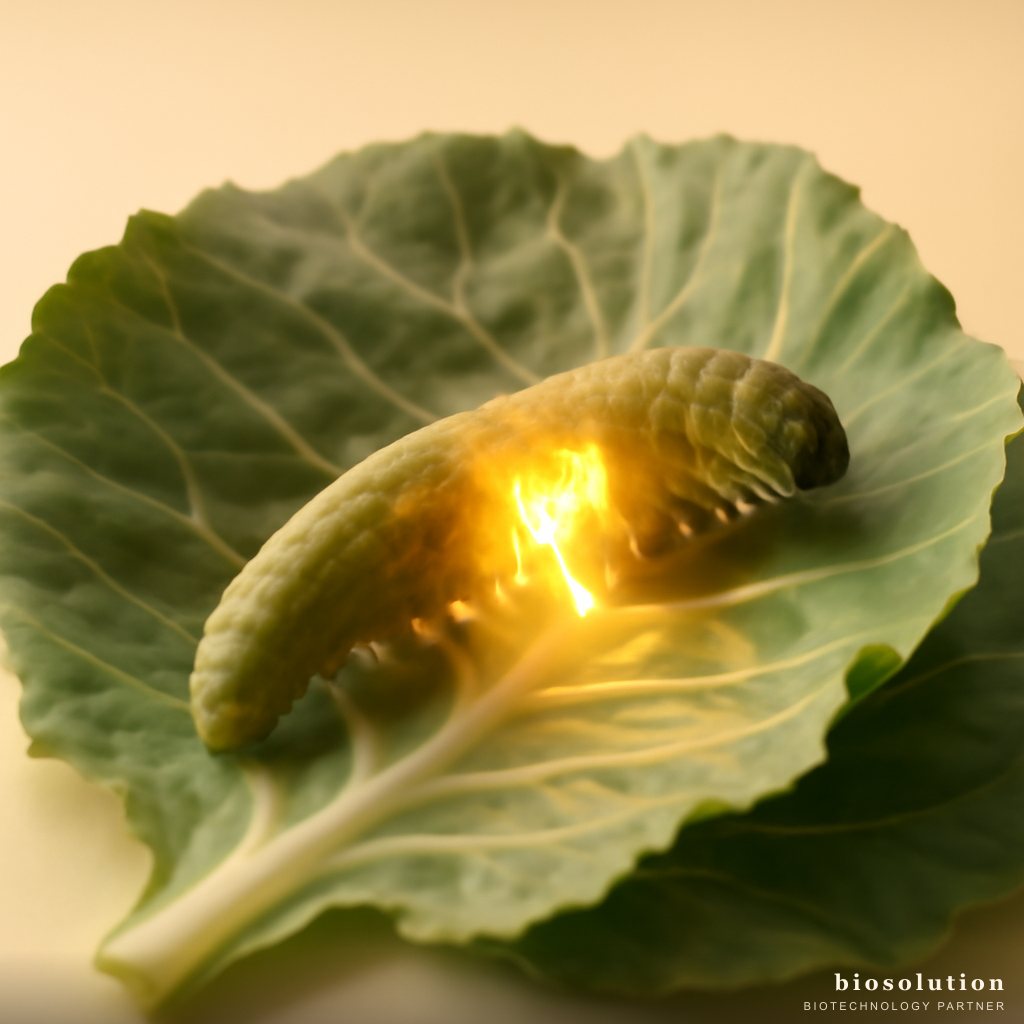
Synthetic insecticides generally work as contact or stomach poisons that directly kill pests. However, their effects are non-specific, can kill non-target insects, and trigger resistance. In contrast, the Biological Insecticide Formula works through a gradual infection process: spores attach to the insect cuticle, then penetrate using protease and chitinase enzymes. Mycelium grows inside the host body, producing lethal toxins, and eventually sporulates on the carcass to infect other pests. This process takes 3–7 days but provides long-term control effects and breaks the pest life cycle.
Efficacy Against Target Pests
Efficacy data for the biological product reaches 80–85% against target pests such as armyworms, beetles, and soil pests. In comparison, synthetic insecticides from the pyrethroid or organophosphate groups may provide initial efficacy of 90–95%, but their effectiveness drops drastically due to resistance. A study from IRRI (International Rice Research Institute) shows that consistent use of biopesticides in IPM programs can maintain high efficacy without cross-resistance.
Safety and Environmental Impact
Synthetic insecticides leave residues on harvested crops and soil, endangering pollinators and natural enemies. In contrast, the Biological Insecticide Formula leaves no chemical residues (zero residue), is safe for workers, and is compatible with other biological agents. This product also does not contaminate groundwater. Thus, integrated biocontrol IPM maintains the balance of agricultural ecosystems.
Composition and Mechanism of Broad-Spectrum Biological Insecticide Formula
Beauveria bassiana
This strain is an entomopathogen effective at attacking the cuticle of soft-bodied insects such as caterpillars, aphids, and thrips. Spores germinate at high humidity (>70%) and temperatures of 20–30°C. The produced chitinase and protease enzymes break down the cuticle layer, allowing hyphae penetration into the pest's body.
Metarhizium anisopliae
This strain excels in controlling beetles and soil caterpillars. Metarhizium produces destruxins, toxins that paralyze the insect's immune system. Both strains in this formula have a minimum concentration of 10⁶ CFU/ml, ensuring high viability and infectivity.
Gradual Infection Mechanism
- Spore attachment to the insect cuticle.
- Enzymatic penetration using protease and chitinase.
- Mycelial growth in the hemolymph, absorbing host nutrients.
- Host death due to toxins and tissue damage.
- Sporulation on the carcass, releasing new spores for secondary infection.
This process takes 3–7 days depending on environmental conditions. High humidity (>70%) and optimal temperature (25–30°C) accelerate infection.
Application in IPM Programs
Dosage and Application Method
The Biological Insecticide Formula is applied by thorough spraying onto the plant canopy. Recommended dosage:
- Liquid formulation: 2–3 ml per liter of water.
- WP formulation: 3–5 grams per liter of water.
Application frequency is every 7–10 days when pest populations begin to increase. The best time is in the afternoon when humidity is high (RH >70%) to maximize spore germination.
Integration with Other IPM Components
This product is compatible with other biological agents such as Trichoderma and Bacillus thuringiensis. Avoid mixing with chemical fungicides that can inhibit fungal growth. In IPM programs, biological application is combined with crop rotation, insect traps, and pest population monitoring.
Case Study: Field Effectiveness
In a corn plantation in East Java, application of the Biological Insecticide Formula over two growing seasons showed an 82% reduction in armyworm populations without affecting predator beetle populations. Meanwhile, plots using synthetic insecticides experienced pest resurgence in the fourth week. This data aligns with the Ministry of Agriculture's reports on the effectiveness of biopesticides in IPM.
Advantages of Biological Insecticide Formula for Plantations
- 80–85% efficacy against target pests.
- Zero chemical residue on harvested crops, meeting export standards.
- Safe for workers and the environment, no special PPE required.
- IPM compatible, does not disrupt natural enemies.
- Prevents resistance due to multi-target mechanisms.
Conclusion
Integrated biocontrol IPM using the Broad-Spectrum Biological Insecticide Formula offers competitive efficacy (80–85%) without the negative impacts of synthetic insecticides. With the gradual infection mechanism by Beauveria bassiana and Metarhizium anisopliae, this product is a mainstay in sustainable pest management. For optimal results, apply in the afternoon with the correct dosage and regular frequency. Consult with the Biosolution technical team for specific recommendations on your land.
Learn more about the Broad-Spectrum Biological Insecticide Formula and Anti-Armyworm Formula for Rice & Corn for integrated IPM solutions.
FAQ
What is the main difference between biocontrol and synthetic insecticides?
Biocontrol uses entomopathogenic microbes that specifically infect pests, leaving zero residue and not triggering resistance. Synthetic insecticides work quickly but risk resistance, residues, and impacts on non-target organisms.
How long does it take for the Biological Insecticide Formula to kill pests?
The infection process takes 3–7 days depending on environmental conditions. Pests die from toxins and tissue damage, then the carcass becomes a source of spores for secondary infection.
Is this product safe for plants and humans?
Yes, this product is safe because it contains no harmful chemicals. There is no pre-harvest interval, so it can be applied up until harvest.
How should the Biological Insecticide Formula be stored?
Store in a cool, dry place, away from direct sunlight. Ideal storage temperature is 4–10°C to maintain spore viability. Do not freeze.
Is this product compatible with other pesticides?
Compatible with other biological insecticides and some organic pesticides. However, avoid mixing with chemical fungicides as they can inhibit fungal growth. Always conduct a compatibility test first.
For further consultation, contact the Biosolution technical team via WhatsApp.