Integrated IPM Biocontrol: Biological Pest Control Strategy with 2 Reliable Formulas
Integrated pest management (IPM) has become a cornerstone of sustainable agriculture. Amid increasing awareness of the negative impacts of chemical pesticides, integrated IPM biocontrol offers a smart, environmentally friendly, and effective solution. This article thoroughly discusses the integrated IPM strategy using microbial biocontrol, specifically through Biosolution's Broad-Spectrum Biological Insecticide Formula. By combining two superior biological agents—Beauveria bassiana and Metarhizium anisopliae—this formula can synergistically control various insect pests. For farmers and agricultural extension workers, understanding the mechanism and application of this biocontrol is key to a bountiful, residue-free harvest.
Understanding Integrated Biocontrol in IPM
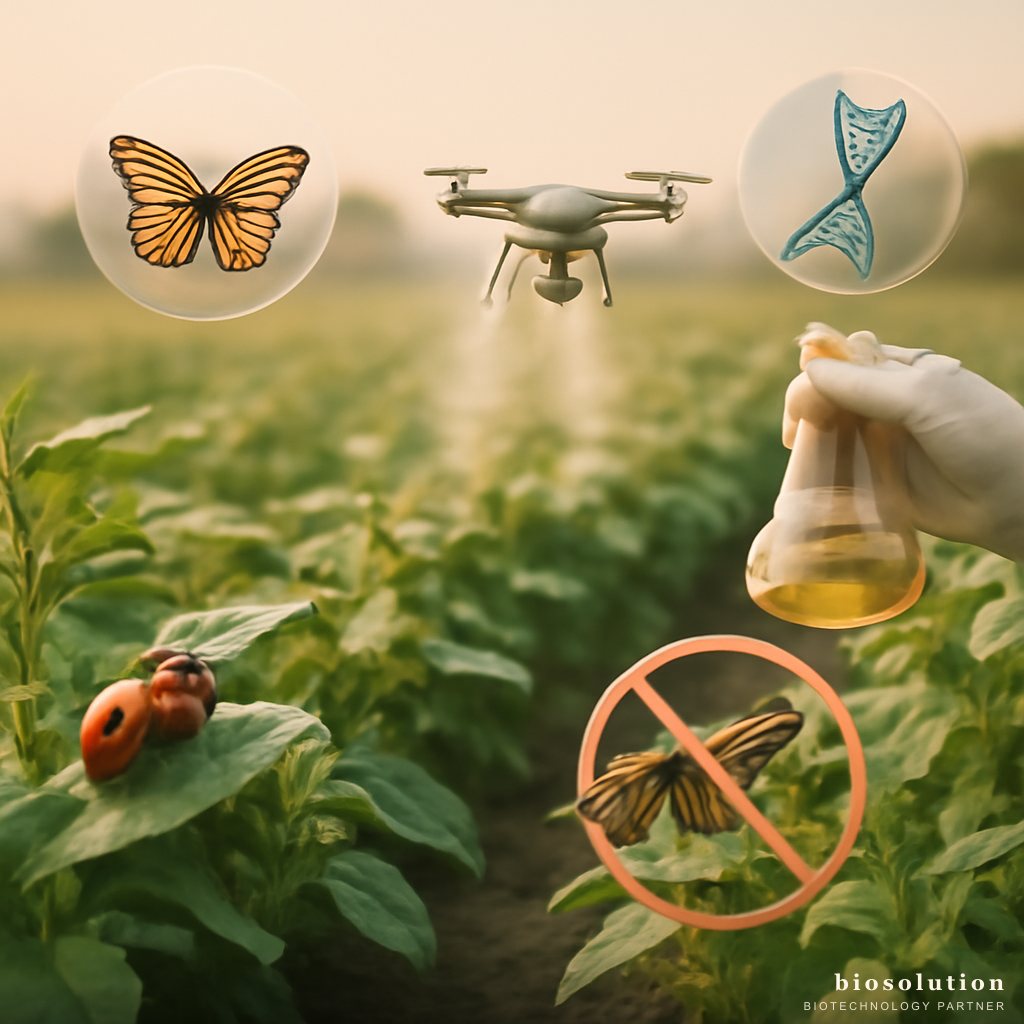
Integrated biocontrol is a vital component of IPM that utilizes natural enemies of pests, such as predators, parasitoids, and pathogens, to suppress pest populations below economic thresholds. Unlike chemical pesticides that kill indiscriminately, biocontrol works selectively and sustainably. In the context of IPM, biocontrol does not stand alone; it is combined with healthy cultivation practices, routine monitoring, and the use of resistant varieties. The goal is to create a stable agricultural ecosystem where pests do not easily outbreak.
The main advantage of biocontrol is that it leaves no harmful residues on harvested products. This is crucial for meeting food safety standards and opening access to export markets. Additionally, biocontrol is safe for workers, non-target organisms, and the environment. Thus, integrated IPM biocontrol is not just an alternative but the future solution for Indonesian agriculture.
Broad-Spectrum Biological Insecticide Formula: Synergy of Two Entomopathogens
Biosolution presents a Broad-Spectrum Biological Insecticide Formula containing two entomopathogenic microbial strains: Beauveria bassiana and Metarhizium anisopliae. Each has a specific but complementary role. Beauveria bassiana is highly effective against soft-bodied insects such as caterpillars, aphids, and planthoppers. Meanwhile, Metarhizium anisopliae excels at controlling beetles, grubs, and cutworms. Their combination results in a broad control spectrum, covering almost all major insect pests in plantations.
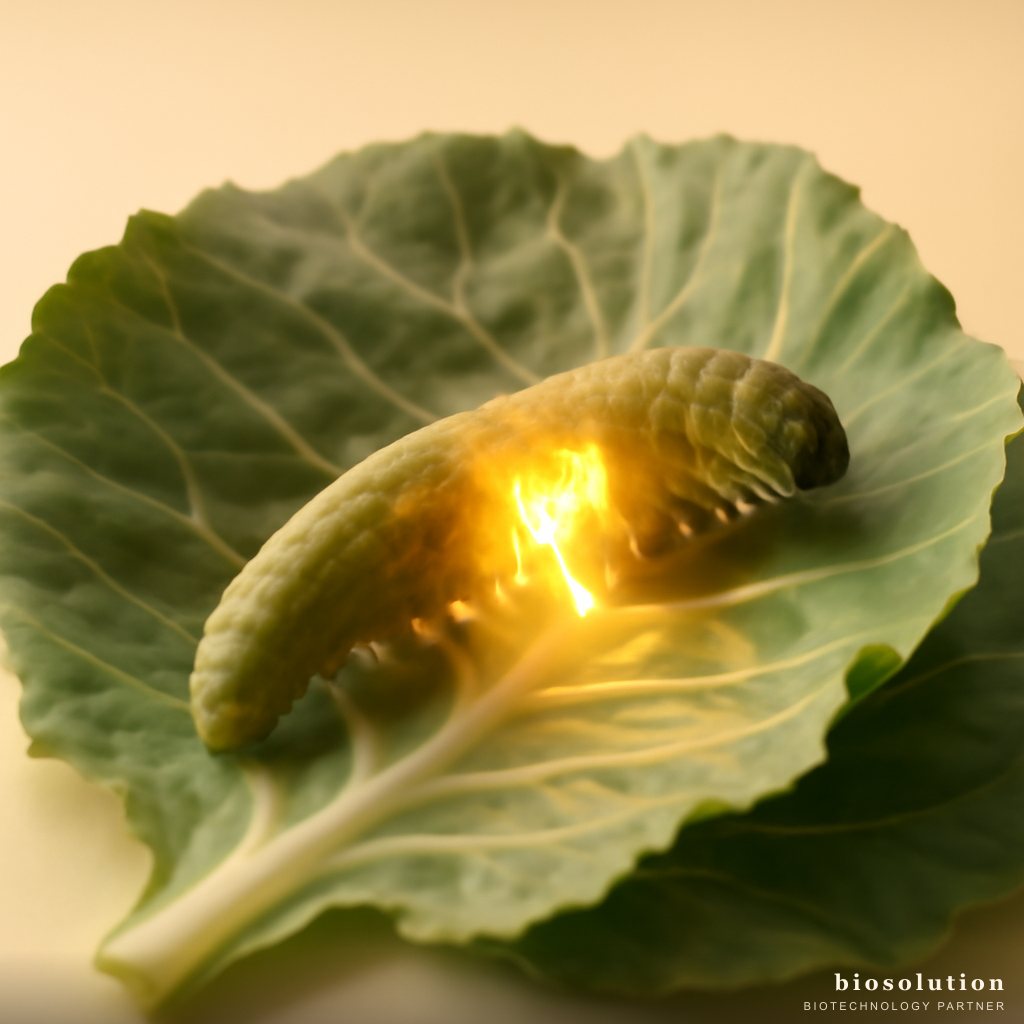
The working mechanism of both fungi is similar but with different host preferences. Spores that attach to the insect cuticle germinate and penetrate the host's body using protease and chitinase enzymes. Once inside, mycelium grows rapidly, damages internal tissues, and releases toxins that kill the insect within 3–7 days. Dead insects harden and are covered with white (B. bassiana) or green (M. anisopliae) mycelium, which then produces new spores to infect other insects. This is called secondary infection, making this biocontrol increasingly effective over time.
Advantages of the Formula Compared to Single Application
Using two strains in one formula offers several benefits. First, it broadens the target pest range, so farmers do not need to switch products for different pest types. Second, it reduces the risk of resistance because pests must fight two infection mechanisms simultaneously. Third, the synergy between strains increases efficacy to 80–85% against target pests, as tested in laboratory and field trials. With a concentration of 10⁶ CFU/ml per strain, this formula is ready-to-use and easy to apply.
Proper Application: Key to Biocontrol Success
For biocontrol to work optimally, application must be done correctly. The Broad-Spectrum Biological Insecticide Formula should be sprayed evenly over the entire plant canopy, especially the undersides of leaves where pests often hide. The recommended dosage is 2–3 ml per liter of water (or 3–5 g/L if in WP form). Spraying frequency is every 7–10 days when pest populations begin to increase, not waiting for an outbreak. The best time is in the late afternoon when relative humidity is high (>70%) and UV light is low, as fungal spores are sensitive to direct sunlight.
It is also important to ensure the water used is clean and not high in chlorine. Water pH should be neutral (6–7) to keep spores viable. Do not mix with chemical fungicides as they can kill the biological agents. If quick control is needed, use botanical insecticides or other compatible biopesticides. Routine monitoring using traps or direct observation helps determine the right application timing.
Case Study: Biocontrol Integration in Cocoa Plantations
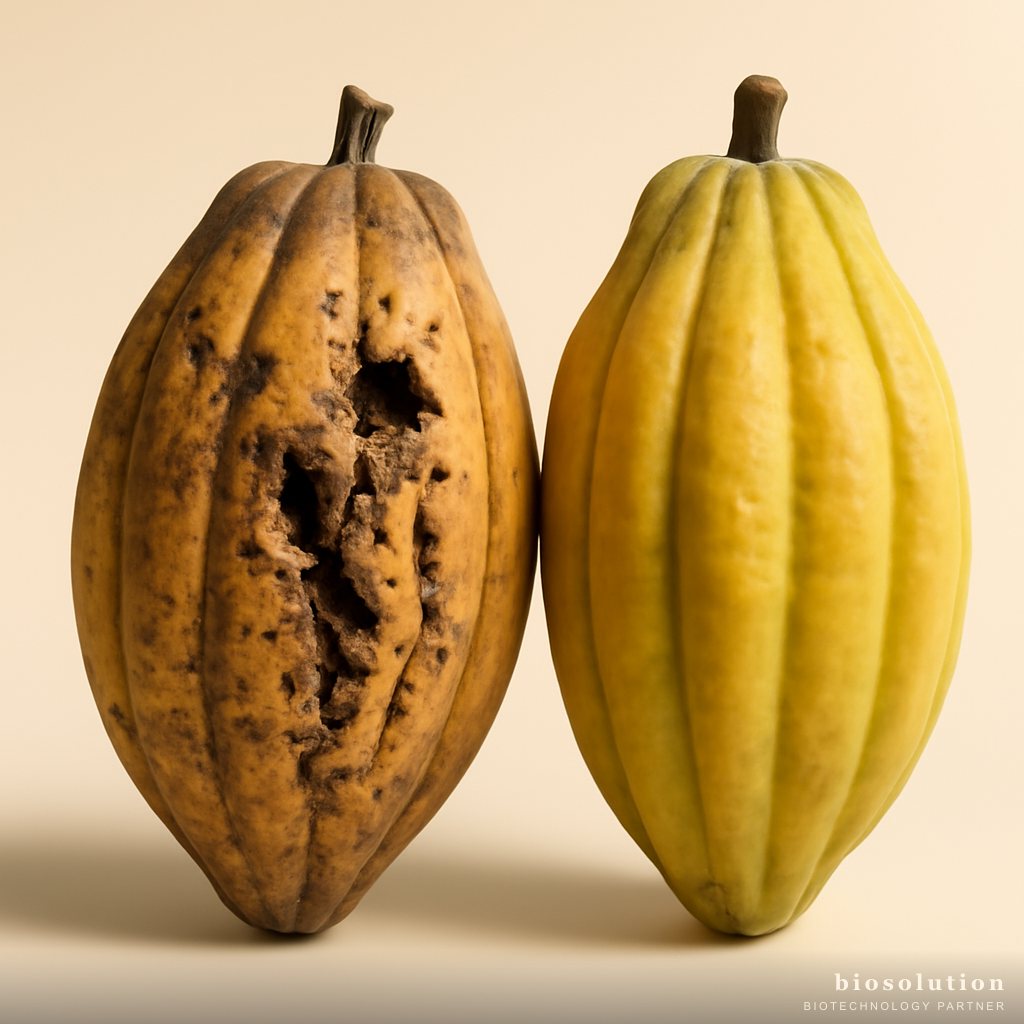
One successful example of integrated IPM biocontrol application is in smallholder cocoa plantations in Sulawesi. Major pests such as cocoa pod borer (CPB) and cocoa pod-sucking bug (Helopeltis) often cause significant losses. By adopting IPM based on biocontrol, farmers sprayed the Broad-Spectrum Biological Insecticide Formula every 10 days during the young pod phase. As a result, CPB attack rates dropped from 30% to below 10% within one season. Production increased by 25% and bean quality improved due to being residue-free.
This success was supported by agricultural extension workers who educated farmers on pest monitoring and field sanitation. Biocontrol was the main component, but it was still supported by pruning, balanced fertilization, and planting refugia plants. This integration pattern is the ideal IPM model: synergy between biocontrol, technical culture, and environmental management.
Challenges and Solutions in Biocontrol Implementation
Despite its effectiveness, biocontrol implementation still faces several challenges. First, farmers' perception, who are accustomed to chemical pesticides that provide quick effects. Education and demonstration plots are key to convincing them. Second, the availability of quality and consistent biocontrol products. Biosolution ensures every product has high spore viability with a standard of 10⁶ CFU/ml. Third, unfavorable environmental conditions, such as extreme temperatures or drought. The solution is to apply in the late afternoon and choose formulas that are tolerant to stress.
Fourth, costs may be higher compared to cheap chemical pesticides. However, in the long term, biocontrol is more economical because it does not require repeated applications, does not cause resistance, and yields higher market value. The government, through IPM programs, also provides subsidies or assistance for farmers switching to biocontrol. With support from all parties, integrated IPM biocontrol will become easier to adopt.
Conclusion
Integrated IPM biocontrol is a smart, environmentally friendly, and sustainable pest control strategy. Biosolution's Broad-Spectrum Biological Insecticide Formula, combining Beauveria bassiana and Metarhizium anisopliae, offers high efficacy (80–85%) without chemical residues. With proper application—dosage, timing, and frequency according to guidelines—farmers can effectively control various insect pests. Supported by other IPM practices, biocontrol becomes a main pillar towards modern, productive, and sustainable agriculture. For further consultation on this product, contact the Biosolution team via WhatsApp or visit the product page Broad-Spectrum Biological Insecticide Formula.
FAQ
1. What is the difference between biocontrol and chemical pesticides? Biocontrol uses living organisms (fungi, bacteria, viruses) to control pests, while chemical pesticides use synthetic compounds. Biocontrol is more selective, safe for the environment, and leaves no harmful residues on harvested products. However, its effect is not as fast as chemical pesticides, so preventive application and routine monitoring are needed.
2. Is the Broad-Spectrum Biological Insecticide Formula safe for plants and humans? Very safe. This formula only attacks target insects, does not affect plants, pets, or humans. There are no chemical residues, so the harvest is safe for consumption. Workers do not need special protective equipment, just standard gloves and masks.
3. How long does it take to see results after application? Insects begin to die within 3–7 days after application. Secondary infection from spores produced by insect carcasses will continue to control pests for 1–2 weeks. For maximum results, repeat application every 7–10 days when pest populations are high.
4. Can this product be mixed with other pesticides? It is best not to mix with chemical fungicides as they can kill entomopathogenic fungi. However, it can be combined with botanical insecticides (e.g., neem) or other biological agents after compatibility testing. Always conduct a small-scale test before mixing.
5. Where can I buy the Broad-Spectrum Biological Insecticide Formula? This product is available at Biosolution partner agricultural stores or can be ordered directly through the official website. For more information, visit the product page or contact us via WhatsApp.