Livestock Waste Odor Decomposer: Monitoring BOD, COD, and Odor After Microbial Decomposer Application
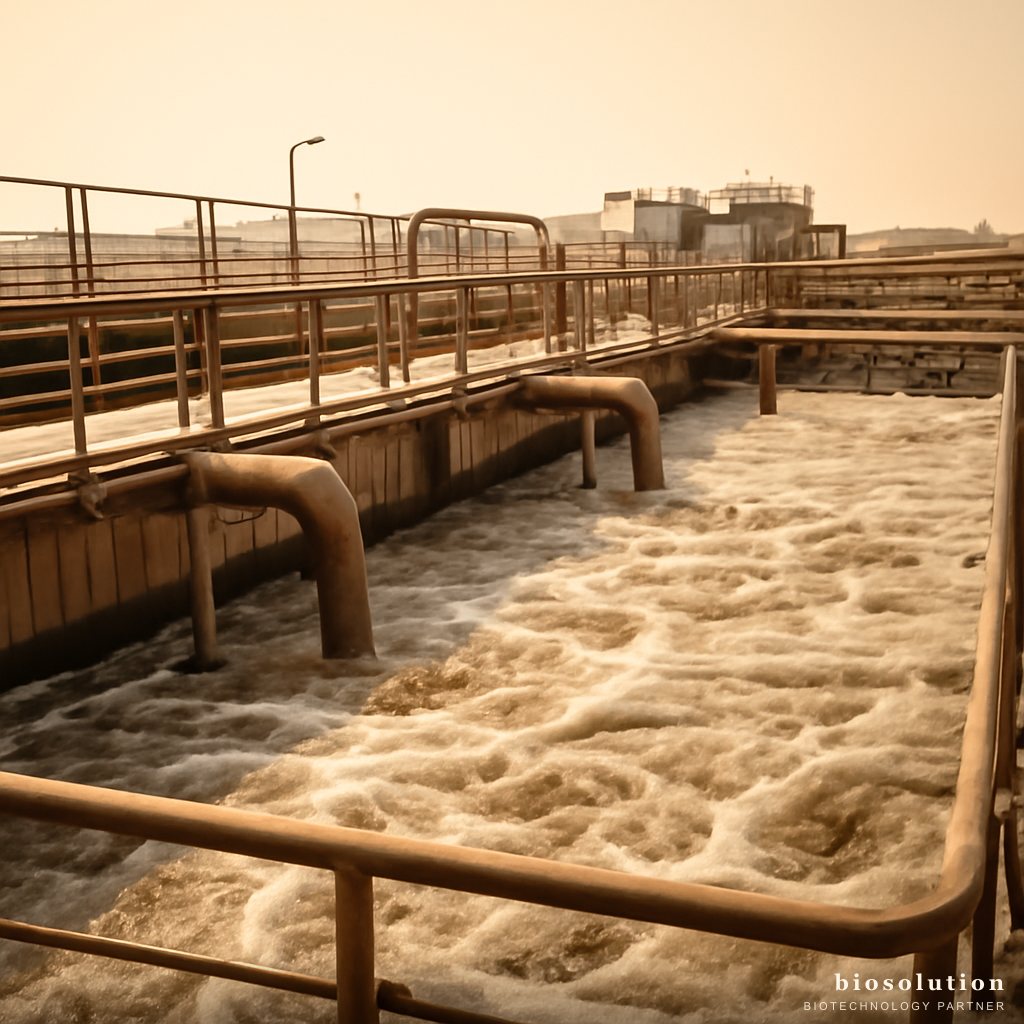
Pungent odors from livestock waste are often the main complaint of farmers and nearby residents. However, did you know that these odors are actually natural alarms signaling high organic pollution loads? Parameters such as BOD (Biochemical Oxygen Demand), COD (Chemical Oxygen Demand), and ammonia concentration (odor) are key indicators for assessing waste management effectiveness. By using a livestock waste odor decomposer based on microbes, we not only eliminate odors but also improve overall environmental quality. This article will technically discuss how microbial decomposers work, which parameters need monitoring, and how products like Organic Waste Decomposer Formula can provide a measurable solution.
Why Is Livestock Waste Odor a Serious Problem?
Livestock waste contains high organic matter, especially undigested proteins and fats. When decomposed anaerobically (without oxygen) by putrefactive bacteria, odorous gases such as ammonia (NH₃), hydrogen sulfide (H₂S), and methane (CH₄) are produced. Besides being offensive to smell, these gases are harmful to livestock and human health. Ammonia, for example, can cause respiratory tract irritation and reduce livestock productivity. From an environmental perspective, waste with high BOD and COD will pollute water bodies if not properly treated. Therefore, livestock waste management is not just about aesthetics but also regulatory compliance and social responsibility.
The Role of Microbial Decomposers in Breaking Down Organic Waste
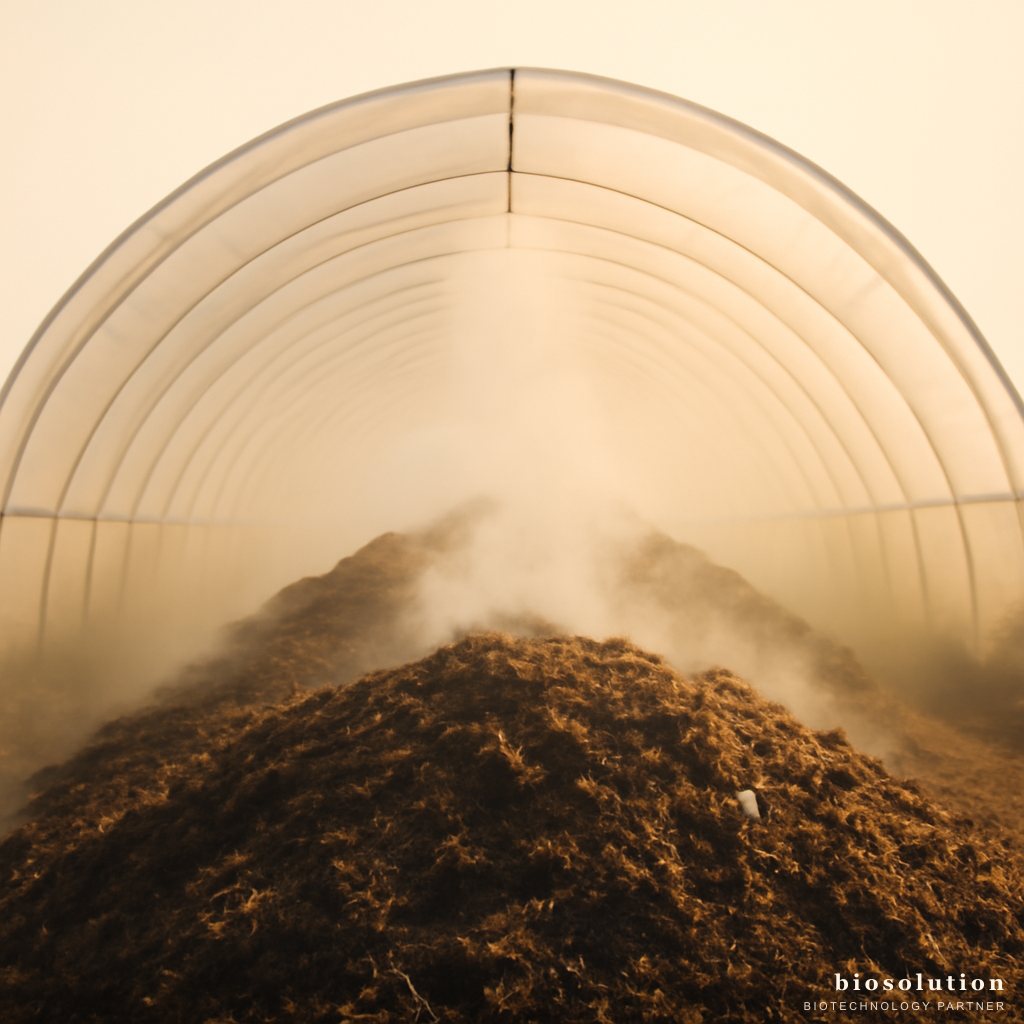
Microbial decomposers are consortia of microorganisms that work synergistically to accelerate the decomposition of organic matter. One leading product in this field is Organic Waste Decomposer Formula from Biosolution, which contains Streptomyces sp. and a consortium of Bacillus + Aspergillus. Streptomyces sp. is known for producing extracellular enzymes such as cellulase, protease, and amylase that break down complex polymers into simple molecules. Meanwhile, Bacillus and Aspergillus are strong decomposers capable of breaking down fats, proteins, and carbohydrates aerobically. With regular application, these microbes convert waste into stable compost, reduce waste volume by 30–50%, and suppress odorous gas production.
Mechanism of BOD and COD Reduction
BOD measures the amount of oxygen required by microorganisms to decompose organic matter in water. The higher the BOD, the more polluted the water. COD measures the total organic matter that can be chemically oxidized. When microbial decomposers are applied, they consume organic matter as an energy source, drastically reducing BOD and COD concentrations. In field studies, application of Bacillus and Aspergillus on livestock waste reduced BOD by up to 60% and COD by up to 70% within 2 weeks. This is because these microbes convert complex organic compounds into CO₂, water, and cell biomass, rather than odorous gases.
Odor Suppression (Ammonia and H₂S)
The characteristic odor of livestock waste mainly comes from ammonia and hydrogen sulfide. Ammonia is produced from the decomposition of urea and proteins by ureolytic bacteria. Microbial decomposers like Streptomyces sp. can inhibit the growth of ureolytic bacteria while converting ammonia into odorless nitrate through nitrification. Meanwhile, certain Bacillus produce enzymes that oxidize H₂S into odorless sulfate. As a result, odor is significantly reduced within 3–5 days after application.
Key Parameters to Monitor After Application
For effective waste management, farmers need to monitor several parameters regularly. Here are three main parameters:
BOD (Biochemical Oxygen Demand)
BOD is measured in mg/L. The Indonesian livestock wastewater quality standard (Minister of Environment Regulation No. 5/2014) sets a maximum BOD of 150 mg/L for livestock wastewater. Before decomposer application, waste BOD can reach 2,000–5,000 mg/L. After regular application, the target is a reduction to below 500 mg/L within 2 weeks. Measurement can be done using a BOD meter or by sending samples to a laboratory.
COD (Chemical Oxygen Demand)
COD is also measured in mg/L. The ideal COD/BOD ratio is below 2:1. If COD is too high, it indicates the presence of difficult-to-decompose organic matter. Microbial decomposers help reduce COD by breaking down complex compounds. The target is a COD reduction of about 70% within 2 weeks after application.
Odor (Ammonia and H₂S)
Subjective odor can be measured using a hedonic scale (0–5) or with gas detector devices. Ammonia is measured in ppm. The threshold limit for ammonia in livestock work environments is 25 ppm. With decomposers, ammonia levels can drop from 50–100 ppm to below 10 ppm within 1 week.
Proper Application of Organic Waste Decomposer Formula
The Organic Waste Decomposer Formula product is very easy to use. The recommended dosage is 1 liter per cubic meter of waste. Application method: spray the solution evenly onto the waste pile or into the drainage channel. The best time is in the afternoon to avoid UV rays that can damage the microbes. Application is sufficient once per pile, but for continuous waste, repeat every 2 weeks. Ensure the waste is moist (50–60% moisture content) for microbial activity. Optimal results are seen after 7–14 days: odor reduces, waste volume shrinks, and texture becomes more crumbly.
Case Study: BOD and COD Reduction in a Dairy Farm
A dairy farm in East Java with a population of 100 cows produces about 2,000 liters of liquid waste per day. Before using the decomposer, waste BOD reached 4,500 mg/L and COD 8,000 mg/L, with a pungent ammonia odor (60 ppm). After regular application of Organic Waste Decomposer Formula for 3 weeks, BOD dropped to 800 mg/L (82% reduction), COD to 1,500 mg/L (81% reduction), and ammonia to 8 ppm. Barn odor was drastically reduced, decreasing complaints from nearby residents. The solid waste produced was also stable and could be directly used as organic fertilizer.
Advantages of Biosolution's Organic Waste Decomposer Formula
This product is specially formulated for livestock waste with a unique content of Streptomyces sp. Its advantages include:
- Multi-enzymatic: Produces enzymes that break down cellulose, protein, and fat.
- Natural antibiotic: Streptomyces produces antimicrobial compounds that suppress pathogens.
- Stable: Resistant to acidic and alkaline conditions, as well as extreme temperatures.
- Economical: Low dosage (1 L/m³) with high effectiveness.
Additionally, this product has been tested on various farms in Indonesia and meets environmental standards. For more information, you can contact the Biosolution technical team via WhatsApp for a free consultation.
Conclusion
Livestock waste odor is not just a comfort issue but an indicator of high organic pollution. By using a livestock waste odor decomposer based on microbes like Organic Waste Decomposer Formula, farmers can significantly reduce BOD, COD, and ammonia. Post-application parameter monitoring is key to ensuring waste management effectiveness. With this scientific approach, farms are not only environmentally friendly but also more productive. If you want to start measurable waste management, do not hesitate to consult our experts.
FAQ
Is the livestock waste odor decomposer safe for livestock?
Yes, the microbes used such as Bacillus and Streptomyces are non-pathogenic strains safe for livestock and humans. This product contains no harmful chemicals, so it is safe if accidentally ingested in small amounts or if it comes into contact with skin. However, avoid direct contact with eyes.
How long does it take for the odor to disappear after application?
Ammonia odor usually reduces significantly within 3–5 days after application. Total odor (including H₂S) will disappear within 7–14 days depending on waste volume and conditions. Regular application every 2 weeks keeps odor low.
Do I need special equipment to measure BOD and COD?
For self-monitoring, farmers can use a portable BOD meter (priced around IDR 2–5 million) or COD test kits. However, for accurate results, it is recommended to send samples to an environmental laboratory every month.
What if the waste is too thick?
Dilute the waste with clean water to 50–60% moisture content before applying the decomposer. Microbes need moisture to move and work. Avoid waterlogging as anaerobic conditions can worsen odor.
Can this product be used for solid waste?
Yes, this product is effective for solid waste such as piled livestock manure. Spray the solution evenly onto the pile, then stir to spread the microbes. Waste volume will reduce by 30–50% within 2 weeks.