Livestock Waste Odor Eliminator: Microbial Decomposer Solution for a Healthier Environment
The pungent odor of livestock waste is often a major complaint from nearby residents and a violation of environmental quality standards. But did you know this problem can be solved naturally? Livestock waste odor eliminators based on microbial decomposers offer an effective solution without harmful chemicals. By utilizing a superior consortium of bacteria and fungi, livestock waste not only reduces odor but also decreases in volume by 30–50% and turns into compost with economic value. This article will thoroughly discuss how it works, its benefits, and compliance with environmental standards.
Why Does Livestock Waste Odor Need to Be Addressed?
Livestock waste such as cow, chicken, or pig manure contains organic compounds that easily decompose. Anaerobic decomposition produces odorous gases like ammonia (NH₃), hydrogen sulfide (H₂S), and mercaptans. This odor not only disturbs comfort but can also cause respiratory problems in livestock and humans. Additionally, unmanaged waste piles contaminate soil and groundwater.
The government, through the Ministry of Environment and Forestry Regulation, sets emission and odor quality standards for livestock activities. The use of microbial decomposers is one of the recommended environmentally friendly technologies to address this issue. By converting the decomposition process to aerobic, decomposer microbes can suppress the production of odorous gases and accelerate composting.
How Microbial Decomposers Work to Reduce Odor
Biological Mechanism of Waste Decomposers
Microbial decomposers work by breaking down complex organic compounds into simple, odorless compounds. Biosolution's Organic Waste Decomposer Formula contains a synergistic microbial consortium:
- Streptomyces sp.: This bacterium produces cellulase, protease, and chitinase enzymes that break down fiber, protein, and chitin. Additionally, it produces natural antibiotic compounds that suppress the growth of odor-causing putrefactive bacteria.
- Consortium of Bacillus + Aspergillus: Bacillus is an aerobic bacterium that rapidly decomposes organic matter, while Aspergillus (a fungus) produces enzymes capable of breaking down lignin and cellulose. This combination accelerates the decomposition process and reduces ammonia gas formation.
Aerobic vs. Anaerobic Decomposition Process
In anaerobic decomposition (without oxygen), methanogenic bacteria produce methane gas and volatile organic acids that cause odor. In contrast, microbial decomposers change the environment to aerobic, so decomposer microbes dominate, oxidizing organic compounds into CO₂ and water. As a result, odor is drastically reduced and the temperature of the waste pile increases, which actually helps kill pathogens.
Application of Organic Waste Decomposer Formula for Livestock
Proper Usage Instructions
For optimal results, follow these steps:
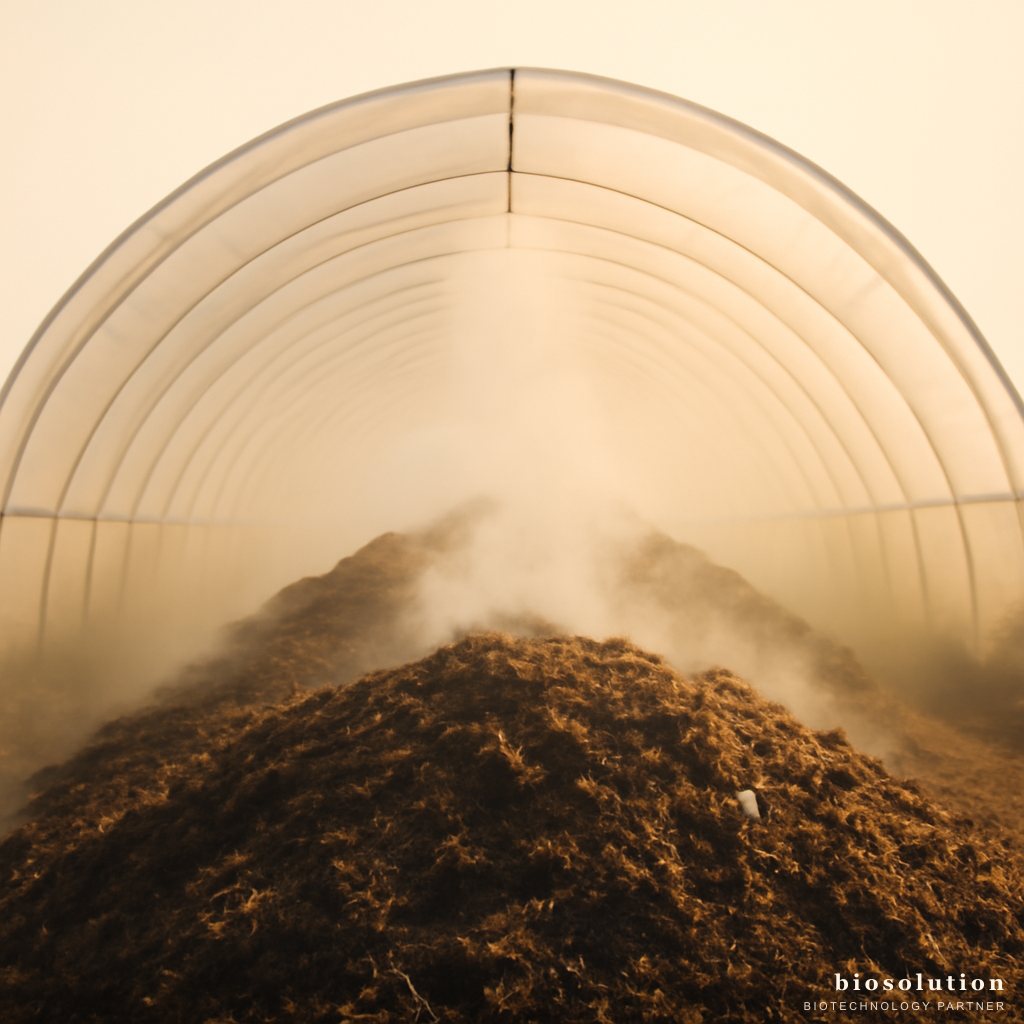
- Preparation: Collect solid waste (manure, feed residues) into a pile 1–1.5 meters high.
- Dosage: Dilute 1 liter of Organic Waste Decomposer Formula in 10 liters of clean water, then spray evenly over every 1 m³ of waste. Apply once per pile.
- Application Time: Apply in the afternoon to avoid UV rays that can damage microbes.
- Maintenance: Turn the pile every 5–7 days to maintain aeration. Within 2–3 weeks, odor will significantly decrease, and compost will be ready in 4–6 weeks.
Case Study: Cattle Farm in East Java
A dairy farmer in Malang complained about the barn odor disturbing neighbors. After using the Organic Waste Decomposer Formula, ammonia odor drastically decreased within 3 days. Waste volume reduced by 40% in 2 weeks, and the resulting compost was used as organic fertilizer for elephant grass fields. "The smell is gone, waste is reduced, and I no longer need to buy fertilizer," he said.
Benefits of Using Microbial Decomposers for Farmers
1. Reduces Odor and Harmful Gas Emissions
By converting decomposition to aerobic, ammonia and H₂S emissions can be suppressed by up to 70%. This creates a healthier barn environment for livestock and workers.
2. Reduces Waste Volume by 30–50%
Efficient decomposition significantly reduces solid waste volume, making storage and transportation easier.
3. Produces High-Quality Compost
Compost from livestock waste is rich in nutrients such as nitrogen, phosphorus, and potassium. Suitable for fertilizing agricultural land or selling as organic fertilizer.
4. Complies with Environmental Quality Standards
Using decomposers helps farmers meet waste quality standards according to regulations, avoiding penalties.
Compliance with Environmental Quality Standards
Applicable Regulations
In Indonesia, emission and odor quality standards for livestock are regulated by Minister of Environment and Forestry Regulation No. P.15/MENLHK/SETJEN/KUM.1/4/2019. The ammonia threshold in the work environment is 25 ppm, while H₂S maximum is 0.02 ppm. With microbial decomposers, the concentration of these gases can be suppressed below the threshold.
Documentation and Reporting
Farmers are advised to periodically measure ammonia levels using a gas detector. Measurement results can serve as evidence of compliance during environmental audits. Biosolution also provides consulting services to help farmers develop waste management plans.
FAQ
1. Are microbial decomposers safe for livestock?
Yes, the microbes used such as Bacillus and Streptomyces are natural, non-pathogenic microbes. In fact, some Bacillus strains are used as livestock probiotics. Ensure the product is registered with the Ministry of Agriculture.
2. How long does it take for the odor to disappear after application?
Typically, odor begins to decrease within 2–3 days and significantly disappears within 1 week. Complete decomposition takes 4–6 weeks depending on temperature and humidity.
3. Can it be used for liquid waste?
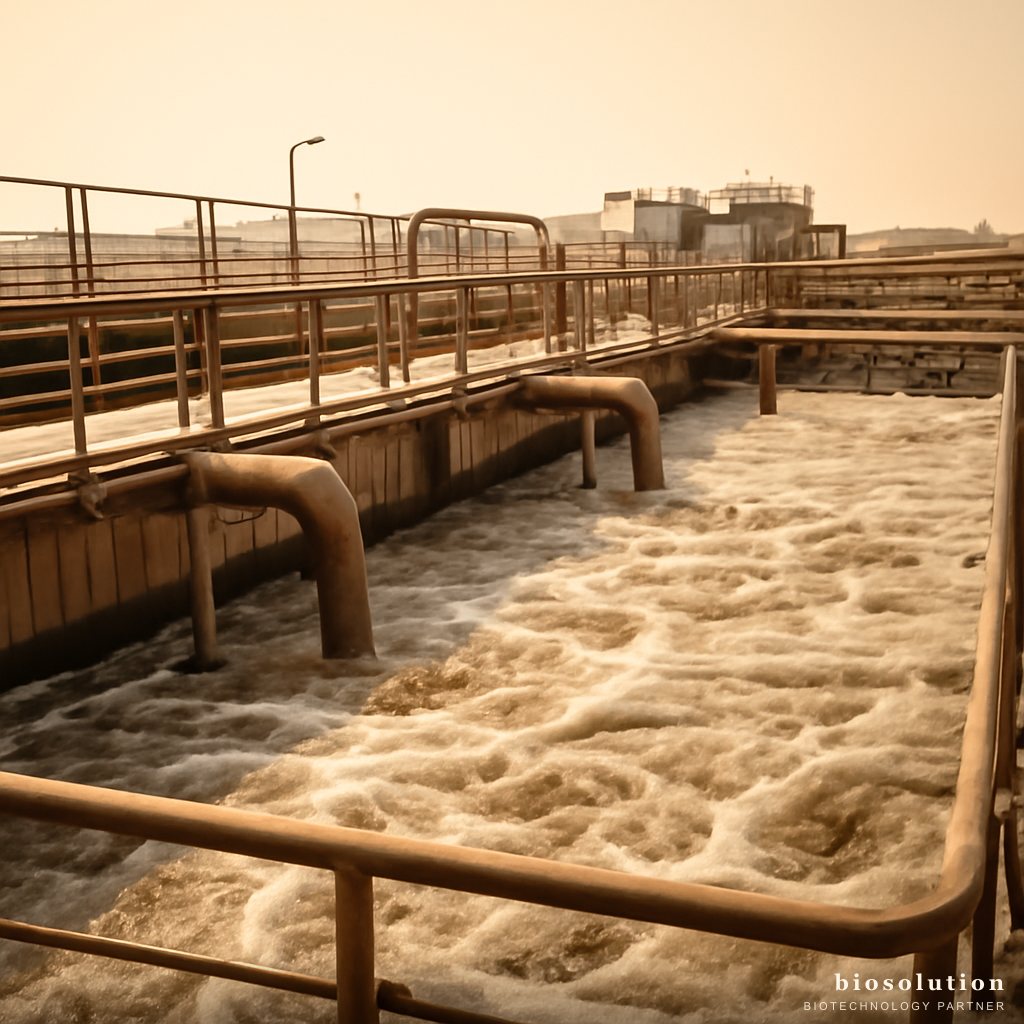
The Organic Waste Decomposer Formula is formulated for solid waste. For liquid waste, use a special product like Liquid Waste BioActivator.
4. How should the product be stored?
Store in a cool, shaded place, away from direct sunlight. Ideal storage temperature is 15–30°C. The product lasts up to 6 months if stored properly.
5. Can the compost from decomposition be used immediately?
Mature compost (black, odorless, crumbly texture) is safe to use directly as a base fertilizer. It is advisable to sift it first to separate un-decomposed materials.
Conclusion
Livestock waste odor eliminators based on microbial decomposers are an effective and environmentally friendly solution to reduce odor, decrease waste volume, and produce compost with economic value. Biosolution's Organic Waste Decomposer Formula, containing Streptomyces sp. and a consortium of Bacillus + Aspergillus, can solve odor problems while helping farmers comply with environmental quality standards. Interested in trying it? Consult your needs via WhatsApp or see product details here.