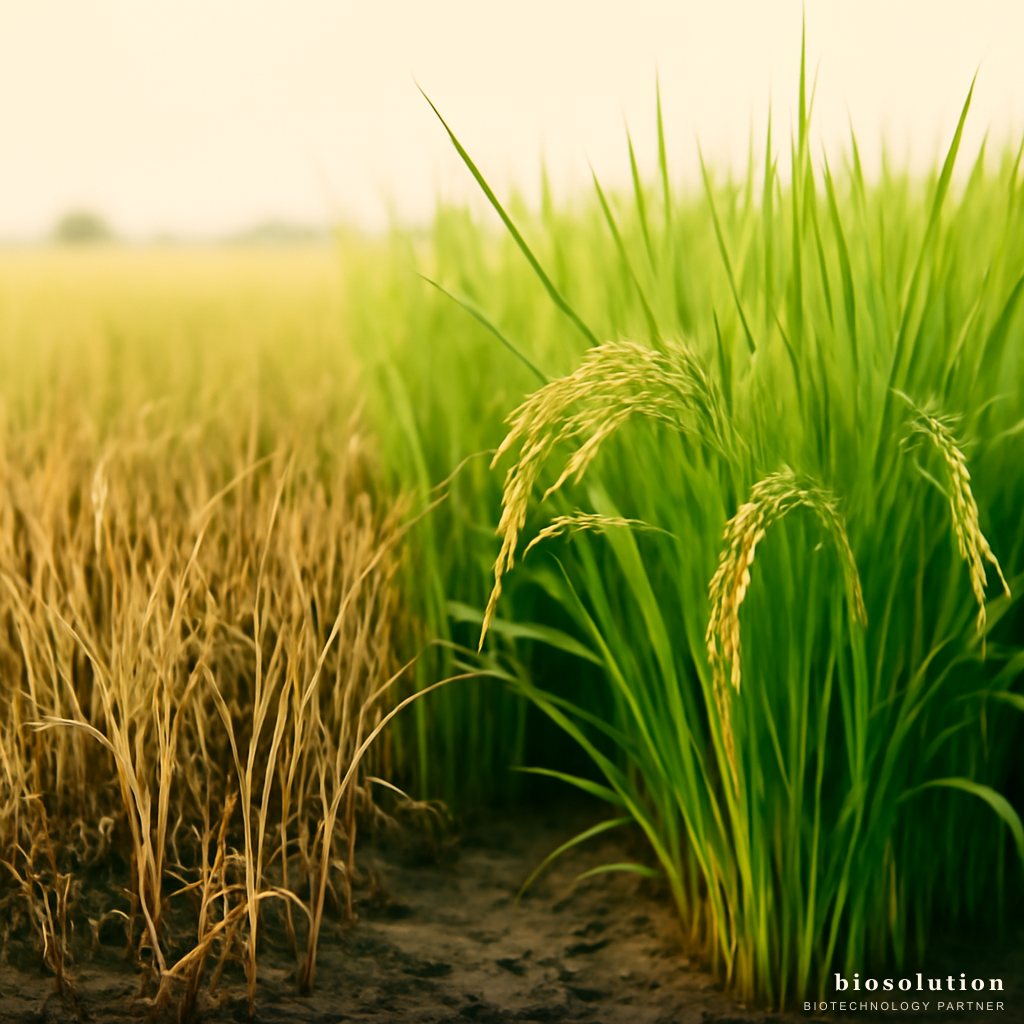
Natural Rice Planthopper Control: 5 Powerful Chemical-Free Formulas
Brown planthopper (Nilaparvata lugens) and green planthopper (Nephotettix virescens) are major pests of rice plants that can cause losses of up to 60% if not controlled. Farmers often rely on chemical insecticides, but their impact triggers pest resistance, resurgence, and damage to the rice field ecosystem. Now, natural rice planthopper control is a smart solution based on biological agents that is not only effective but also safe for the environment and farmers' health. This article reviews 5 natural formulas that have been proven in the field to suppress planthopper populations by up to 80%, based on case studies in West Java.
Why Are Rice Planthoppers Difficult to Control?
Rice planthoppers reproduce very quickly—a single life cycle is only 25-30 days—and have long-distance migration capabilities. Continuous use of chemical insecticides has led to resistance in brown planthoppers in various regions of Indonesia. Additionally, broad-spectrum insecticides kill natural enemies such as spiders, carabid beetles, and egg parasitoids, causing planthopper populations to explode (resurgence). Therefore, a sustainable control approach is needed, namely by utilizing biological agents such as entomopathogenic fungi.
5 Natural Rice Planthopper Control Formulas
1. Formula Based on Beauveria bassiana
Beauveria bassiana is an entomopathogenic fungus capable of infecting adult planthoppers and nymphs. Spores of B. bassiana attach to the planthopper's cuticle, germinate, and penetrate the host's body. Within 3-5 days, the planthopper dies and its body hardens (mummification). Products such as Natural Rice Planthopper Control Formula contain B. bassiana at high concentrations. Application is done by spraying a solution of 3 ml per liter of water onto the rice canopy in the afternoon when humidity is >75%. Field trial results show suppression of brown planthopper populations by up to 80% within 7 days after application.
2. Formula Based on Metarhizium anisopliae
Metarhizium anisopliae works synergistically with B. bassiana. This fungus produces chitinase and protease enzymes that damage the planthopper's cuticle. M. anisopliae also survives longer in soil and litter, making it effective for controlling green planthoppers that often reside at the base of stems. Combining both fungi in one product provides higher efficacy and reduces the risk of resistance. Routine application every 7 days when populations begin to increase keeps the economic threshold low.
3. Neem Oil Formula (Azadirachta indica)
Neem oil contains azadirachtin which acts as an antifeedant and growth inhibitor for planthoppers. Neem extract at 1-2 ml per liter of water sprayed every 10 days effectively reduces planthopper appetite and disrupts metamorphosis. Combine with entomopathogenic fungi for optimal results. Neem is also safe for predators such as spiders and dragonflies.
4. Garlic and Chili Extract Formula
A mixture of garlic (10 cloves) and bird's eye chili (5 pieces) blended and soaked in 1 liter of water for 24 hours produces a planthopper repellent solution. The pungent odor disrupts the planthoppers' sense of smell and prevents them from settling on plants. Although it does not kill directly, this formula is effective as a repellent and safe to apply every 3-4 days.
5. Sex Pheromone and Light Trap Formula
Brown planthopper sex pheromones can be used in traps to monitor populations and reduce mating. Light traps are also effective at attracting adult planthoppers at night, especially during the full moon. This method reduces the need for spray applications and is environmentally friendly.
Case Study: Farmer Success in Subang, West Java
The Saluyu Farmer Group in Subang applied natural rice planthopper control formulas on 5 hectares of land during the 2024 growing season. They used the Natural Rice Planthopper Control Formula containing B. bassiana and M. anisopliae routinely. As a result, brown planthopper populations dropped from an average of 15 individuals per hill to 3 individuals per hill within 2 weeks. Rice production increased by 12% compared to the previous season using chemical insecticides. Pest control costs also decreased by 40% due to less frequent applications and no need to buy expensive insecticides.
Proper Application Methods
To maximize the effectiveness of natural rice planthopper control formulas, consider the following:
- Spray time: Afternoon (3:00-5:00 PM) when temperatures drop and humidity is high.
- Spray volume: 400-500 liters per hectare for vegetative phase rice, 600-800 liters for generative phase.
- Frequency: Every 7 days when planthopper populations begin to increase, or every 14 days for prevention.
- Storage: Store products in a cool, dry place, away from direct sunlight.
Advantages of Natural Rice Planthopper Control
- Safe for natural enemies: Does not kill spiders, beetles, and parasitoids.
- Does not cause resistance: Multi-target mechanism of action in entomopathogenic fungi.
- Environmentally friendly: Leaves no harmful residues on grain or soil.
- Supports sustainable agriculture: Suitable for IPM (Integrated Pest Management) programs.
Conclusion
Natural rice planthopper control based on biological agents such as Beauveria bassiana and Metarhizium anisopliae has proven effective in suppressing brown and green planthopper populations without negative side effects. With proper and consistent application, farmers can reduce dependence on chemical insecticides, maintain the balance of the rice field ecosystem, and increase productivity. For best results, consult our experts via WhatsApp for product recommendations tailored to your field conditions.