Root and Stem Biofungicide: 4 Root & Stem Fungus Control Formulas
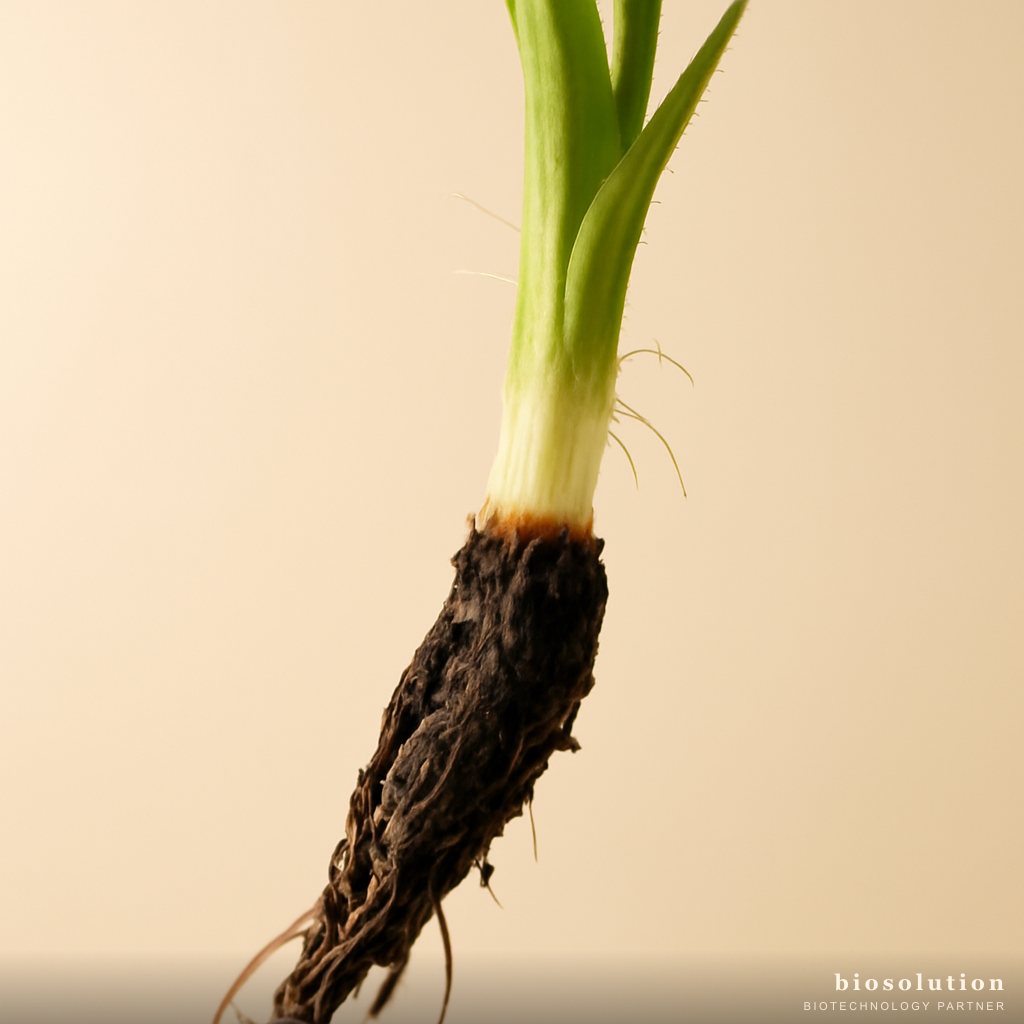
Root and stem base diseases are a scourge for horticultural farmers. Fusarium wilt, root rot, and damping-off often cause crop failure. The use of root and stem biofungicide is an effective and environmentally friendly alternative. This article will thoroughly discuss the application of Biosolution's Root & Stem Fungus Control Formula, including dosage, application timing, and appropriate adjuvant combinations.
Understanding the Root & Stem Fungus Control Formula
The Root & Stem Fungus Control Formula is a biological product containing three superior microorganisms: Trichoderma sp., Pseudomonas fluorescens, and Bacillus subtilis. They work synergistically as mycoparasites, antagonists, and PGPR (Plant Growth-Promoting Rhizobacteria).
- Trichoderma sp.: A mycoparasite that infects and degrades the cell walls of pathogenic fungi such as Fusarium, Rhizoctonia, and Pythium.
- Pseudomonas fluorescens: Produces siderophores that bind iron, depriving pathogens of nutrients. Also produces natural antibiotics.
- Bacillus subtilis: PGPR that stimulates root growth and produces antifungal compounds.
This product is applied via root drench and stem spray. The recommended dosage is 5 ml per liter of water, with a frequency of every 14 days. The best times are during soil preparation and the vegetative phase.
Proper Dosage and Application Methods
For optimal performance of root and stem biofungicide, dosage and application techniques must be considered. Here is a practical guide:
Dosage
- Root drench: Mix 5 ml of Root & Stem Fungus Control Formula per liter of water. Apply 100-200 ml per plant around the root zone.
- Stem spray: Use the same concentration, spray the stem base and lower parts of the plant until wet.
Application Timing
- During soil preparation: First application during land preparation, 7 days before planting. Microbes will colonize the rhizosphere and establish initial protection.
- Vegetative phase: Continue every 14 days from 7-14 days after planting until just before the generative phase.
- At early symptoms: If symptoms appear, application can be accelerated to every 7 days.
Adjuvant Combinations
To increase effectiveness, add adjuvants such as:
- Wetting agent: Helps spread the solution on leaf and stem surfaces.
- Sticker: Improves adhesion to plant surfaces, especially during spray application.
- Organic matter: Mature compost or manure can be mixed during drenching to provide food for microbes.
Mechanism of Action of the Root & Stem Fungus Control Formula
The three microorganisms in this formula work through several mechanisms:
- Mycoparasitism: Trichoderma sp. attaches to pathogen hyphae, secretes chitinase and glucanase enzymes that damage the pathogen's cell wall, then absorbs its contents.
- Antibiosis: Pseudomonas fluorescens and Bacillus subtilis produce antibiotic compounds (e.g., 2,4-diacetylphloroglucinol, iturin) that inhibit pathogen growth.
- Competition: Antagonistic microbes compete with pathogens for nutrients and space in the rhizosphere.
- Induced Plant Resistance: Bacillus subtilis stimulates plants to produce defense compounds such as phytoalexins and peroxidase enzymes.
- Siderophores: Pseudomonas fluorescens binds iron, making it unavailable to pathogens.
Advantages of Biofungicide over Chemical Fungicides
Root and stem biofungicide offers several advantages:
- Environmentally friendly: Leaves no harmful residues, safe for humans and animals.
- Does not cause resistance: Multiple mechanisms of action make it difficult for pathogens to develop resistance.
- Improves soil health: Beneficial microbes improve soil structure and nutrient cycling.
- Growth stimulation: Besides controlling disease, PGPR microbes stimulate root and shoot growth.
Compare with chemical fungicides that often kill non-target microbes and cause pollution. With biofungicide, farmers can reduce chemical use by up to 50%.
Case Study: Application on Chili Plants
A chili farmer in West Java tested the Root & Stem Fungus Control Formula on land previously affected by Fusarium wilt. He applied a root drench of 5 ml/L water during soil preparation and 14 days after planting. Results:
- Disease intensity of wilt decreased from 30% to 5%.
- Productivity increased by 20% compared to chemical fungicides.
- Soil microbial population increased positively, indicated by darker soil color.
Tips for Maximizing Results
- Regular application: Do not miss the 14-day schedule to maintain high microbial populations.
- Avoid mixing with chemical fungicides: Leave at least 3-4 days if chemical use is unavoidable.
- Pay attention to water pH: Neutral pH (6-7) is optimal for microbes. Water that is too acidic or alkaline can reduce viability.
- Store in a shaded place: Biological products are sensitive to direct sunlight and high temperatures.
For optimal results, combine with Soil Pathogenic Fungus Control Formula which has complementary microbial composition.
Conclusion
Root and stem biofungicide such as Biosolution's Root & Stem Fungus Control Formula is a smart solution for controlling diseases while increasing productivity. With a dosage of 5 ml/L water, drench and spray application every 14 days, and addition of adjuvants, farmers can achieve optimal results. Not only controlling pathogens, this product also improves soil and plant health holistically.
Interested in trying? Consult your needs with the Biosolution team via WhatsApp to get recommendations suitable for your land conditions.