Root and Stem Biofungicide: Biological Control Strategy with Formula for Controlling Root & Stem Fungi
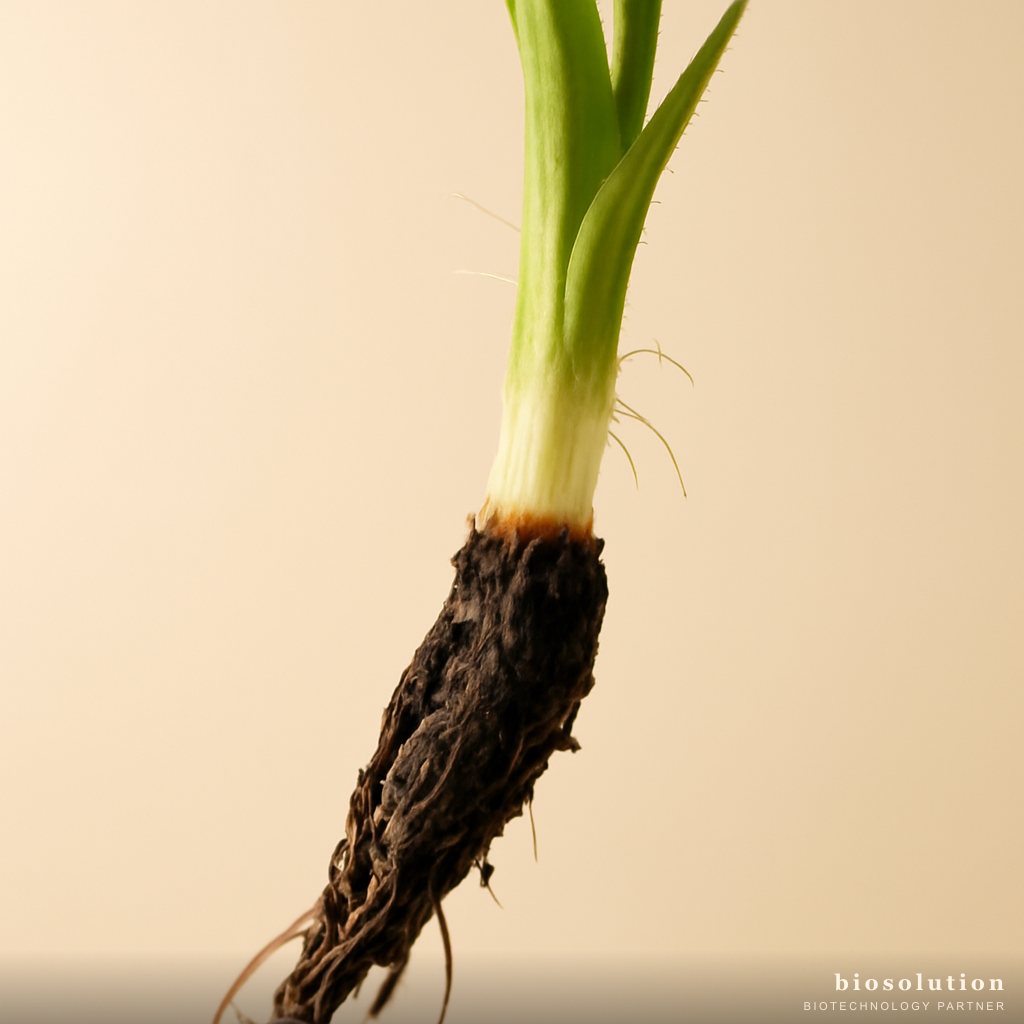
Root and stem base diseases pose a serious threat to the productivity of horticultural crops. Soilborne pathogens such as Fusarium oxysporum, Rhizoctonia solani, and Sclerotium rolfsii can persist in the soil for long periods and attack the root system and stem base, causing wilting, rot, and even plant death. Continuous use of chemical fungicides is not only expensive but also leads to pathogen resistance and environmental pollution. Therefore, root and stem biofungicide has become an effective and environmentally friendly control alternative. Biosolution presents the Formula for Controlling Root & Stem Fungi, a biological product specifically formulated to protect plants from root and stem base pathogen attacks.
Why is Root and Stem Biofungicide Important for Horticulture?
Horticultural crops such as chili, tomato, shallot, melon, and leafy vegetables are highly susceptible to soilborne pathogen attacks. Early symptoms are often invisible because the attack occurs on roots below the soil surface. Farmers only realize when plants have wilted or stems have rotted. Losses from these diseases can reach 30-50% or even more if not properly controlled.
Biological control using antagonistic microorganisms is the primary choice in sustainable agriculture systems. Root and stem biofungicide works through the principles of competition, antibiosis, mycoparasitism, and induced plant resistance. Unlike chemical fungicides that are directly lethal, biofungicides build soil microbial balance, making it difficult for pathogens to thrive. Additionally, biofungicides are safe for humans, animals, and the environment, and leave no harmful residues on harvested products.
Formula for Controlling Root & Stem Fungi: Composition and Mechanism of Action
This root and stem biofungicide product from Biosolution contains three superior microbes that work synergistically:
Trichoderma sp. – Superior Mycoparasite
Trichoderma sp. is an antagonistic fungus capable of directly parasitizing pathogen hyphae. Lytic enzymes such as chitinase, glucanase, and protease produced by Trichoderma degrade the pathogen's cell wall. Additionally, this fungus produces antibiotics such as gliotoxin and viridin that inhibit the growth of Fusarium, Rhizoctonia, and Pythium. Trichoderma also stimulates root growth and enhances nutrient availability.
Pseudomonas fluorescens – Producer of Siderophores and Antibiotics
This bacterium produces siderophores (pyoverdine) that bind iron ions in the rhizosphere, thereby depriving pathogens of iron for their growth. P. fluorescens also produces antibiotics such as 2,4-diacetylphloroglucinol (DAPG) and phenazine that suppress soilborne pathogens. Furthermore, this bacterium can induce systemic resistance in plants (ISR), making plants more prepared to fight infection.
Bacillus subtilis – PGPR and Versatile Biocontrol Agent
Bacillus subtilis is a Gram-positive bacterium that produces spores, making it resistant to extreme environmental conditions. This bacterium produces various antimicrobial compounds such as surfactin, iturin, and fengycin that are effective against pathogenic fungi. As a Plant Growth Promoting Rhizobacteria (PGPR), B. subtilis also produces phytohormones (auxins, gibberellins) that stimulate root and shoot growth. With these three microbes, the Formula for Controlling Root & Stem Fungi provides dual protection: directly through antagonism and indirectly through enhanced plant resistance.
Proper Application Methods for Root and Stem Biofungicide
To be effective, application of root and stem biofungicide must be done with the right method and timing. Here is the application guide for the Formula for Controlling Root & Stem Fungi:
Dosage and Method
- Dosage: 5 ml per liter of water (equivalent to 50 ml per 10-liter tank)
- Method: Root drench and stem spray
- Frequency: Every 14 days
- Timing: Start during soil preparation (as soil treatment) and continue during the vegetative phase (after planting until 4-6 weeks)
Application Steps
- Soil Treatment: Mix the biofungicide solution with irrigation water on beds or planting holes before planting. Dosage: 200-300 ml per plant.
- Root Drench: Pour the solution around the stem base until the root zone is moistened. Do this in the morning or evening.
- Stem Spray: Spray the solution on the stem base up to 10-15 cm from the soil surface, especially if there are early symptoms of stem rot.
Success Tips
- Use clean water (not water contaminated with chlorine or pesticides)
- Apply when it is not raining or under scorching heat
- Avoid using chemical fungicides simultaneously; allow a minimum interval of 3-5 days
- Repeat every 2 weeks to maintain high microbial populations
Advantages of Root and Stem Biofungicide Compared to Chemical Fungicides
| Aspect | Biofungicide | Chemical Fungicide |
|---|---|---|
| Mechanism | Antagonism, competition, ISR | Direct toxicity |
| Spectrum | Broad (certain fungi & bacteria) | Specific |
| Resistance | Low (multi-mechanism) | High |
| Residue | None | Present (polluting) |
| Soil health | Enhances biodiversity | Reduces non-target microbes |
| Safety | Safe for humans & environment | Toxic |
Using root and stem biofungicide also reduces long-term production costs because it does not require repeated applications at high doses. Additionally, plants are healthier and harvest quality is better.
Case Study: Effectiveness of Biofungicide on Chili Plants
In chili plants, Fusarium wilt (Fusarium oxysporum) and stem base rot (Sclerotium rolfsii) often cause crop failure. Field trials in West Java showed that application of the Formula for Controlling Root & Stem Fungi from the start of planting suppressed disease intensity by up to 70% compared to untreated controls. Plants treated with biofungicide showed denser root growth, sturdier stems, and a 25% increase in fruit production.
This success is due to the synergy of the three microbes forming a protective biofilm around the roots, making it difficult for pathogens to penetrate. Additionally, Bacillus subtilis and Pseudomonas fluorescens produce volatile compounds that inhibit the germination of Sclerotium sclerotia.
Integration of Biofungicide in Integrated Disease Management
Root and stem biofungicide is not a standalone solution but part of an Integrated Disease Management (IDM) strategy. Here are the recommended steps:
- Field sanitation: Clean up infected plant residues, practice good soil tillage.
- Crop rotation: Plant non-host crops (e.g., corn) to break pathogen cycles.
- Use of resistant varieties: Choose varieties with resistance to specific diseases.
- Biopesticide application: Use Formula for Controlling Root & Stem Fungi regularly.
- Balanced fertilization: Avoid excess nitrogen that triggers disease.
- Proper irrigation: Avoid excessive wetness; ensure good drainage.
With an integrated approach, the effectiveness of biofungicide can be maximized and the risk of failure minimized.
Conclusion
Root and stem biofungicide is a smart solution for controlling soilborne pathogens in horticultural crops. Biosolution's Formula for Controlling Root & Stem Fungi, containing Trichoderma sp., Pseudomonas fluorescens, and Bacillus subtilis, provides effective protection while stimulating plant growth. Easy application (root drench and stem spray) makes this product practical for farmers. By switching to biofungicide, you not only protect plants but also maintain soil health and the environment.
For more information or free consultation on root and stem biofungicide application, contact the Biosolution team via WhatsApp. Also check out our related product: Formula for Controlling Soilborne Pathogenic Fungi for additional protection.