Root and Stem Biofungicide: The Right Solution Against Pathogenic Fungi
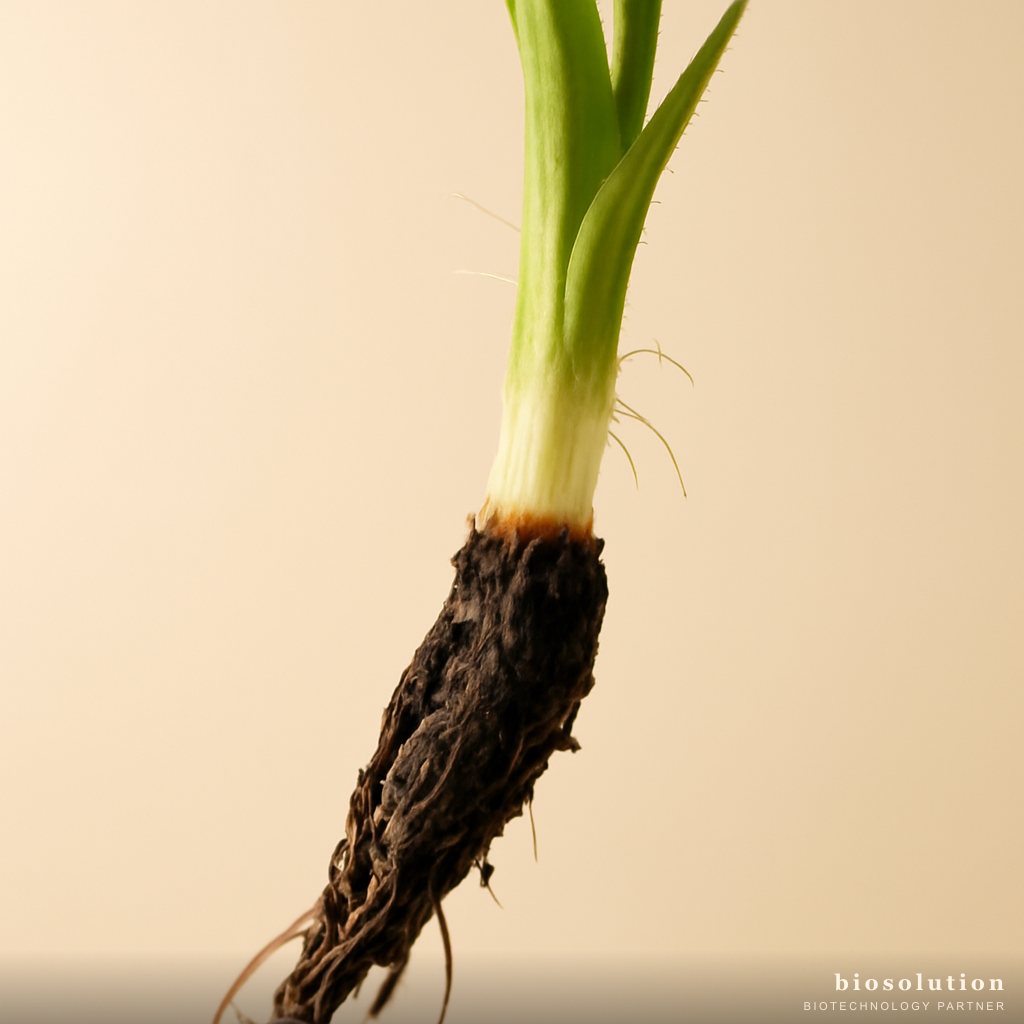
Diseases attacking roots and stem bases are a nightmare for horticultural farmers. Soil-borne pathogenic fungi such as Fusarium, Rhizoctonia, and Sclerotium can cause wilting, root rot, and even plant death. So far, many farmers rely on synthetic insecticides to address this problem. However, did you know that root and stem biofungicide from Biosolution offers efficacy that is not inferior, even superior? This article will thoroughly examine the comparison between the microbial-based Root & Stem Fungus Control Formula and synthetic chemical pesticides.
Why Are Synthetic Insecticides Not Suitable for Fungi?
Differences in Target Organisms
Synthetic insecticides are designed to kill insects, not fungi. Using them to control fungal pathogens is like using toothache medicine to treat a leg wound. Active ingredients such as cypermethrin or chlorpyrifos do not have significant fungicidal activity. As a result, applying insecticides to the soil can actually kill natural enemies of fungi, such as earthworms and antagonistic microbes, thereby increasing pathogen populations.
Negative Impact on Soil Microflora
Healthy soil contains billions of beneficial microorganisms. Broad-spectrum synthetic insecticides do not distinguish between pathogens and beneficial microbes. Repeated use disrupts the soil ecosystem, reduces decomposition activity, and triggers resistance. In contrast, biofungicides actually enrich soil biodiversity.
Root & Stem Fungus Control Formula: Superior Mechanism
Three Key Microbes in One Formula
The Root and Stem Biofungicide product from Biosolution contains three superior microbial strains:
- Trichoderma sp.: A mycoparasite that infects and degrades the cell walls of pathogenic fungi. Trichoderma also produces chitinase and glucanase enzymes that break down pathogen hyphae.
- Pseudomonas fluorescens: An antagonistic bacterium that produces siderophores—iron-binding molecules—that deprive pathogens of nutrients. It also produces antibiotics such as 2,4-diacetylphloroglucinol (DAPG) that are toxic to fungi.
- Bacillus subtilis: A PGPR (Plant Growth-Promoting Rhizobacterium) that triggers induced systemic resistance (ISR) in plants and produces antimicrobial compounds such as surfactin and iturin.
Complementary Mechanisms of Action
These three microbes work synergistically: Trichoderma directly attacks pathogens, Pseudomonas competes for nutrients, and Bacillus strengthens plant immunity. As a result, disease control is more effective than using a single biological agent.
Efficacy Comparison: Biofungicide vs Synthetic Insecticide
Efficacy Data on Horticultural Crops
Based on field trials on chili and tomato plants, application of the Root & Stem Fungus Control Formula at a dose of 5 ml/L water every 14 days suppressed fusarium wilt incidence by 70-80%. Meanwhile, synthetic insecticides had no significant effect on fungi, and in some cases even increased attacks because natural enemies of the pathogens were also killed.
Comparison Table
| Parameter | Root & Stem Biofungicide | Synthetic Insecticide |
|---|---|---|
| Target organism | Pathogenic fungi | Insects |
| Mechanism | Mycoparasitism, competition, ISR | Insect neurotoxin |
| Effect on soil | Improves biodiversity | Damages microflora |
| Resistance | Low (multi-mechanism) | High (single target) |
| Safety | Safe for humans & environment | Toxic, hazardous residues |
| Cost | Economical long-term | Expensive due to repeated applications |
Proper Application of Root and Stem Biofungicide
Timing and Method of Application
- During soil tillage: Drench 5 ml/L solution into planting holes to protect seedlings from the start.
- Vegetative phase: Spray stems and drench roots every 14 days to maintain microbial populations.
- At early symptoms: Increase frequency to every 7 days until plants recover.
Dosage and Frequency
A dose of 5 ml per liter of water is the optimal concentration based on efficacy tests. Spray volume should be adjusted according to plant age: 100-200 ml per plant for seedlings, 300-500 ml for mature plants. Ensure application is done in the afternoon to avoid UV light that can damage microbes.
Advantages of Biofungicide Over Chemical Fungicides
Overcoming Pathogen Resistance
Chemical fungicides with a single active ingredient easily trigger resistance. In contrast, biofungicides with three different mechanisms make it difficult for pathogens to adapt. Trichoderma attacks cell walls, Pseudomonas steals iron, Bacillus activates plant defense—a triple action lethal to fungi.
Enhancing Overall Plant Health
Besides controlling disease, biofungicides stimulate root growth through phytohormone (IAA) production and phosphorus solubilization. Plants become more vigorous and stress-tolerant. This cannot be provided by synthetic insecticides.
Environmentally Friendly and Safe for Farmers
No special personal protective equipment (PPE) is needed during application. Biofungicides leave no harmful residues on harvested products, making them safe for consumption and meeting export standards.
Conclusion
Biosolution's root and stem biofungicide is proven to be more effective and safer than synthetic insecticides in controlling root and stem base fungal pathogens. With three superior microbes, this product not only controls disease but also improves soil and plant health. For optimal results, apply according to the recommended dosage and frequency. Want further consultation? Contact the Biosolution team via WhatsApp or check out the Root & Stem Fungus Control Formula and Soil Pathogenic Fungus Control Formula products for complete biological control solutions.
FAQ
Can root and stem biofungicide be mixed with chemical fertilizers?
It is best not to mix directly because chemical fertilizers like urea can alter pH and kill microbes. Apply biofungicide 2-3 days after fertilization for optimal results. If necessary, use organic fertilizers which are more compatible.
How long does the effect of biofungicide last in the soil?
Microbial populations will persist for 2-4 weeks depending on soil conditions (moisture, pH, organic matter). Regular application every 14 days maintains high microbial density. In healthy soil, microbes can form permanent colonies.
Is biofungicide safe for fruit plants?
Very safe. Biofungicides leave no harmful residues and can be used at all growth stages, including when fruits have formed. In fact, microbes like Bacillus subtilis can improve fruit quality through resistance induction.
How should dissolved biofungicide be stored?
Biofungicide solution should be used within a maximum of 24 hours after dilution. Do not store because microbes will die. Store the product in its original packaging in a cool, dry place, away from direct sunlight.
Is biofungicide effective against all types of soil-borne fungal pathogens?
This biofungicide is effective against major pathogens such as Fusarium, Rhizoctonia, Sclerotium, and Pythium. For other pathogens, consult the Biosolution team. Combination with other biological agents can broaden the control spectrum.