TPST Manages Organic Waste: Integrating Bioremediation with Existing WWTP Systems
Managing organic waste at Integrated Waste Processing Facilities (TPST) is often a major challenge due to large volumes, strong odors, and potential environmental pollution. To address this, integrating bioremediation with existing Wastewater Treatment Plant (WWTP) systems offers an effective solution. By utilizing microbial decomposers such as those in Biosolution's Organic Waste Decomposer Formula, TPST can manage organic waste more efficiently and environmentally friendly. This article will discuss in depth how this integration works and its benefits for TPST managers.
Why TPST Needs to Integrate Bioremediation with WWTP?
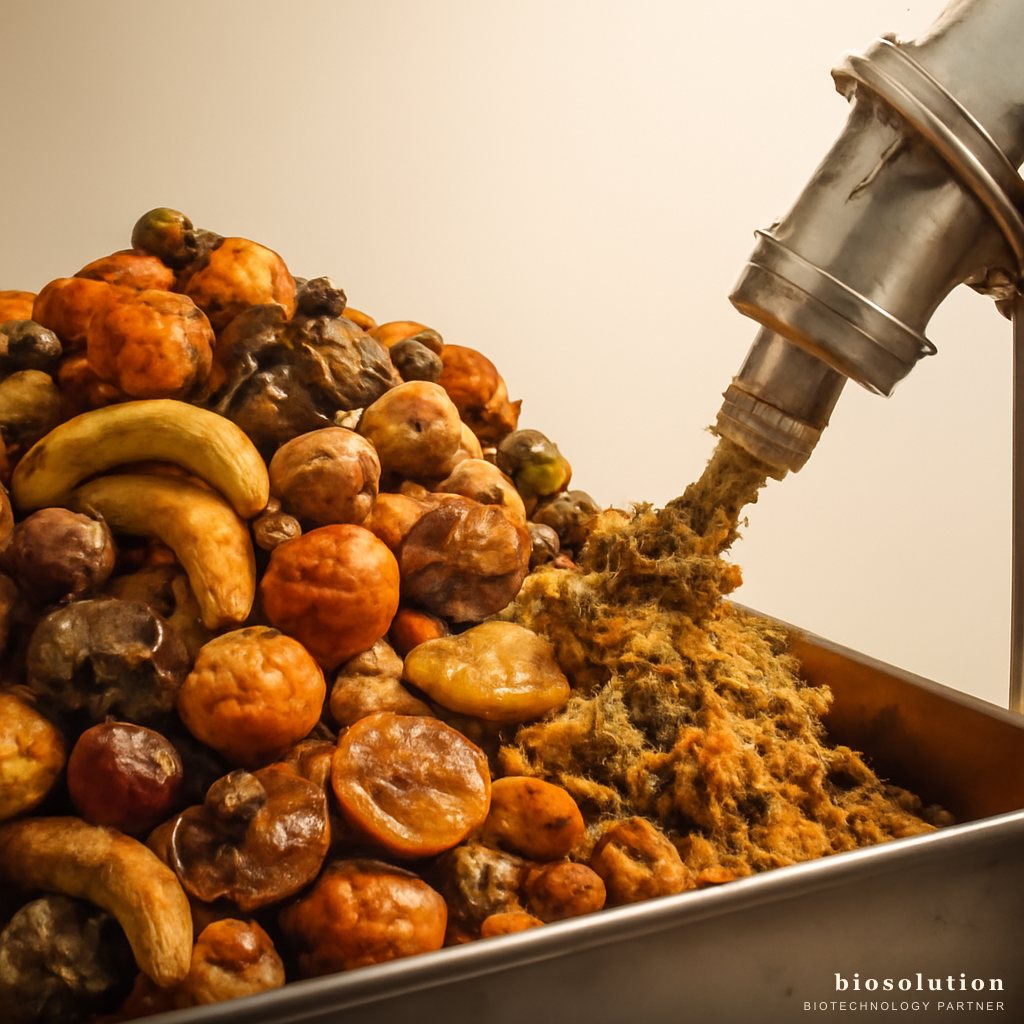
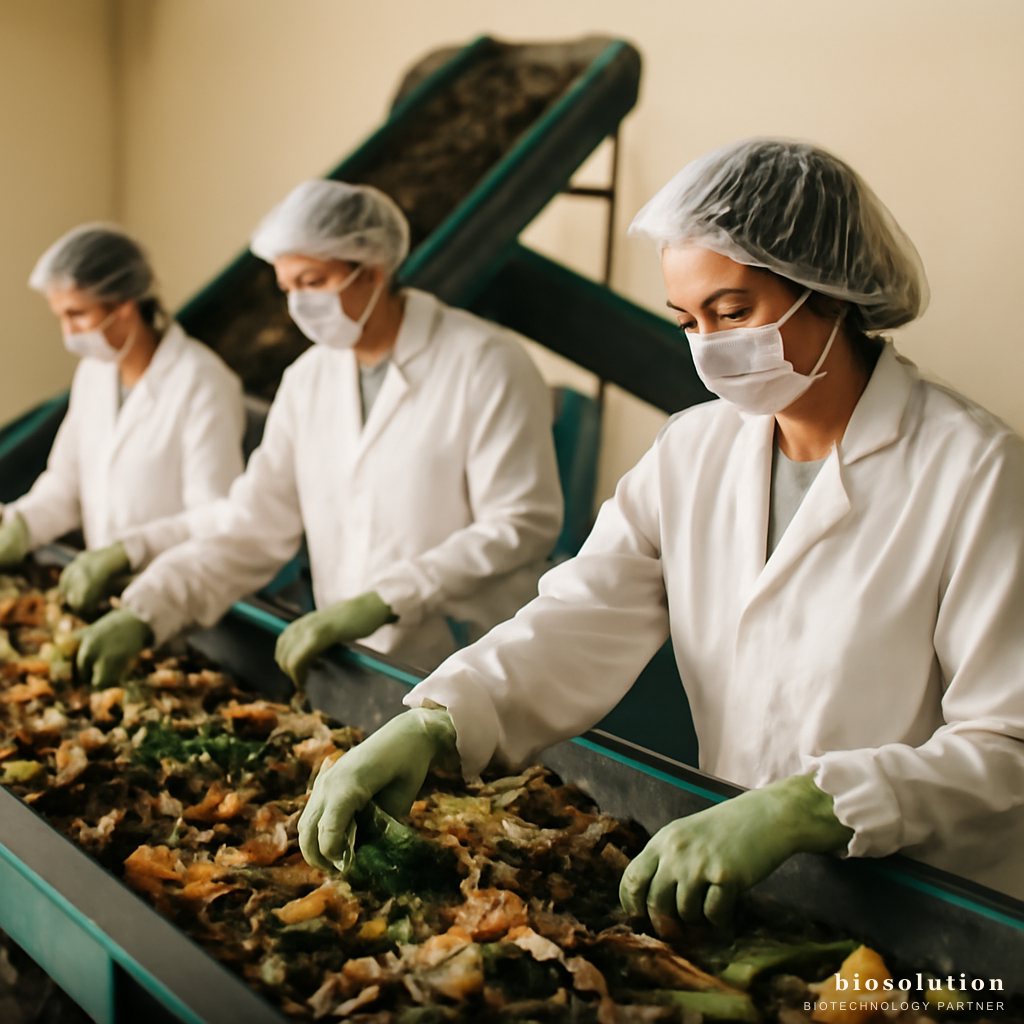
TPSTs generally produce two main types of waste: solid organic waste and leachate containing dissolved organic matter. Existing WWTPs are typically designed to treat leachate physically and chemically, but they are often suboptimal in degrading complex organic compounds. This is where bioremediation plays a crucial role. By adding a consortium of decomposer microbes into the WWTP system, biological decomposition can be accelerated, making the treated leachate safer for discharge into the environment. Additionally, solid organic waste can also be processed into quality compost with the help of the same microbes.
Advantages of Integrating Bioremediation and WWTP
This integration offers several advantages, including:
- Increased treatment efficiency: Decomposer microbes can break down organic compounds that are difficult to degrade through physical-chemical processes.
- Odor reduction: Microbes such as Streptomyces sp. produce enzymes and natural antibiotics that suppress the growth of odor-causing putrefactive bacteria.
- Waste volume reduction: Decomposition by Bacillus and Aspergillus can reduce organic waste volume by 30-50%.
- Value-added end products: WWTP sludge and residual organic waste can be turned into ready-to-use compost.
Mechanism of Organic Waste Decomposer Formula in TPST Systems
The Organic Waste Decomposer Formula contains a consortium of superior microbes that work synergistically. Here is their mechanism of action:
Streptomyces sp.: Producer of Enzymes and Natural Antibiotics
Streptomyces sp. is a gram-positive bacterium known for producing various hydrolytic enzymes such as cellulase, protease, and amylase. These enzymes break down cellulose, protein, and starch found in organic waste. Additionally, Streptomyces sp. produces antibiotic compounds that inhibit the growth of pathogenic microbes, thereby reducing disease risk and unpleasant odors.
Consortium of Bacillus and Aspergillus: Rapid Decomposition
The consortium of Bacillus (bacteria) and Aspergillus (fungi) works together to degrade organic matter. Bacillus produces extracellular enzymes that break down large molecules into smaller ones, while Aspergillus decomposes more complex compounds like lignin. This combination accelerates the decomposition process and produces mature compost in a shorter time.
Integration with Existing WWTP
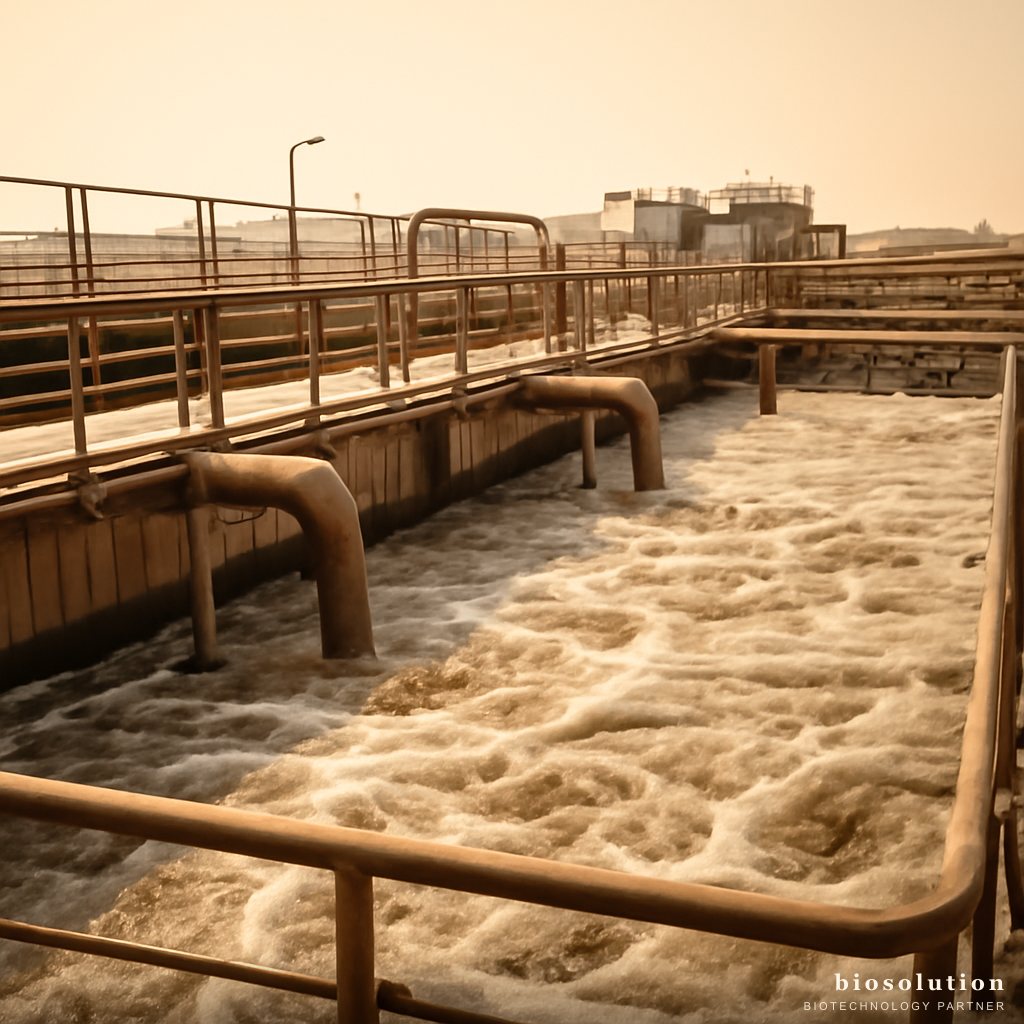
In the WWTP system, the Organic Waste Decomposer Formula can be added directly to the aeration tank or settling tank. The microbes will colonize the surface of filter media or remain suspended in water, depending on the WWTP design. With the right dosage, microbes can significantly reduce Biochemical Oxygen Demand (BOD) and Chemical Oxygen Demand (COD), ensuring leachate quality meets environmental standards.
Steps for Implementing Bioremediation at TPST
1. Preparation and Evaluation of Existing Systems
The first step is to audit the existing WWTP system. Identify points where microbes can be added, such as aeration tanks, sedimentation tanks, or inlet channels. Ensure that pH (6-8), temperature (25-35°C), and oxygen availability support the growth of aerobic microbes.
2. Dosage and Application Frequency
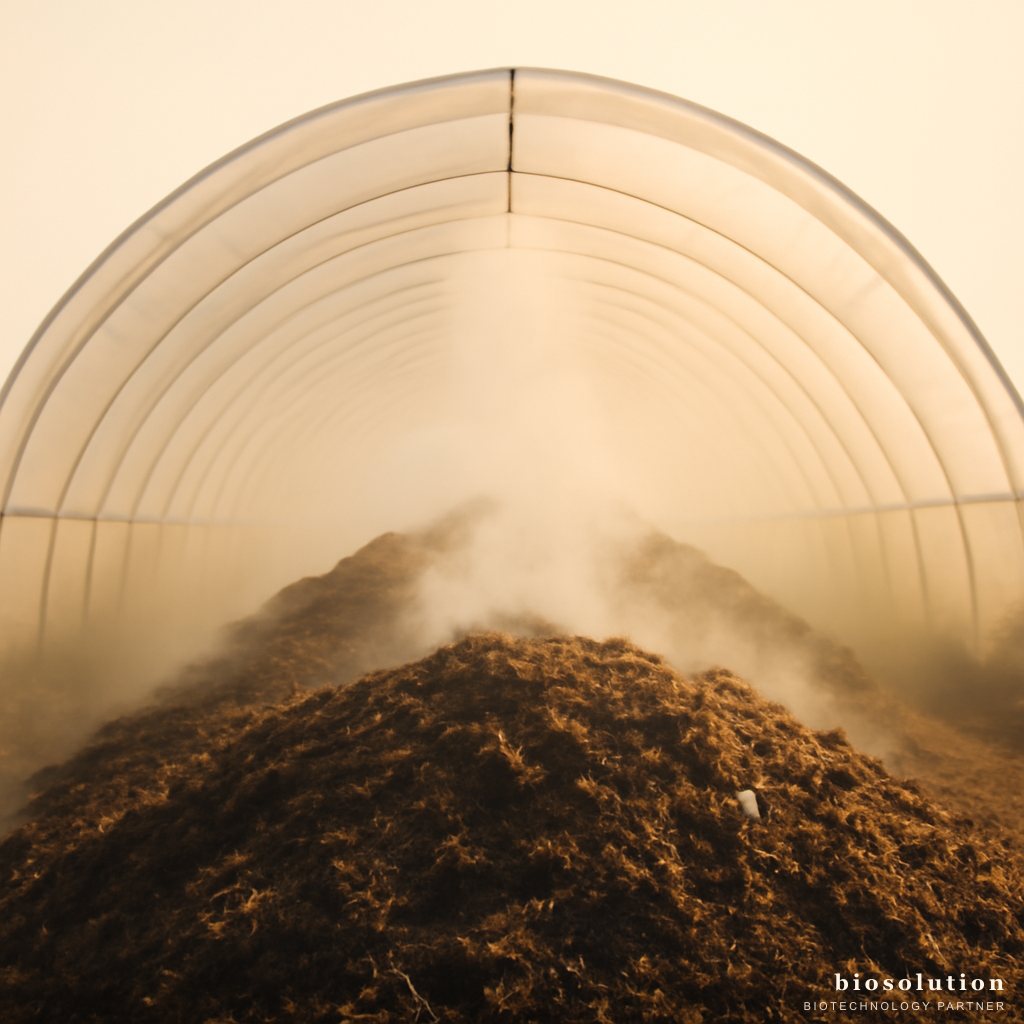
For solid organic waste, the recommended dosage is 1 L of Organic Waste Decomposer Formula per m³ of waste. Application is done once per pile, preferably in the afternoon to avoid UV rays that can damage microbes. Spray the solution evenly over the organic waste pile.
For WWTP, the initial dosage can be adjusted based on leachate volume. As a guideline, add 0.5-1 L per 10 m³ of leachate weekly for the first 4 weeks, then evaluate water quality.
3. Monitoring and Evaluation
Monitor parameters such as odor, waste volume, compost pile temperature, and leachate quality (BOD, COD, pH). Odor reduction is usually noticeable within 1-2 weeks, while significant waste volume reduction occurs after 4-6 weeks. Compost is ready for harvest in 6-8 weeks depending on the material type.
Benefits Experienced by TPST Managers
Implementing bioremediation with the Organic Waste Decomposer Formula provides tangible benefits for TPST managers:
- Significant odor reduction: A more comfortable working environment and no disturbance to nearby residents.
- 30-50% waste volume reduction: Saves landfill space and transportation costs.
- Ready-to-use compost: The resulting compost is nutrient-rich and can be sold or used for greening.
- Compliance with environmental standards: Treated leachate meets quality standards, avoiding penalties.
Case Study: Successful Integration at a Village TPST
For example, a TPST in West Java integrated the Organic Waste Decomposer Formula into an existing WWTP that only used a settling tank and sand filter. After routine application for 2 months, leachate parameters showed a decrease in BOD from 250 mg/L to 45 mg/L (below the standard of 100 mg/L). The previously strong odor almost disappeared, and solid organic waste volume was reduced by 40%. The compost produced was used for the village nursery.
Challenges and Solutions in Implementation
Some challenges that may arise include:
- Leachate pH too acidic or alkaline: Neutralize with lime or mild acid before microbial application.
- Pile temperature too high (>60°C): Mesophilic microbes may die. Turn the pile to lower the temperature.
- Insufficient oxygen: Ensure adequate aeration in WWTP; for piles, turn them periodically.
Conclusion
Integrating bioremediation with existing WWTP systems is an effective strategy for managing organic waste at TPST. By using Biosolution's Organic Waste Decomposer Formula, TPST can reduce odor, waste volume, and produce quality compost. Proper implementation steps and routine monitoring will ensure optimal results. For more information or consultation, contact the Biosolution team via WhatsApp.
FAQ
Is the Organic Waste Decomposer Formula safe for the environment?
Yes, this product contains natural microbes that are not pathogenic. Streptomyces sp., Bacillus, and Aspergillus are microbes commonly found in soil and have been widely used in bioremediation. This product does not contain harmful chemicals and is safe for humans, animals, and plants.
How long does it take to see results?
Odor changes are usually noticeable within 1-2 weeks after application. Significant waste volume reduction begins to appear after 4-6 weeks. Mature compost can be harvested in 6-8 weeks depending on the material type and environmental conditions.
Can this product be used for all types of organic waste?
This formula is effective for organic waste such as food scraps, leaves, grass, animal manure, and agricultural waste. However, for waste containing toxic chemicals or heavy metals, it is recommended to consult with Biosolution's technical team first.
How should I store an opened product?
Store in a cool, shaded place, away from direct sunlight. Close the container tightly after use. Unopened product can last up to 12 months at room temperature.
Is periodic reapplication necessary?
For organic waste piles, one application per pile is sufficient. For WWTP, reapplication may be needed every 2-4 weeks depending on organic load. Monitoring leachate quality will determine the appropriate frequency.