TPST Organic Waste Management: Chemical vs Bioremediation Cost Comparison
Managing organic waste at Integrated Waste Management Sites (TPST) is often challenging due to high operational costs, especially when relying on chemicals. An increasingly popular alternative is bioremediation using decomposing microbes. This article compares the costs of chemical treatment versus bioremediation using Biosolution's Organic Waste Decomposer Formula, which contains Streptomyces sp. and a consortium of Bacillus + Aspergillus. With this approach, TPST organic waste management can reduce costs while meeting environmental standards.
Why Do TPST Organic Waste Management Costs Often Balloon?
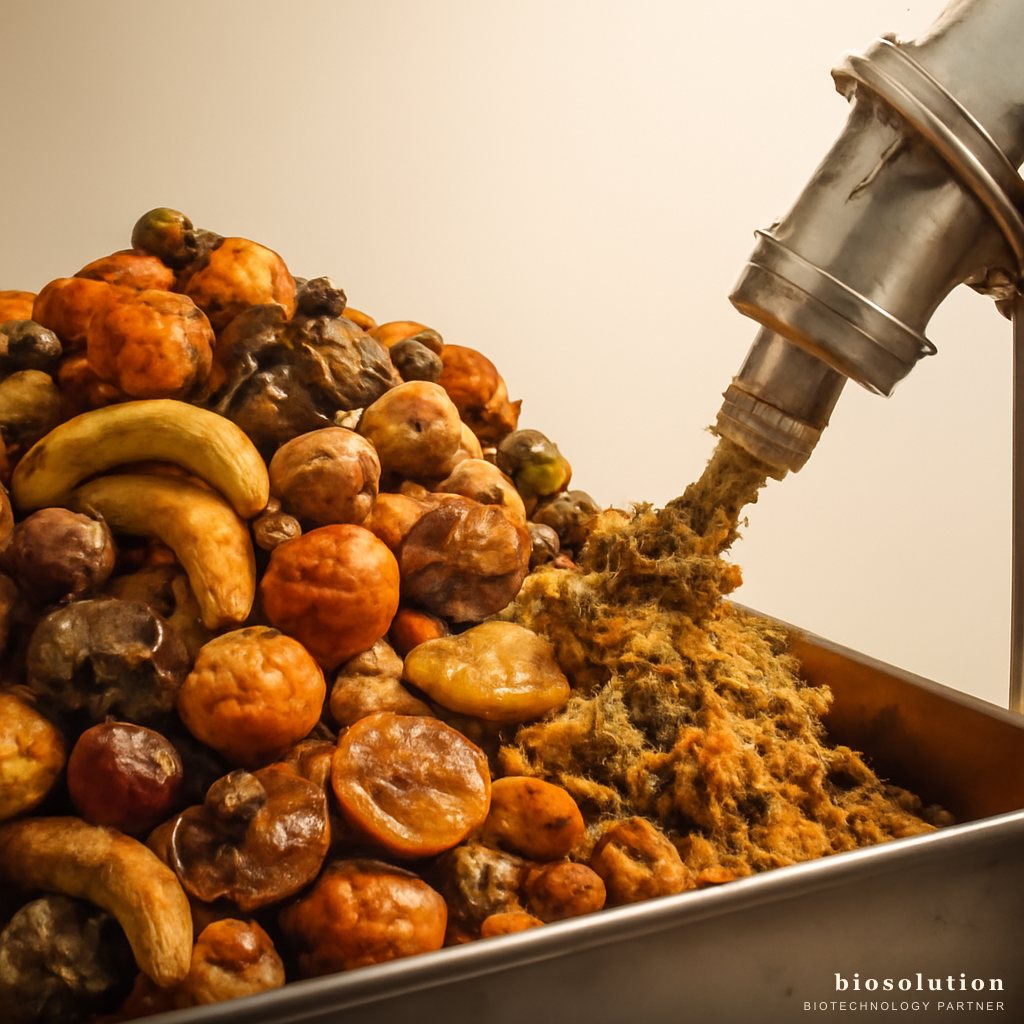
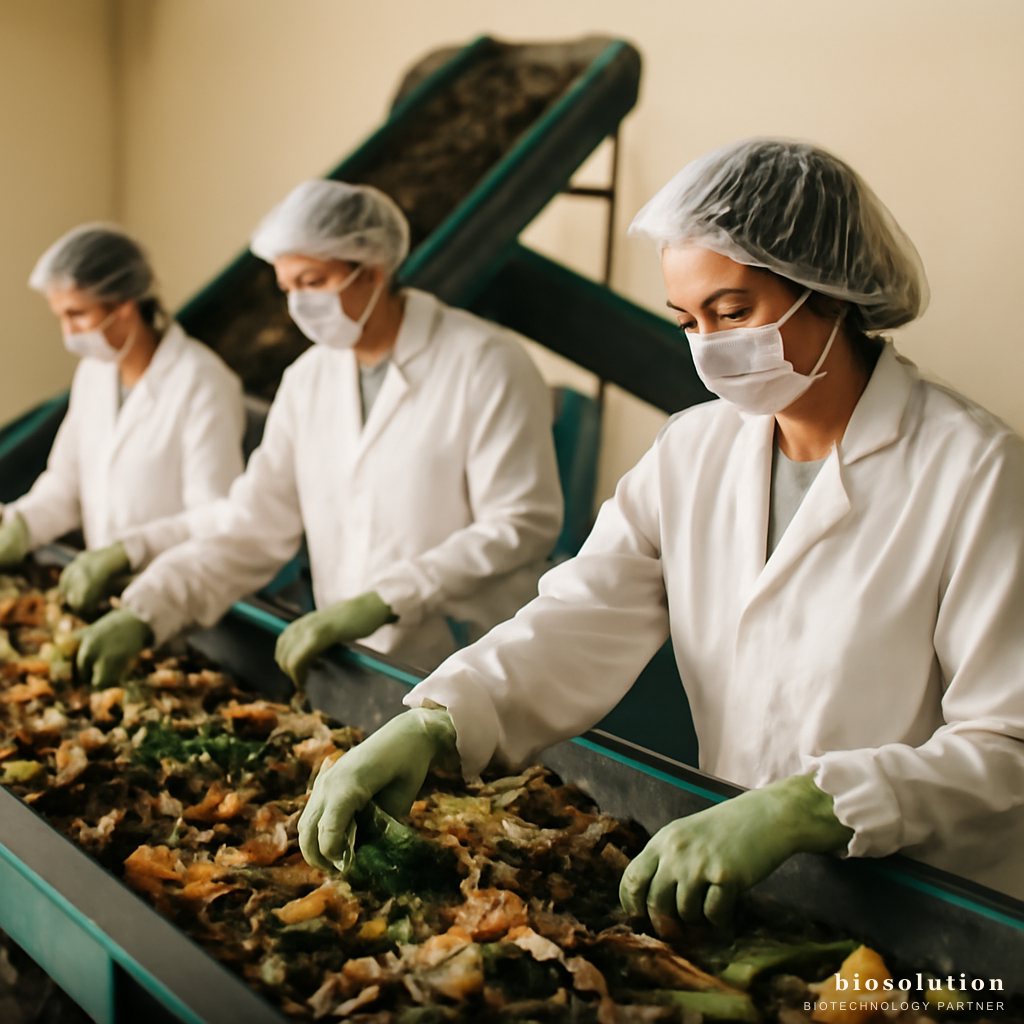
TPST organic waste management faces several factors that cause costs to balloon. First, the high volume of organic waste requires rapid decomposition to prevent odors and leachate. Second, the use of chemicals such as chlorine, synthetic enzymes, or coagulants is often expensive and requires repeated application. Third, handling leachate and methane gas emissions requires additional infrastructure. According to data from the Ministry of Environment and Forestry (KLHK), 30-50% of TPST operational costs are used for organic waste processing. Without the right technology, these costs continue to rise as waste volume increases.
Chemical Treatment Costs: Expensive and Not Environmentally Friendly
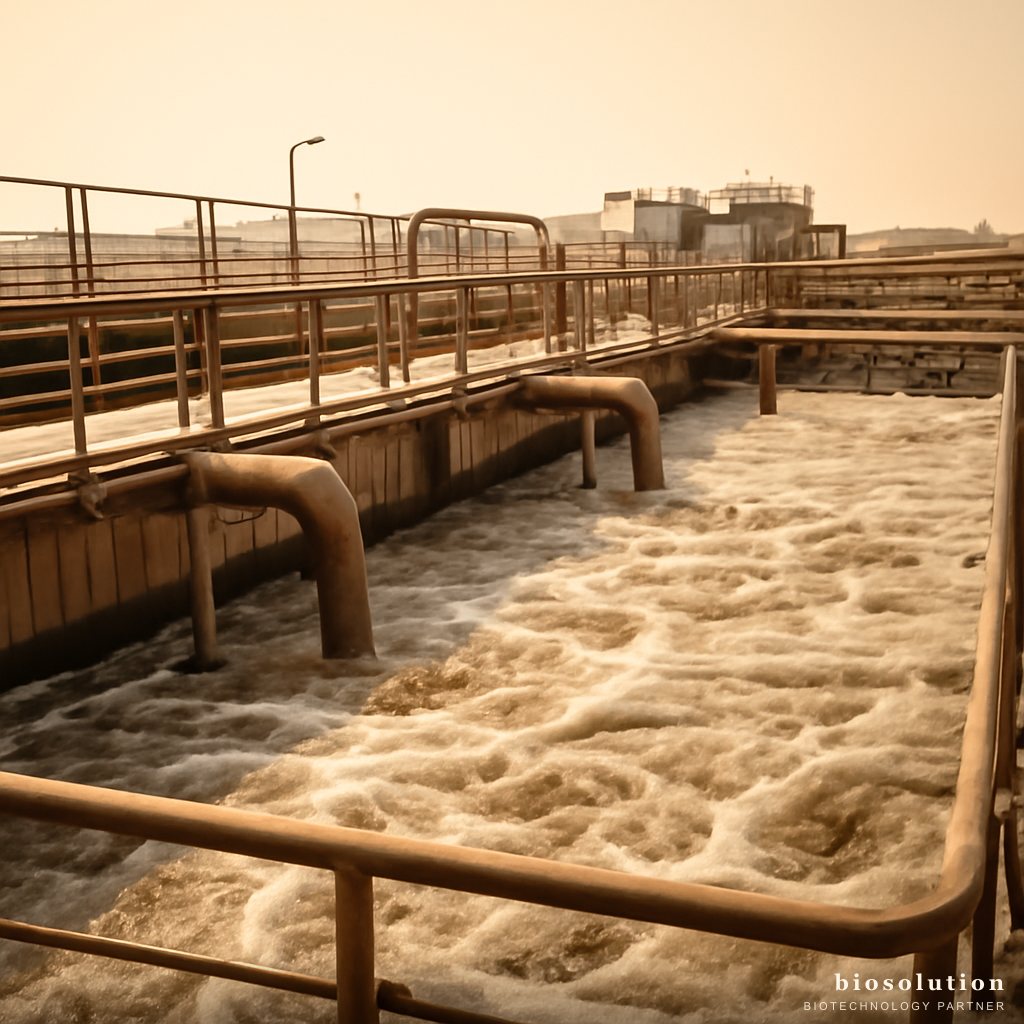
Chemical treatment for organic waste generally involves the use of oxidizing chemicals (such as chlorine), coagulants (alum), or synthetic enzymes. The cost per liter of chemicals ranges from IDR 50,000 to IDR 150,000, with a dosage of 0.5–2 liters per cubic meter of waste. For a TPST with a capacity of 10 m³ of waste per day, daily costs can reach IDR 1–3 million. Not to mention the cost of handling chemical residues that can potentially contaminate soil and water. Additionally, chemicals do not accelerate natural decomposition, so waste volume does not significantly decrease. As a result, TPST must incur additional costs for transporting residues to landfills.
Bioremediation with Organic Waste Decomposer Formula: A Cost-Effective and Efficient Solution
Bioremediation using Biosolution's Organic Waste Decomposer Formula offers a cheaper alternative. This product contains Streptomyces sp. which produces enzymes and natural antibiotics, as well as a consortium of Bacillus and Aspergillus that accelerate decomposition. The application dosage is only 1 liter per cubic meter of waste, with a single application per pile. The product price is around IDR 100,000–200,000 per liter, so the cost per cubic meter of waste is only IDR 100,000–200,000. With a capacity of 10 m³ per day, daily costs are only IDR 1–2 million, saving 30-40% compared to chemicals. More importantly, bioremediation reduces waste volume by 30-50% and produces compost that can be sold, adding to TPST revenue.
Mechanism of Action of Organic Waste Decomposer Formula
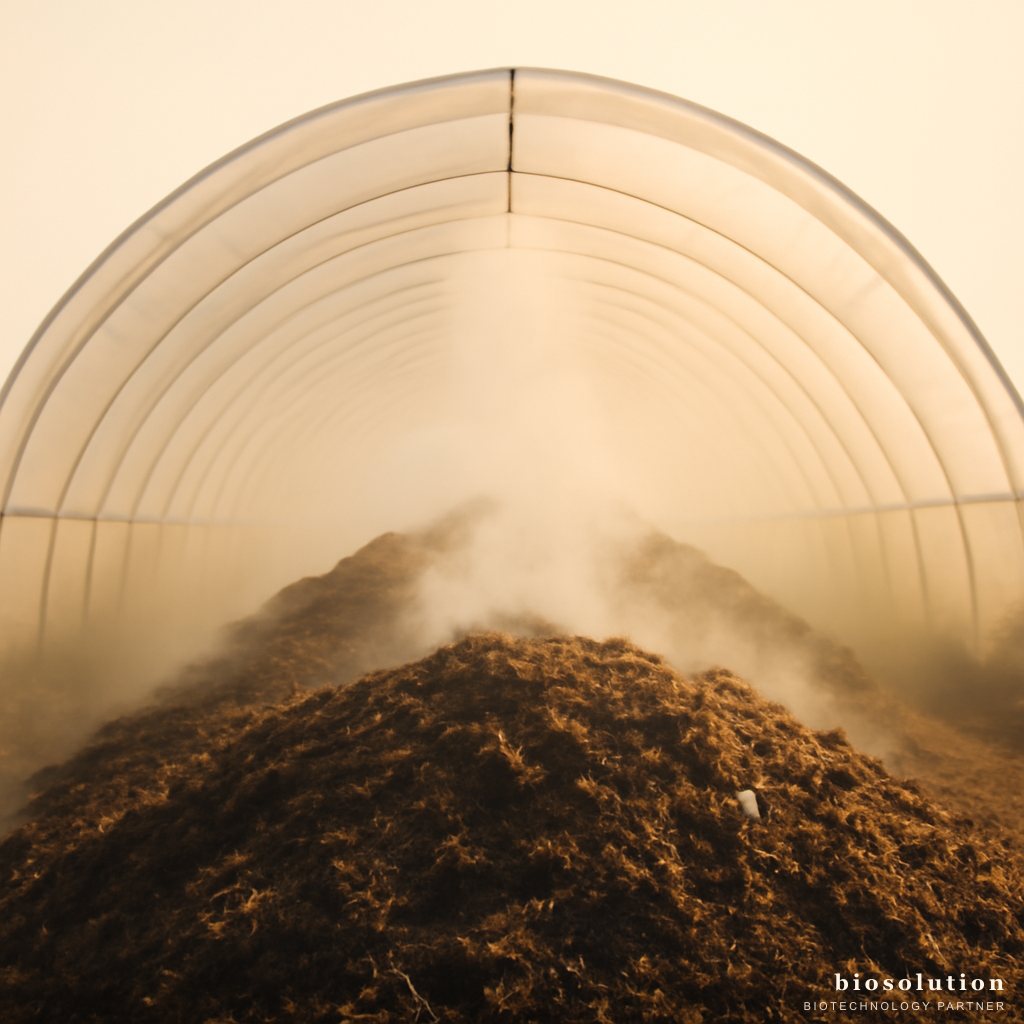
Streptomyces sp. produces cellulase, xylanase, and protease enzymes that break down complex compounds in organic waste. Meanwhile, Bacillus and Aspergillus work synergistically to break down fats, proteins, and carbohydrates into simple compounds. This process is aerobic, so it does not produce odorous methane gas. Within 2-3 weeks, organic waste turns into mature compost ready for use. Another advantage: odors are significantly reduced from the first day of application.
Direct Cost Comparison: Chemical vs Bioremediation
Here is a direct cost comparison for a TPST with a capacity of 10 m³ of organic waste per day (30 days of operation):
| Cost Component | Chemical Treatment | Bioremediation (Decomposer Formula) |
|---|---|---|
| Treatment material | IDR 45–90 million/month | IDR 30–60 million/month |
| Labor | IDR 15 million/month | IDR 10 million/month (fewer applications) |
| Residue management | IDR 10 million/month | IDR 0 (residue becomes compost) |
| Total per month | IDR 70–115 million | IDR 40–70 million |
The cost difference reaches IDR 30–45 million per month, or about 40% savings. This does not include the potential sale of compost, which can generate IDR 5–10 million per month.
Additional Benefits of Bioremediation for TPST
Besides lower costs, bioremediation provides added value:
- Economically valuable byproduct: Compost from decomposition can be sold to farmers or used for TPST greening.
- Meets environmental standards: The bioremediation process produces leachate that is more stable and odorless, meeting quality standards.
- Easy to apply: Simply spray the Organic Waste Decomposer Formula solution onto the waste pile in the afternoon, without the need for special equipment.
- Reduces greenhouse gas emissions: Aerobic decomposition produces CO₂, not the more harmful methane (CH₄).
Case Study: TPST in West Java
A TPST in West Java with a capacity of 15 m³/day switched from chemical treatment to bioremediation using the Organic Waste Decomposer Formula. Results: operational costs dropped by 35%, odors disappeared within 3 days, and compost production reached 2 tons/month sold at IDR 500/kg. Within 6 months, the TPST reached break-even and began to profit. This data shows that TPST organic waste management with bioremediation is not only cost-effective but also sustainable.
How to Start Bioremediation at Your TPST
The first step is to calculate the daily volume of organic waste. Then, prepare the Organic Waste Decomposer Formula solution at a dosage of 1 L per m³ of waste. Apply in the afternoon by spraying evenly onto the waste pile. Allow the decomposition process to proceed for 2-3 weeks, occasionally turning the pile. The compost is ready for use when it turns dark brown and odorless. For optimal results, ensure the pile's moisture is around 50-60%.
Conclusion
TPST organic waste management with bioremediation using Biosolution's Organic Waste Decomposer Formula offers up to 40% lower costs compared to chemical treatment. Besides being economical, this method is environmentally friendly, reduces waste volume, and produces compost with economic value. With easy application dosage and fast results, bioremediation is the right choice for TPST managers and villages aiming for efficiency and sustainability. Interested in trying? Consult your TPST needs with the Biosolution team via WhatsApp for a special offer.
FAQ
What is the dosage of Organic Waste Decomposer Formula for TPST?
The recommended dosage is 1 liter of Organic Waste Decomposer Formula per cubic meter of organic waste. Simply dilute with water (1:10) and spray evenly onto the waste pile. One application is sufficient for one decomposition cycle.
Is bioremediation cheaper than chemicals?
Yes, bioremediation costs can be 30-40% lower. For example, for a TPST of 10 m³/day, chemical costs are around IDR 45–90 million/month, while bioremediation is only IDR 30–60 million/month. Additionally, there are no costs for managing chemical residues.
How long does the decomposition process take with Organic Waste Decomposer Formula?
The decomposition process takes about 2-3 weeks depending on the type of waste and environmental conditions. In the first week, odors are significantly reduced. Mature compost is ready for harvest when it turns dark and has a crumbly texture.
Is this product safe for the environment?
Very safe. The Organic Waste Decomposer Formula contains natural microbes (Streptomyces sp., Bacillus, Aspergillus) that are non-pathogenic. This product has been tested and meets environmental standards. It leaves no harmful residues.
How can I get the Organic Waste Decomposer Formula?
You can purchase this product directly from Biosolution. Visit the product page Organic Waste Decomposer Formula for more information or contact us via WhatsApp for a free consultation.