Trichoderma Biofungicide: Plantation Case Study Successfully Suppresses Soil-Borne Pathogens by Up to 80%
Diseases caused by soil-borne pathogens such as Fusarium oxysporum, Phytophthora spp., and Sclerotium rolfsii are a scourge for commercial farmers. Yield losses due to these pathogens can reach 30–50% in vegetable and plantation crops. However, a tomato plantation in East Java successfully reduced disease severity by 80% in just one growing season using Trichoderma biofungicide based on Trichoderma harzianum and Gliocladium virens. How did they do it? Read the full review.
Mechanism of Trichoderma Biofungicide in Suppressing Soil Pathogens
Trichoderma biofungicide works through several synergistic mechanisms that make it effective against soil-borne pathogens. Here is the scientific explanation:
Mycoparasitism: Trichoderma harzianum 'Eats' Pathogens
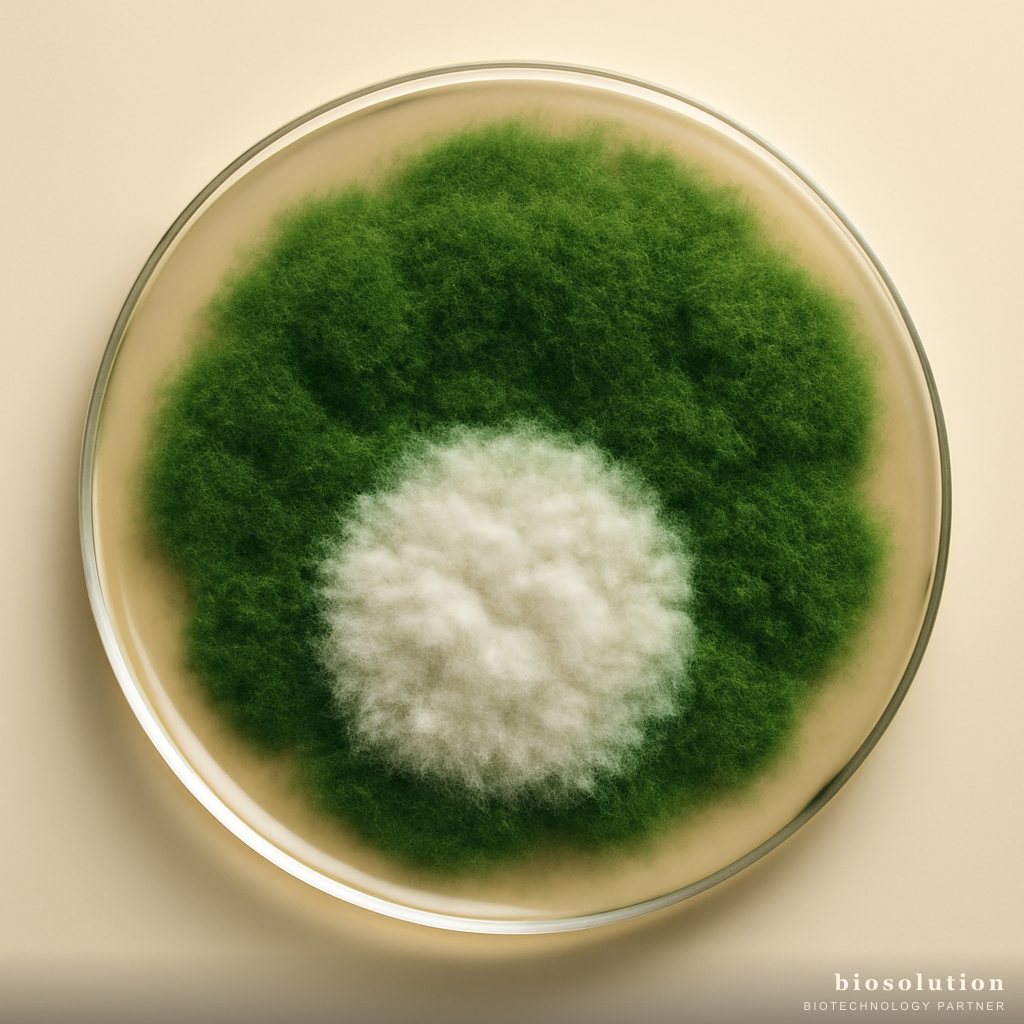
Trichoderma harzianum is a mycoparasitic fungus that can recognize the cell wall of pathogens, then coil around and penetrate the pathogen's hyphae. The chitinase and glucanase enzymes produced by T. harzianum degrade chitin and glucan in the cell walls of Fusarium and Phytophthora, causing the pathogen to lyse and die. This mechanism is highly effective because it directly destroys the pathogen's structure.
Antibiosis: Gliocladium virens Produces Toxic Compounds
Gliocladium virens produces antibiotic compounds such as gliovirin and viridin that are fungistatic and fungicidal against Sclerotium rolfsii and Rhizoctonia solani. These compounds inhibit sclerotia germination and pathogen mycelial growth. In Biosolution's formulation, the combination of T. harzianum and G. virens provides dual protection: mycoparasitism and antibiosis.
Competition for Space and Nutrients
Both strains grow rapidly and colonize the rhizosphere first, depriving pathogens of space and nutrients for development. Trichoderma also produces siderophores that bind iron ions, making them unavailable to pathogens. With regular application, Trichoderma populations dominate the soil, naturally suppressing pathogens.
Induction of Plant Resistance
Trichoderma spp. also act as PGPR (Plant Growth-Promoting Rhizobacteria) by triggering plant defense mechanisms through the jasmonic acid and ethylene signaling pathways. Plants become more resistant to pathogen attack without the need for additional pesticides.
Case Study: Tomato Plantation in East Java
A 5-hectare tomato plantation in Poncokusumo District, Malang Regency, experienced Fusarium wilt (Fusarium oxysporum f. sp. lycopersici) and Phytophthora root rot, causing up to 40% plant death in the previous season. Farmers had used various synthetic fungicides, but resistance began to emerge.
Application of Trichoderma Biofungicide
In the following growing season, farmers switched to Soil Pathogen Fungus Control Formula from Biosolution containing Trichoderma harzianum and Gliocladium virens. Application was done via root drench: 5 ml of product mixed with 1 liter of water, applied at 200 ml per plant. The first application was at planting, then repeated every 14 days until 2 weeks before harvest.
Results: 80% Disease Suppression
Monitoring results showed:
- Fusarium wilt intensity decreased from 35% to 7% (80% suppression)
- Phytophthora root rot appeared in only 5% of plants (previously 25%)
- Productivity increased by 25% compared to the previous season
- Plant protection costs dropped by 40% due to no need for weekly synthetic fungicide applications
Farmers also reported denser root systems and greener leaves, indicating the PGPR effect of Trichoderma.
Comparison with Synthetic Fungicides
Synthetic fungicides like mancozeb or metalaxyl are effective in the short term, but have drawbacks: pathogen resistance, residues on produce, and negative impacts on soil microbes. In contrast, Trichoderma biofungicide works naturally, is safe for pollinators and farmers, and improves soil health. A study at Brawijaya University (2023) showed that T. harzianum application increased populations of phosphate-solubilizing bacteria and rhizobia, thereby enhancing soil fertility.
Although the effect of biofungicide is not as fast as chemical fungicides (requires 3–7 days for full colonization), its advantages are long-term protection and environmental friendliness. For optimal results, biofungicide should be applied preventively, not curatively when plants are already severely infected.
Effective Application Guide for Trichoderma Biofungicide
To maximize the performance of Trichoderma biofungicide, consider the following:
Proper Application Timing
- Early growing season: Apply during soil preparation or at planting for early colonization.
- Early symptoms: If signs of wilt or root rot appear, immediately drench with a dose of 5 ml/l water.
- Frequency: Every 14 days to maintain Trichoderma population dominance.
Application Methods
- Root drench: Mix 5 ml of product per liter of water, apply 200 ml per mature plant.
- Compost mixing: For large areas, mix 10 ml of product per kg of compost, let sit for 3 days, then spread.
Environmental Conditions
Trichoderma is active at temperatures of 20–30°C and soil pH 4.5–7.5. Avoid applying simultaneously with synthetic fungicides based on benomyl or carbendazim, as they can inhibit Trichoderma growth. Allow at least a 7-day interval if chemical fungicides must be used.
Conclusion
Trichoderma biofungicide containing Trichoderma harzianum and Gliocladium virens has been proven effective in suppressing soil-borne pathogens by up to 80% based on a case study in a tomato plantation. The mechanisms of mycoparasitism, antibiosis, competition, and induction of plant resistance make it a sustainable solution for commercial farmers. With regular and proper application, the use of synthetic fungicides can be significantly reduced.
Interested in trying? Consult with the Biosolution team via WhatsApp to get dosage recommendations tailored to your crop. See the product Soil Pathogen Fungus Control Formula for more information.
FAQ
What is Trichoderma biofungicide?
Trichoderma biofungicide is a biological control product containing Trichoderma spp. fungi, such as Trichoderma harzianum and Gliocladium virens, which can suppress soil-borne pathogens through mycoparasitism, antibiosis, and competition. This product is safe for plants, humans, and the environment.
How to properly apply Trichoderma biofungicide?
Application is done via root drench or compost mixing. For root drench, mix 5 ml of product per liter of water, apply 200 ml per plant. First application at planting, then repeat every 14 days. Avoid mixing with synthetic fungicides as it may reduce effectiveness.
Is Trichoderma biofungicide effective against all types of soil pathogens?
Trichoderma biofungicide is effective against various soil-borne pathogens such as Fusarium, Phytophthora, Rhizoctonia, Sclerotium, and Pythium. However, its effectiveness depends on soil conditions, dosage, and application timing. For optimal results, use preventively.
How long does it take for Trichoderma biofungicide to work?
Trichoderma requires 3–7 days to colonize the rhizosphere and begin suppressing pathogens. Disease suppression effects are usually seen after 2–3 weeks of regular application. Therefore, preventive application is highly recommended.
Is Trichoderma biofungicide safe for plants and the environment?
Yes, Trichoderma biofungicide is safe because it uses natural microorganisms that leave no harmful residues. It does not harm pollinating insects, earthworms, or other soil microbes. In fact, Trichoderma improves soil health and plant growth.