Trichoderma Biofungicide: An Effective Formula for Controlling Soilborne Fungal Pathogens
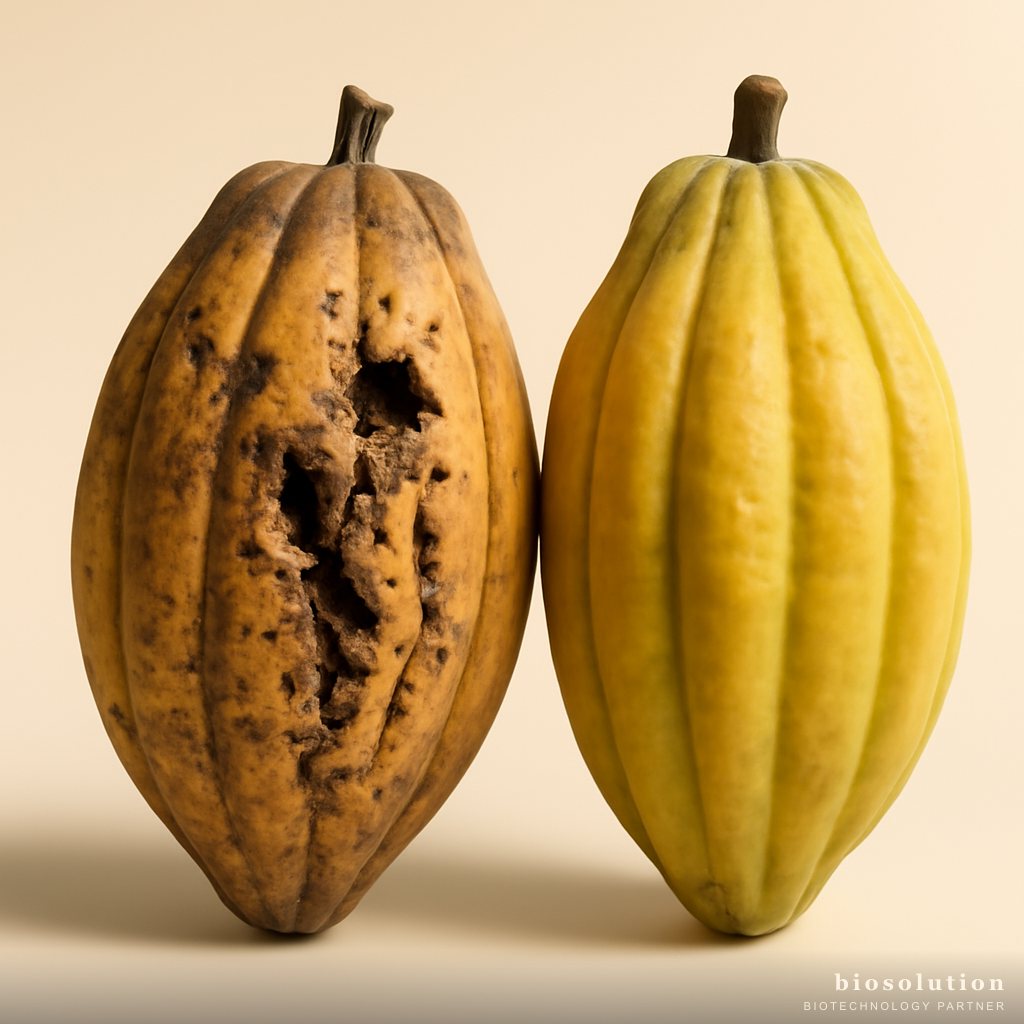
Soilborne pathogens such as Fusarium oxysporum, Phytophthora spp., and Sclerotium rolfsii are a nightmare for commercial farmers. These fungal attacks cause wilting, root rot, and even crop failure. This is where Trichoderma biofungicide plays a role as a biological agent that not only suppresses pathogens but also improves soil health. Biosolution presents the Soil Pathogen Fungus Control Formula containing two superior microbes: Trichoderma harzianum and Gliocladium virens. This article thoroughly discusses application methods, precise dosage, critical timing, and adjuvant combinations to maximize control effectiveness.
Why Are Soilborne Pathogens Difficult to Control?
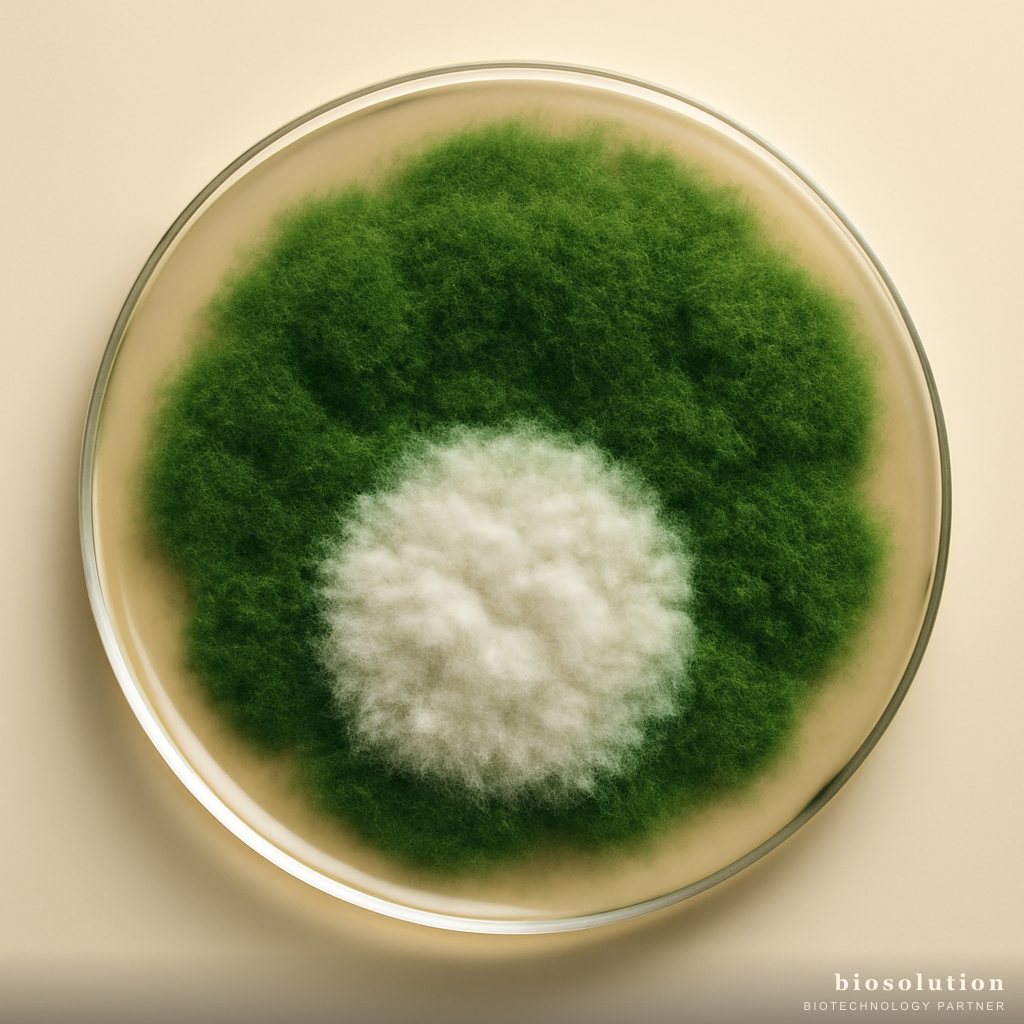
Soilborne pathogens persist in the soil for long periods through dormant structures such as chlamydospores or sclerotia. They attack roots and stem bases, causing symptoms that only become visible when the plant is already severely infected. Chemical fungicides are often ineffective due to limited penetration and pathogen resistance. Trichoderma-based biofungicides offer more sustainable mechanisms: mycoparasitism, nutrient competition, and antibiosis.
The Role of Trichoderma harzianum and Gliocladium virens
Trichoderma harzianum works by coiling around and degrading the cell walls of pathogens (mycoparasitism). It also produces chitinase and glucanase enzymes that damage the hyphae of other fungi. Meanwhile, Gliocladium virens produces antibiotic compounds such as gliotoxin that inhibit the growth of Fusarium and Rhizoctonia. The combination of both in the Biosolution formula provides dual protection: directly attacking pathogens and creating an environment unfavorable for disease development.
Proper Dosage and Application Timing for Trichoderma Biofungicide
To be effective, Trichoderma biofungicide must be applied at the right dosage and time. The Biosolution Soil Pathogen Fungus Control Formula is recommended at a dosage of 5 ml per liter of water. Application is done by root drenching or mixing with compost. Optimal frequency is every 14 days, especially at the start of the growing season or when early disease symptoms appear.
Critical Timing: Early Season and Early Symptoms
Application at the start of the growing season, when seeds or seedlings are planted, provides early protection. Trichoderma will quickly colonize the rhizosphere and form a biological barrier. If wilting or root rot symptoms appear, immediately perform a root drench with the same dosage. Repeating every two weeks maintains the population of antagonistic microbes in the root zone.
Combination with Compost for Synergistic Effects
Mixing the biofungicide with mature compost (1 liter formula + 50 kg compost) enhances the viability of Trichoderma and Gliocladium. Compost provides organic matter as a food source, making the biological agent population more stable. This method is highly recommended during soil preparation before planting.
Adjuvant Combinations to Enhance Effectiveness
Adjuvants such as non-ionic surfactants or wetting agents can be added to improve the spread and penetration of the formula into the soil. However, ensure the adjuvant is not toxic to the microbes. It is recommended to use natural adjuvants like molasses or coconut water at low doses (1-2 ml/L) to stimulate Trichoderma growth.
Avoiding Combinations with Certain Chemical Fungicides
Avoid mixing the biofungicide with chemical fungicides containing active ingredients such as benomyl, carbendazim, or metalaxyl, as they can kill Trichoderma. If chemical fungicides are necessary, allow a minimum interval of 7 days before or after biofungicide application.
Benefits of Trichoderma Biofungicide for Plants and Soil
In addition to controlling pathogens, Trichoderma biofungicide provides additional benefits:
- Increases root volume by 20–30% acting as a PGPR (Plant Growth Promoting Rhizobacteria).
- Reduces dependence on synthetic fungicides, lowering production costs.
- Safe for the environment, leaving no harmful residues.
- Improves soil structure through enzyme activity and polysaccharide production.
Step-by-Step Application Method
- Prepare the solution: Mix 5 ml of Soil Pathogen Fungus Control Formula into 1 liter of clean water. Stir until homogeneous.
- Drench application: Pour the solution onto the root area of plants at 200-300 ml per mature plant. For seedlings, 50-100 ml is sufficient.
- Mix with compost: For broad-area soil application, mix 1 liter of formula with 50 kg of compost, let it sit for 3-5 days, then spread.
- Repeat every 14 days during the growing season, especially in humid conditions.
Conclusion
Trichoderma biofungicide, especially the Biosolution Soil Pathogen Fungus Control Formula, is an effective and eco-friendly solution for controlling soilborne pathogens. With a dosage of 5 ml/L, root drench application every 14 days, and combination with compost, farmers can suppress Fusarium wilt, Phytophthora rot, and Sclerotium diseases. Feel free to consult your field conditions via our WhatsApp for more specific recommendations.
FAQ
What is Trichoderma biofungicide?
Trichoderma biofungicide is a biological product containing Trichoderma spp. fungi to control soilborne pathogens. Trichoderma works through mycoparasitism, competition, and antibiosis, effectively suppressing Fusarium, Phytophthora, and Sclerotium.
How to properly apply Trichoderma biofungicide?
Application is done by root drenching using a dosage of 5 ml per liter of water. Pour onto the root area of plants every 14 days, especially at the start of the growing season or when early disease symptoms appear. It can also be mixed with compost for more optimal effects.
Is Trichoderma biofungicide safe for plants and the environment?
Yes, Trichoderma biofungicide is safe for plants, humans, and the environment. It leaves no harmful residues and can be used in organic farming. However, avoid mixing with certain chemical fungicides that can kill the microbes.
When is the best time to apply Trichoderma biofungicide?
The best time is at the start of the growing season when seeds or seedlings are planted, and when early disease symptoms appear. Regular application every 14 days maintains high Trichoderma populations in the rhizosphere.
What is the difference between Trichoderma harzianum and Gliocladium virens?
Trichoderma harzianum excels in mycoparasitism and enhances root growth, while Gliocladium virens produces the antibiotic gliotoxin which effectively inhibits pathogens. Their combination provides broader and synergistic protection.