Trichoderma Biofungicide: IPM Solution for Soilborne Pathogens
Soilborne pathogens such as Fusarium oxysporum, Phytophthora spp., and Sclerotium rolfsii are a scourge for commercial farmers because they can persist in the soil for a long time and attack plant roots stealthily. Chemical control is often incomplete and actually damages the soil ecosystem. This is where Trichoderma biofungicide comes in as a solution based on natural enemies integrated into Integrated Pest Management (IPM). Biosolution presents the Soil Pathogen Fungus Control Formula that combines two superior biological agents: Trichoderma harzianum and Gliocladium virens. This article will thoroughly explore the mechanism, application, and advantages of this product in sustainably controlling soilborne pathogens.
Dual Mechanism of Trichoderma and Gliocladium Biofungicide
Direct Mycoparasitism by Trichoderma harzianum
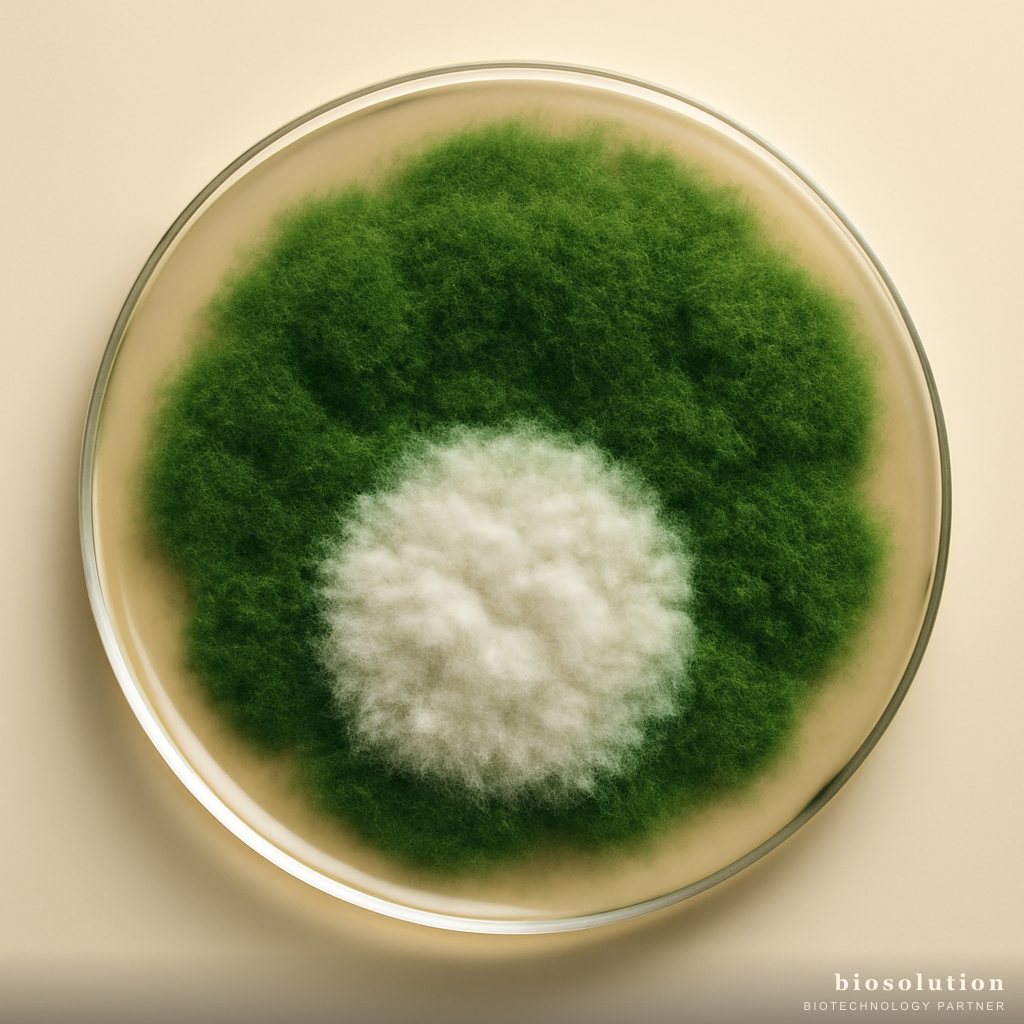
Trichoderma harzianum works through mycoparasitism, i.e., detecting the presence of pathogenic fungi in the rhizosphere. Trichoderma hyphae grow toward the pathogen hyphae, coil around them, and secrete lytic enzymes such as chitinase and glucanase that degrade the pathogen's cell wall. This process directly stops pathogen growth. Additionally, Trichoderma triggers systemic resistance in plants through the production of elicitor compounds.
Antibiosis by Gliocladium virens
Gliocladium virens produces antibiotics such as gliotoxin and viridin that are fungistatic. These compounds inhibit spore germination and mycelial growth of soilborne pathogens. The combination of these two agents provides a synergistic effect: Trichoderma attacks the pathogen physically, while Gliocladium suppresses pathogen populations through bioactive compounds. The result is more comprehensive root protection.
Advantages of Biosolution's Soil Pathogen Fungus Control Formula
Superior Composition for IPM
This product contains two microbial strains specifically selected for soilborne pathogens. Trichoderma harzianum is known as a PGPR (Plant Growth-Promoting Rhizobacteria) that also increases root volume by 20–30%. Gliocladium virens complements with antibiosis activity. Both are formulated in a stable, ready-to-use liquid form.
Practical Dosage and Application
Commercial farmers need ease of application. This product is applied by drenching or mixing with compost at a dosage of 5 ml per liter of water. Application frequency is every 14 days or during soil tillage, starting at the beginning of the growing season or when early disease symptoms appear. This method ensures that the biological agents are directly in the root zone, where pathogens attack.
Benefits for Commercial Farmers
- Controls major pathogens: Fusarium wilt, Phytophthora rot, and Sclerotium.
- Enhances root growth: Root volume increases, nutrient uptake is more optimal.
- Reduces dependence on synthetic fungicides: Environmentally friendly and safe for farmers.
- Supports IPM: Does not kill other natural enemies, maintains ecosystem balance.
Integration Strategy in Integrated Pest Management (IPM)
IPM as a Holistic Approach
IPM emphasizes prevention, monitoring, and control using a combination of biological, physical, selective chemical, and cultural methods. Trichoderma biofungicide becomes a key biological component that can be integrated with:
- Use of resistant varieties
- Crop rotation
- Field sanitation
- Use of organic mulch
Field Integration Example
In chili cultivation, drenching with the Soil Pathogen Fungus Control Formula at planting (5 ml/L, every 14 days) combined with silver-black plastic mulch to reduce soil humidity. Results showed a reduction in Fusarium wilt incidence by up to 60% compared to untreated controls. This demonstrates the effectiveness of integrating natural enemies with cultural practices.
Case Study: Effectiveness on Horticultural Crops
Trial on Tomato Plants
On a commercial farm in West Java, application of the Soil Pathogen Fungus Control Formula on tomatoes showed a 70% reduction in Sclerotium rolfsii attack after 4 applications. Root volume increased by 25% compared to controls, and fruit production increased by 15%. Farmers reported a 50% reduction in synthetic fungicide use.
Data from University Research
Research from the Faculty of Agriculture, Gadjah Mada University showed that the combination of Trichoderma harzianum and Gliocladium virens suppressed Fusarium oxysporum populations in soil by up to 80% within 30 days. This effectiveness is equivalent to synthetic fungicides containing mancozeb, but without harmful residues.
Usage Instructions and Recommendations
Step-by-Step Application Guide
- Preparation: Prepare a clean sprayer or watering can.
- Dosage: Mix 5 ml of product with 1 liter of clean water. Stir well.
- Application Time: Spray onto the root zone (drench), 100-200 ml per plant depending on size. Repeat every 14 days.
- Best Conditions: Apply in the morning or evening, avoid direct sunlight. Do not mix with synthetic fungicides at the same time.
Tips for Maximizing Results
- Ensure the soil is sufficiently moist before application.
- Use organic materials such as compost to support Trichoderma colonization.
- Rotate biological products with different mechanisms to prevent resistance.
Conclusion
Biosolution's Trichoderma biofungicide, with the Soil Pathogen Fungus Control Formula, offers an effective and environmentally friendly solution for controlling soilborne pathogens. The integration of Trichoderma harzianum and Gliocladium virens provides a dual mechanism: mycoparasitism and antibiosis. This product is easy to apply, safe, and optimally supports IPM. For best results, apply from the beginning of the growing season and combine with good cultural practices. Interested in using this product? Consult your needs with the Biosolution team via WhatsApp or see product details at Soil Pathogen Fungus Control Formula.
FAQ
What is Trichoderma biofungicide?
Trichoderma biofungicide is a biological control product containing Trichoderma spp. fungi as antagonistic agents against soilborne pathogens. Trichoderma works through mycoparasitism, competition, and antibiosis, effectively controlling diseases such as Fusarium wilt and root rot.
How to properly apply Trichoderma biofungicide?
Application is done by drenching or mixing with compost. Dosage is 5 ml per liter of water, applied every 14 days or during soil tillage. The best time is at the beginning of the growing season or when early disease symptoms appear. Ensure the soil is moist and avoid mixing with synthetic fungicides.
Is Trichoderma biofungicide safe for humans and the environment?
Yes, Trichoderma biofungicide is safe because it uses natural microorganisms that do not leave harmful residues. This product is non-toxic to humans, animals, and beneficial insects. Suitable for organic farming and IPM.
What is the difference between Trichoderma harzianum and Gliocladium virens?
Trichoderma harzianum excels in direct mycoparasitism and enhances root growth as a PGPR. Gliocladium virens produces the antibiotic gliotoxin that chemically inhibits pathogens. Their combination provides broader protection.
When is the best time to use Trichoderma biofungicide?
The best time is at the beginning of the growing season, before pathogens infect. Application is also effective when early disease symptoms appear. Repeat every 14 days to maintain high populations of biological agents in the rhizosphere.