Trichoderma Biofungicide: Why Chemical Pesticides Fail and the Proven Natural Solution for Soilborne Pathogens
Commercial farmers in Indonesia are increasingly facing a serious challenge: soilborne pathogens such as Fusarium oxysporum, Phytophthora spp., and Sclerotium rolfsii are becoming more resistant to chemical fungicides. Repeated use of synthetic pesticides triggers pathogen adaptation, reduces effectiveness, and disrupts soil microbial balance. This is where Trichoderma biofungicide emerges as a revolutionary solution. Through mycoparasitism and antibiosis mechanisms, products like Biosolution's Soil Pathogen Fungus Control Formula offer a biological approach that not only controls diseases but also improves soil health. This article thoroughly explores why Trichoderma biofungicide is superior, backed by science and product data.
Why Do Chemical Pesticides Fail to Control Soilborne Pathogens?
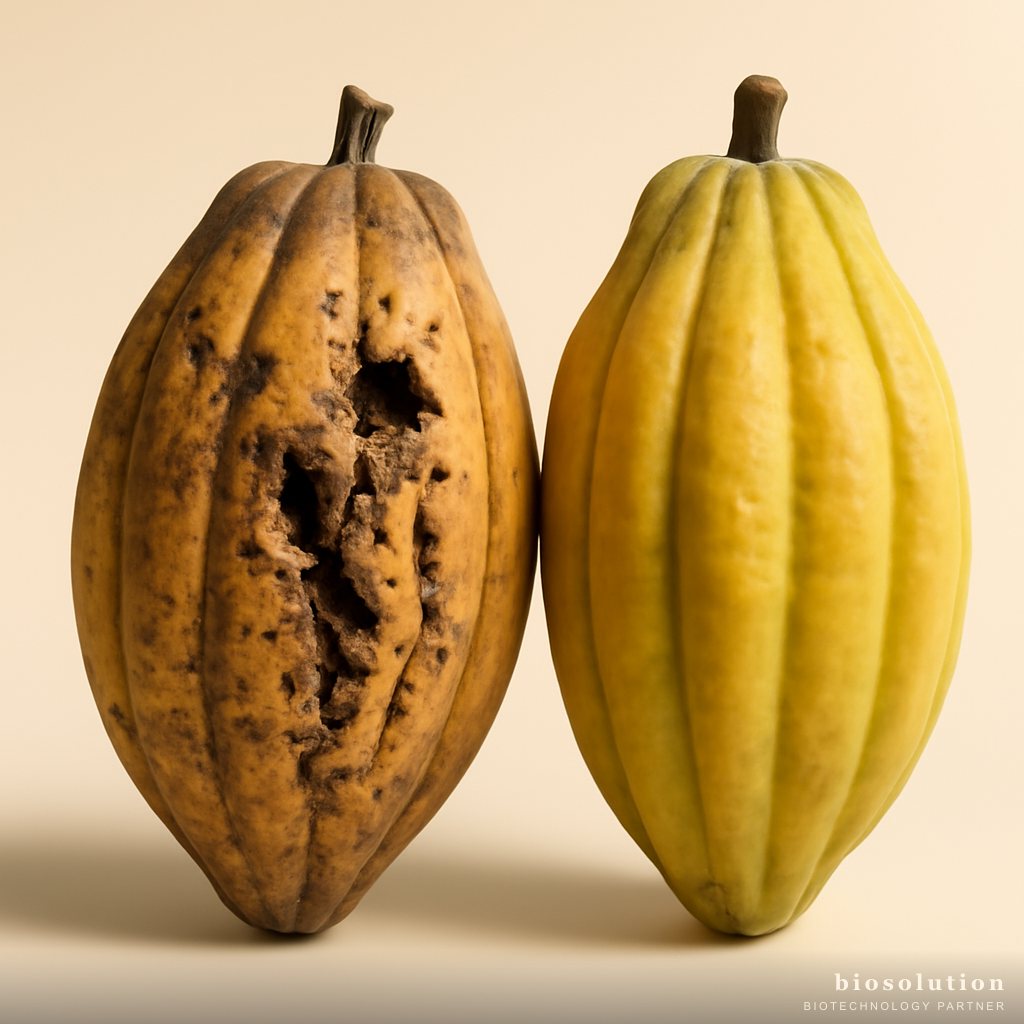
Continuous use of chemical fungicides leads to resistance problems. Pathogens like Fusarium and Phytophthora have rapid genetic mutation capabilities, so within a few growing seasons, the same dose is no longer effective. This phenomenon is exacerbated by the degradation of active ingredients in soil due to microbial activity and sunlight. Worse, chemical residues kill beneficial microorganisms, including natural biological agents, leaving the soil 'dead' and pathogens dominant. Consequently, diseases like Fusarium wilt and root rot actually increase. FAO data shows that resistance to benzimidazole and strobilurin fungicides is already common in soilborne pathogens. This is why farmers need to switch to Trichoderma biofungicide, which works differently and does not trigger resistance.
Mechanism of Action of Trichoderma Biofungicide: Mycoparasitism and Antibiosis
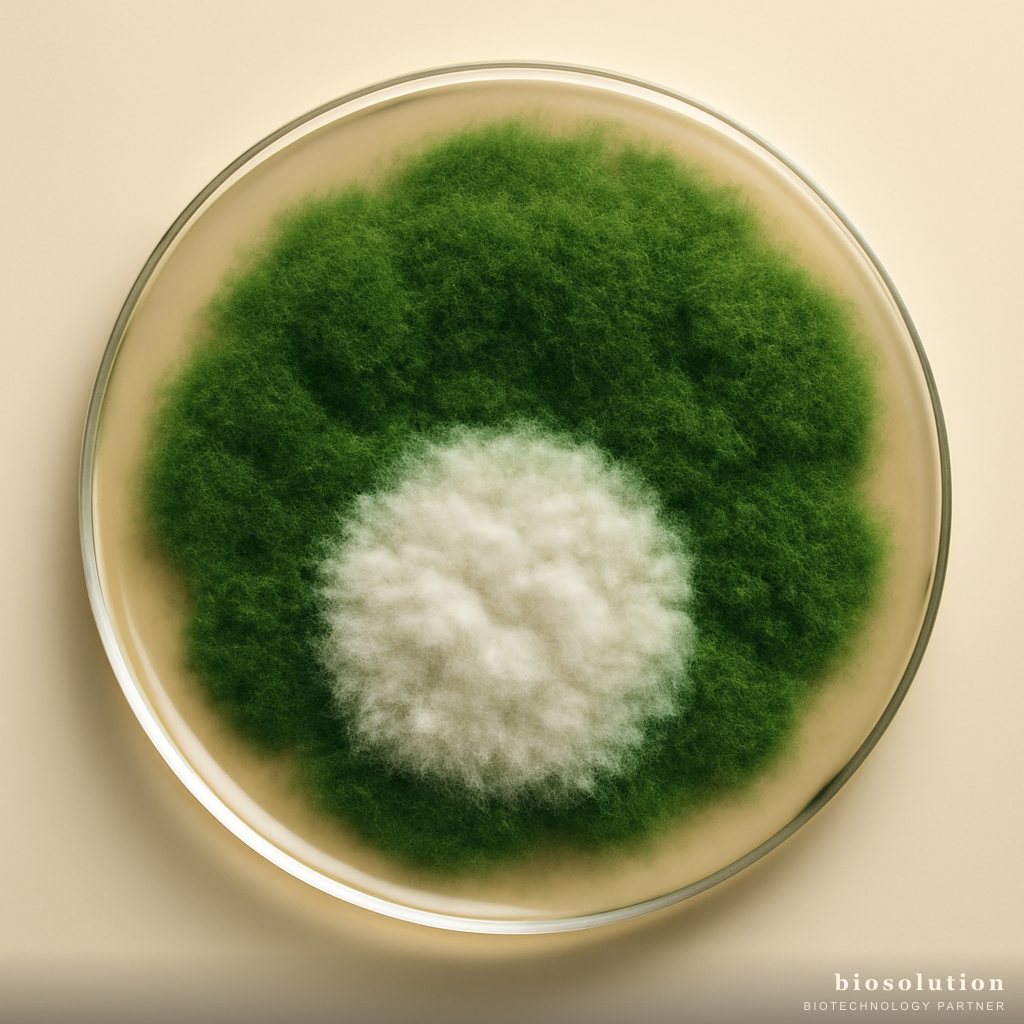
Trichoderma biofungicide works through two main mechanisms: mycoparasitism and antibiosis. Trichoderma harzianum, a superior strain in Biosolution's Soil Pathogen Fungus Control Formula, can coil around and penetrate pathogen hyphae, then degrade their cell walls using chitinase and glucanase enzymes. Meanwhile, Gliocladium virens produces antibiotic compounds such as gliotoxin that inhibit the growth of Sclerotium and Phytophthora. These two mechanisms are synergistic, making it difficult for pathogens to develop resistance. Additionally, Trichoderma triggers induced systemic resistance in plants and produces phytohormones that stimulate root growth. According to research in the journal Biological Control, application of T. harzianum can suppress Fusarium wilt severity by up to 70% in chili plants.
Advantages of Biosolution's Soil Pathogen Fungus Control Formula
This Biosolution product is specially formulated for commercial farmers with a composition of Trichoderma harzianum and Gliocladium virens. Its advantages include not only control efficacy but also a 20–30% increase in root volume, directly impacting nutrient uptake and yield. The application dose is only 5 ml per liter of water, applied via root drench every 14 days or during soil tillage. The best time is at the start of the growing season or when early disease symptoms appear. With regular use, farmers can reduce synthetic fungicide use by up to 50%, saving costs and protecting the environment. This product is safe for humans, animals, and pollinators, and leaves no harmful residues on crops.
Case Study: Effectiveness of Trichoderma Biofungicide on Horticultural Crops
In highland tomato cultivation, Phytophthora infestans attacks often cause crop failure. Farmers using Biosolution's Soil Pathogen Fungus Control Formula reported a decrease in disease intensity from 60% to 15% over two growing seasons. Additionally, plant roots were denser and leaves greener. In shallot crops, Fusarium oxysporum f. sp. cepae causing Fusarium wilt was suppressed by up to 80% with Trichoderma drench application. Internal Biosolution data shows that the combination of T. harzianum and G. virens provides higher efficacy than single strains. This is because the two strains occupy different ecological niches: Trichoderma is active on the root surface, while Gliocladium is more effective in the rhizosphere.
Proper Application of Trichoderma Biofungicide
For optimal results, follow these application guidelines: Mix 5 ml of product with 1 liter of clean water (without chlorine). Stir well, then drench 200 ml of solution per plant around the root zone. Repeat every 14 days or immediately after heavy rain that may spread pathogens. If used during soil tillage, mix 10 ml of product per liter of water for 10 m² of land, then spray onto the soil before planting. Avoid mixing with chemical fungicides as they can inhibit Trichoderma growth. Store the product in a cool, dark place. With regular application, Trichoderma populations will stabilize in the soil and continue to protect plants.
Comparison: Trichoderma Biofungicide vs. Chemical Fungicides
| Aspect | Chemical Fungicides | Trichoderma Biofungicide |
|---|---|---|
| Mechanism | Direct toxicity | Mycoparasitism, antibiosis, resistance induction |
| Resistance | Easily occurs | Very rare (multi-mechanism) |
| Soil impact | Destroys microbes | Improves soil health |
| Safety | Hazardous to farmers | Safe, no special PPE needed |
| Long-term cost | Expensive due to high doses | More economical due to long-term effects |
The table above shows that Trichoderma biofungicide is not just an alternative but a superior solution for sustainable agriculture.
Conclusion
Resistance of soilborne pathogens to chemical fungicides is a real threat to agricultural productivity. Trichoderma biofungicide from Biosolution, with its dual formula of Trichoderma harzianum and Gliocladium virens, offers an effective solution that not only controls diseases but also improves soil health and plant growth. With low doses and easy application, this product helps farmers reduce costs, increase yields, and contribute to environmentally friendly farming. Don't let pathogens ruin your investment. Consult your land needs via WhatsApp or see the product Soil Pathogen Fungus Control Formula now.