Trichoderma Biofungicide: The Right Formula to Control Soilborne Pathogens
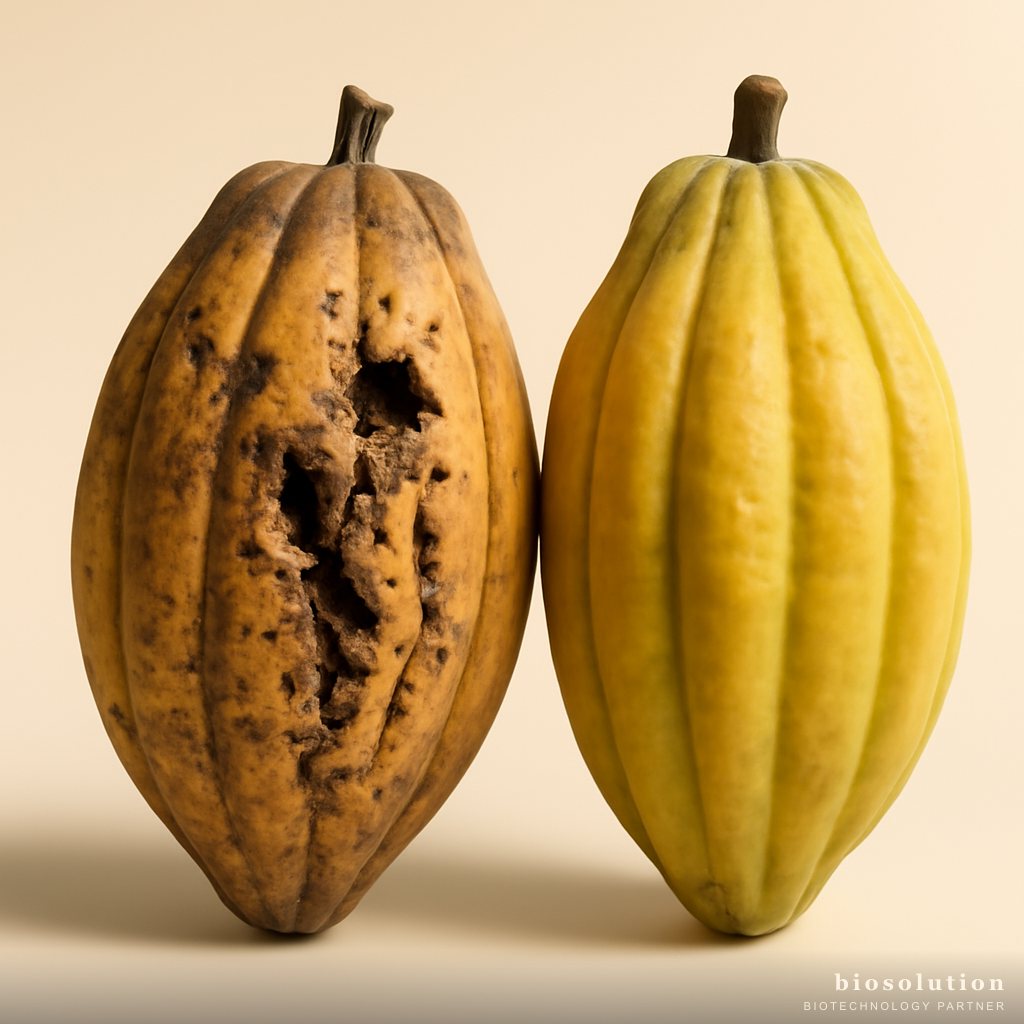
Plant diseases caused by soilborne pathogens such as Fusarium oxysporum, Phytophthora spp., and Sclerotium rolfsii are a nightmare for commercial farmers. Losses from fusarium wilt in chili or phytophthora rot in cocoa can reach 30–50% if not handled properly. Trichoderma biofungicide emerges as an effective and environmentally friendly biological agent. However, many farmers still fail to apply it correctly. This article will thoroughly discuss the mode of action, common application mistakes, and Biosolution's scientifically proven soilborne fungus control formula.
Why Trichoderma Biofungicide is Effective for Soilborne Pathogens?
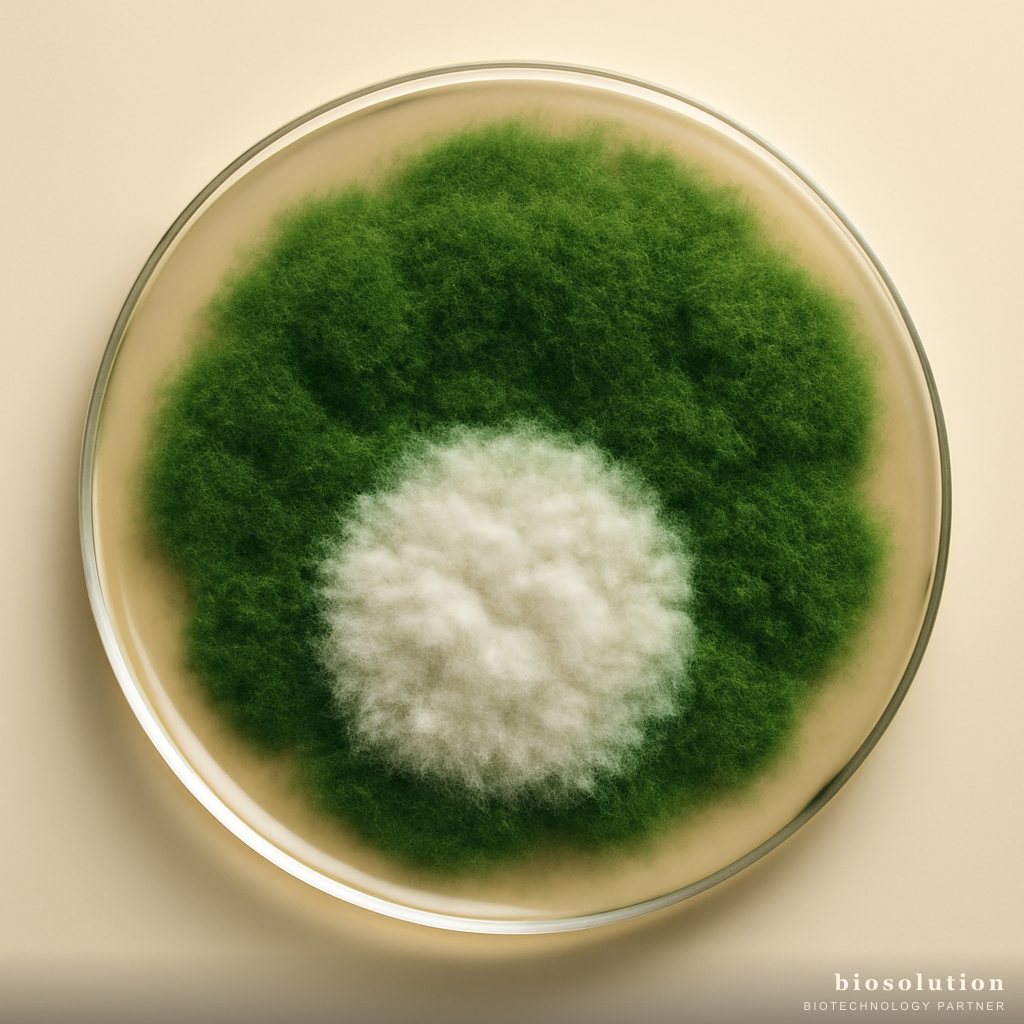
Trichoderma spp. are antagonistic fungi that have been extensively researched as biocontrol agents. The species Trichoderma harzianum has a mycoparasitism mechanism, directly infecting pathogen hyphae by secreting lytic enzymes such as chitinase and glucanase. Additionally, Trichoderma triggers induced systemic resistance in plants and produces antibiotic compounds that inhibit pathogen growth.
In Biosolution's soilborne fungus control formula, there are two superior strains: Trichoderma harzianum and Gliocladium virens. G. virens is known for its ability to produce gliovirin, an antibiosis compound effective against Phytophthora and Pythium. The combination of these two microbes provides dual protection: direct mycoparasitism and chemical antibiosis.
According to research from the Indonesian Center for Agricultural Biotechnology and Genetic Resources Research and Development, consistent application of Trichoderma can suppress fusarium wilt severity by up to 70% in banana plants. This data demonstrates the great potential of Trichoderma biofungicide in sustainable agriculture systems.
Common Mistakes in Trichoderma Biofungicide Application
Although effective, many farmers make mistakes during application, resulting in suboptimal outcomes. Here are some of the most common errors:
1. Application Under Inappropriate Environmental Conditions
Trichoderma is a fungus that requires good moisture and aeration. Application on soil that is too dry or too wet (waterlogged) can reduce spore viability. The optimal temperature for Trichoderma growth is 25–30°C. If soil temperature exceeds 35°C, spores may die. Therefore, application should be done in the morning or evening, and ensure the soil has adequate moisture (not waterlogged).
2. Incorrect Dosage and Frequency
Some farmers think the higher the dose, the better. In fact, excessive use can cause competition among spores, reducing effectiveness. The recommended dosage for Biosolution's soilborne fungus control formula is 5 ml per liter of water, applied via root drench or mixed with compost every 14 days or during soil tillage. This frequency maintains a stable Trichoderma population in the rhizosphere.
3. Application Together with Chemical Fungicides
Synthetic fungicides are broad-spectrum, meaning they can kill both pathogenic and beneficial fungi like Trichoderma. If chemical fungicides must be used, allow a minimum interval of 3–5 days after biofungicide application. Ideally, use biofungicide preventively at the start of the growing season, not as a curative after severe disease.
4. Ignoring Application Method
Trichoderma works in the root zone. Therefore, root drench application is more effective than foliar spray. Ensure the solution reaches the base of the stem and the root area. For already infected plants, increase frequency to every 7 days until symptoms subside.
Biosolution Soilborne Fungus Control Formula: The Right Solution
Biosolution presents the Soilborne Pathogen Fungus Control Formula containing Trichoderma harzianum and Gliocladium virens. This product is specifically designed to control soilborne pathogens such as Fusarium wilt, Phytophthora rot, and Sclerotium. Its advantages:
- Dual mechanism: Mycoparasitism and antibiosis.
- Increases root volume by 20–30% due to the PGPR (Plant Growth Promoting Rhizobacteria) properties of Trichoderma.
- Reduces the use of synthetic fungicides, making it more environmentally friendly and safe for farmers.
- Safe for food crops, horticulture, and plantation crops.
Easy to apply: mix 5 ml of product per liter of water, then drench the root area every 14 days. For prevention, apply during soil tillage or at the start of the growing season. If disease symptoms have appeared, apply more intensively.
Case Study: Successful Control of Fusarium Wilt in Chili
A chili farmer in East Java experienced a fusarium wilt attack that caused sudden plant death. After consulting with the Biosolution team, he applied the soilborne fungus control formula at a dose of 5 ml/l water via root drench every 14 days. As a result, within one growing season, disease intensity dropped from 40% to 10%, and chili production increased by 25% compared to the previous season. The farmer also reported that the plant roots were denser and healthier.
This story proves that with proper application techniques, Trichoderma biofungicide can be a reliable tool for controlling soilborne pathogens. For more information, you can read the related article: Getting to Know Trichoderma harzianum Better.
FAQ About Trichoderma Biofungicide
1. Is Trichoderma biofungicide safe for plants and humans?
Yes, Trichoderma is a non-pathogenic fungus safe for humans, animals, and plants. This product is registered with the Ministry of Agriculture and widely used in organic farming. However, always use personal protective equipment during application to avoid irritation.
2. Can Trichoderma biofungicide be mixed with other fertilizers or pesticides?
It is best not to mix with chemical fungicides. However, it can be mixed with liquid organic fertilizer or compost. If you want to mix with other pesticides, conduct a compatibility test first or consult an expert.
3. How long can Trichoderma biofungicide survive in the soil?
The Trichoderma population will decline over time without re-inoculation. Therefore, regular application every 14 days is recommended to maintain population density. In supportive soil conditions (pH 5.5–6.5, moist), Trichoderma can survive for 2–3 months.
4. Can this product be used for hydroponic plants?
Not recommended. Trichoderma requires soil or organic media to thrive. For hydroponic systems, use special products formulated for nutrient solutions.
5. Where can I buy Biosolution's soilborne fungus control formula?
The product is available at Biosolution partner agricultural stores or can be ordered directly via WhatsApp. Visit our product page for more details.
Conclusion
Trichoderma biofungicide is a powerful weapon against soilborne pathogens when applied correctly. Avoid mistakes such as application in extreme environments, excessive dosage, or mixing with chemical fungicides. Use Biosolution's soilborne fungus control formula containing Trichoderma harzianum and Gliocladium virens for optimal protection. With regular root drenching, you can suppress disease while enhancing root growth. Interested in trying? Consult your needs with our team via WhatsApp for the right recommendations.