Research, case studies, and practical biotech guides.
Insights for Indonesian and Southeast Asian farmers, ranchers, and aquaculturists. 804 articles and counting.

Biofertilizer for Coffee: Avoid These 7 Mistakes to Increase Yield
Biofertilizer for coffee can increase yield by up to 30%, but many farmers make application mistakes. This article discusses 7 common errors when using liquid biofertilizer and the right way to optimize microbial consortium formulas such as Rhizobium, Bacillus subtilis, and Trichoderma for specialty coffee plantations.

5 Common Mistakes in Using Probiotics for Garut Sheep
Probiotics for Garut sheep effectively increase ADG by 10-15%, but many farmers make mistakes such as incorrect dosage, improper storage, or inconsistency. This article reviews 5 common mistakes and their solutions using Biosolution's Formula Probiotik Domba Penggemukan.

Anti Fusarium Wilt in Tomatoes: Biological Formula vs Synthetic Insecticides
Fusarium wilt in tomatoes and chili peppers is caused by Fusarium oxysporum. This article compares the efficacy of a biological Anti-Fusarium Wilt Formula (Trichoderma harzianum, Gliocladium virens, Pseudomonas fluorescens) with synthetic insecticides in controlling soilborne pathogens. Results show that the biological formula not only suppresses disease but also improves plant resistance and is safe for organic farming.

Natural Soil Conditioner: 7 Common Mistakes in Using Biofertilizer
Managing degraded and saline land requires the right approach. Natural soil conditioners based on microbes such as Azotobacter sp., Azospirillum sp., and Bacillus megaterium can improve soil structure, but farmers often make application mistakes. This article reviews 7 common mistakes and their solutions.
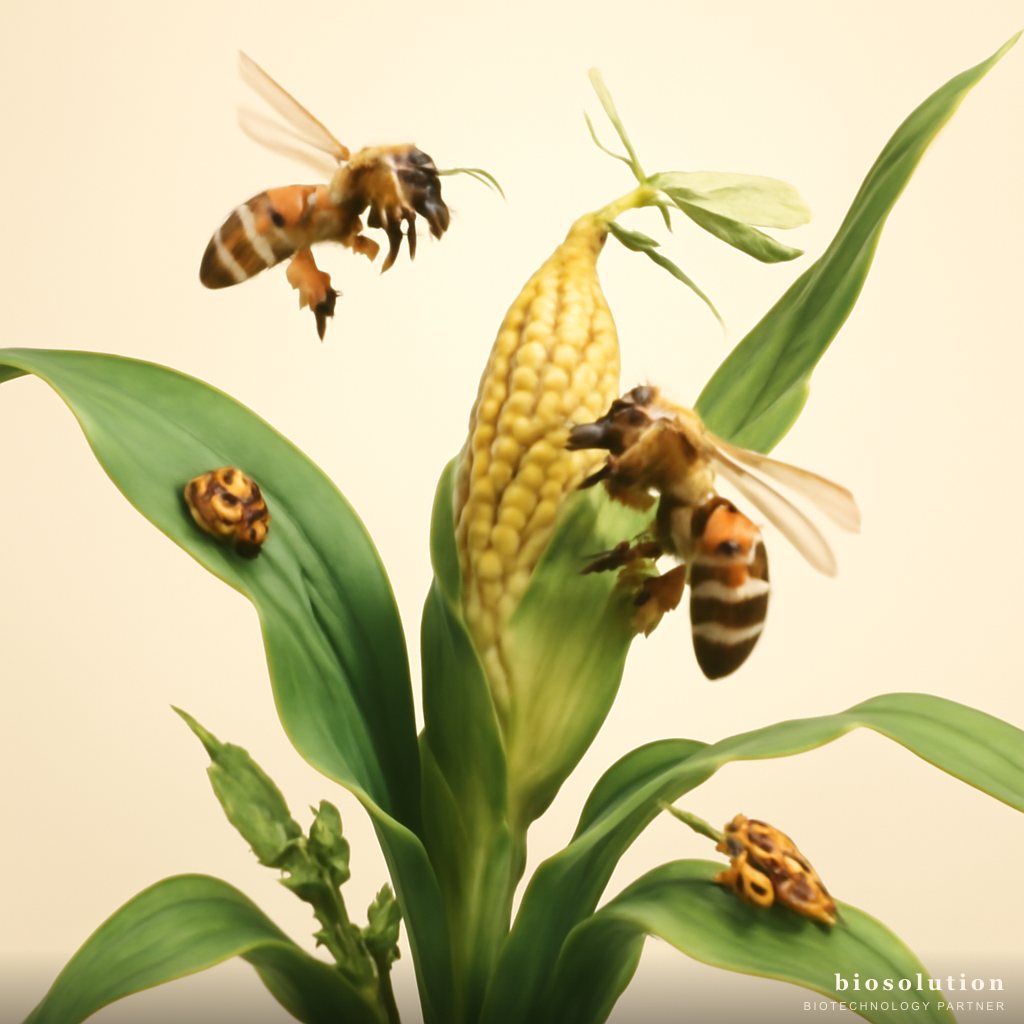
Eco-Friendly Biopesticide: Efficacy of Biological Formula vs Synthetic Insecticide
This article compares the efficacy of eco-friendly biopesticides (Broad-Spectrum Biological Insecticide Formula) with synthetic insecticides. Biopesticides based on Beauveria bassiana and Metarhizium anisopliae can control pests with 80-85% efficacy, without chemical residues, and support sustainable agriculture and integrated pest management (IPM).

Probiotics for Dairy Cows to Increase Milk Production
Biosolution's Dairy Cow Probiotic Formula has been tested on Indonesian commercial farms. Results: milk production increased by 5-8%, milk quality remained stable, and udder health improved. See performance data and mechanism of action.

Natural Anti-Resistance Insecticide Formula for Modern Agriculture
An environmentally friendly biological insecticide formula based on antagonistic microorganisms to control plant pests without the risk of resistance.

Oil Palm Biofertilizer: Field Trial Results of the Sawit Formula
This article presents field trial results of Biosolution's Oil Palm Biofertilizer Formula on B2B oil palm plantations on peatland. With a combination of Trichoderma harzianum, Azotobacter sp., and Bacillus subtilis, this formula can increase FFB production by 10-15%, suppress Ganoderma attack, and improve peat soil quality.
Resistance-Free Natural Insecticide Formula for Modern Farming
A biological insecticide formula based on antagonistic microorganisms that is environmentally friendly for controlling plant pests without resistance risk.

High Ammonia Nitrite Pond Emergency: Fast Solution with Probiotics
High ammonia and nitrite are serious threats in ponds that can cause mass mortality. This article discusses the toxicity mechanism, the importance of nitrifying probiotics, and a fast solution using Biosolution's Ammonia & Nitrite Emergency Formula containing high-dose Nitrosomonas sp. and Nitrobacter sp. for recovery within 24 hours.

Organic Revolution for Indonesian Paddy Rice
A specialized organic formula for paddy rice that boosts productivity while preserving the environment through a biotechnological approach.
Wastewater BOD COD Reduced to Quality Standards with Bioremediation
This article discusses strategies to reduce BOD/COD of wastewater to meet environmental quality standards using bioremediation formulas based on bacterial consortium and Aspergillus niger. Focus on post-application parameter monitoring: BOD, COD, and odor.