Loading...
Agricultural Biotechnology Partner — since 2009
News & Case Studies
Research, case studies, and practical biotech guides.
Insights for Indonesian and Southeast Asian farmers, ranchers, and aquaculturists. 160 articles and counting.
Biocontrol
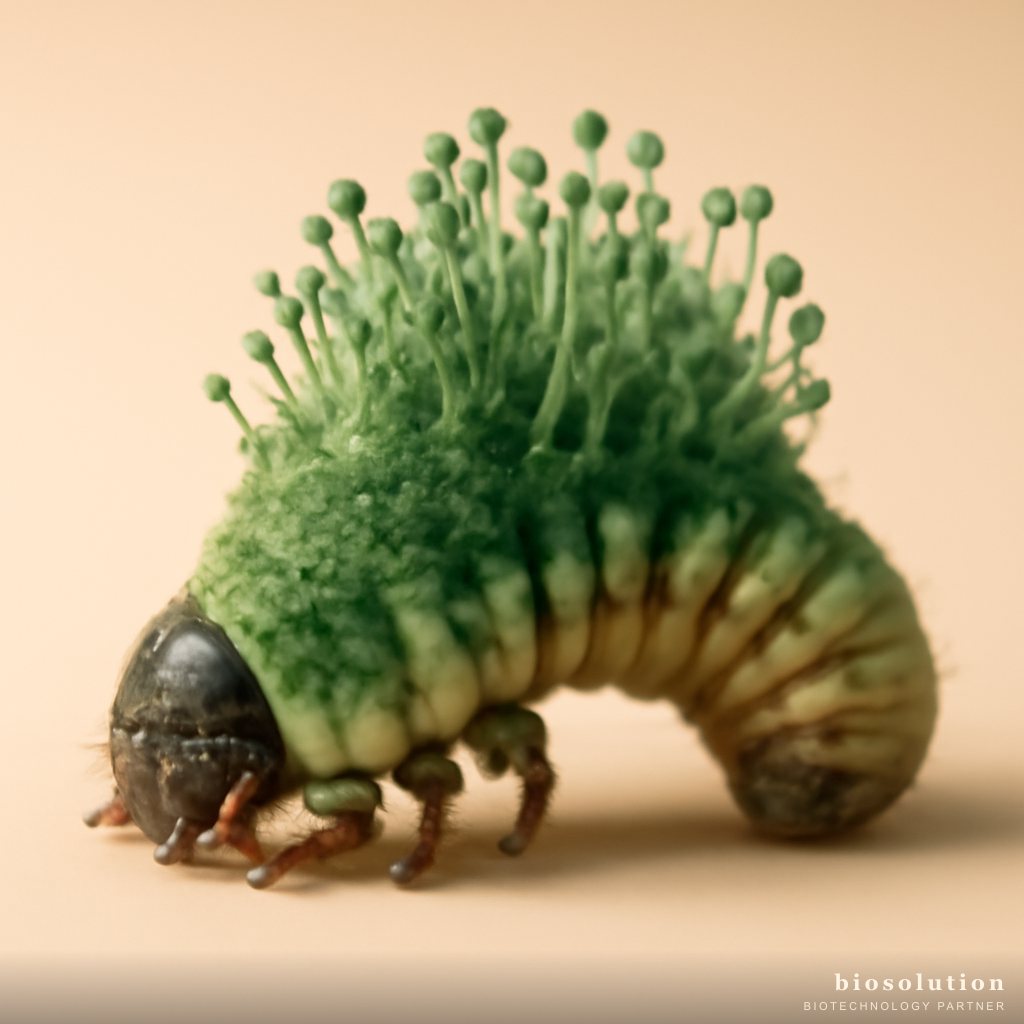
How to Apply Metarhizium anisopliae for Soil Pests
This article reviews the correct application of Metarhizium anisopliae to control soil pests in plantations. It discusses 7 common mistakes when applying entomopathogens, the mechanism of action, dosage, spray timing, and Biosolution products containing Beauveria bassiana and Metarhizium anisopliae for optimal efficacy.
Dr. Aryo Wibowo8 min

Biocontrol
3 Mistakes in Applying Entomopathogens for Coffee Berry Borer
Coffee berry borer (CBB) is a major pest that downgrades specialty coffee grade. Many farmers have switched to entomopathogens like Beauveria bassiana, but often make application mistakes that lead to suboptimal results. This article reviews the 3 most common mistakes and their solutions for effective and export-friendly CBB control.
Bagus Pamungkas, M.P.8 min
Biocontrol
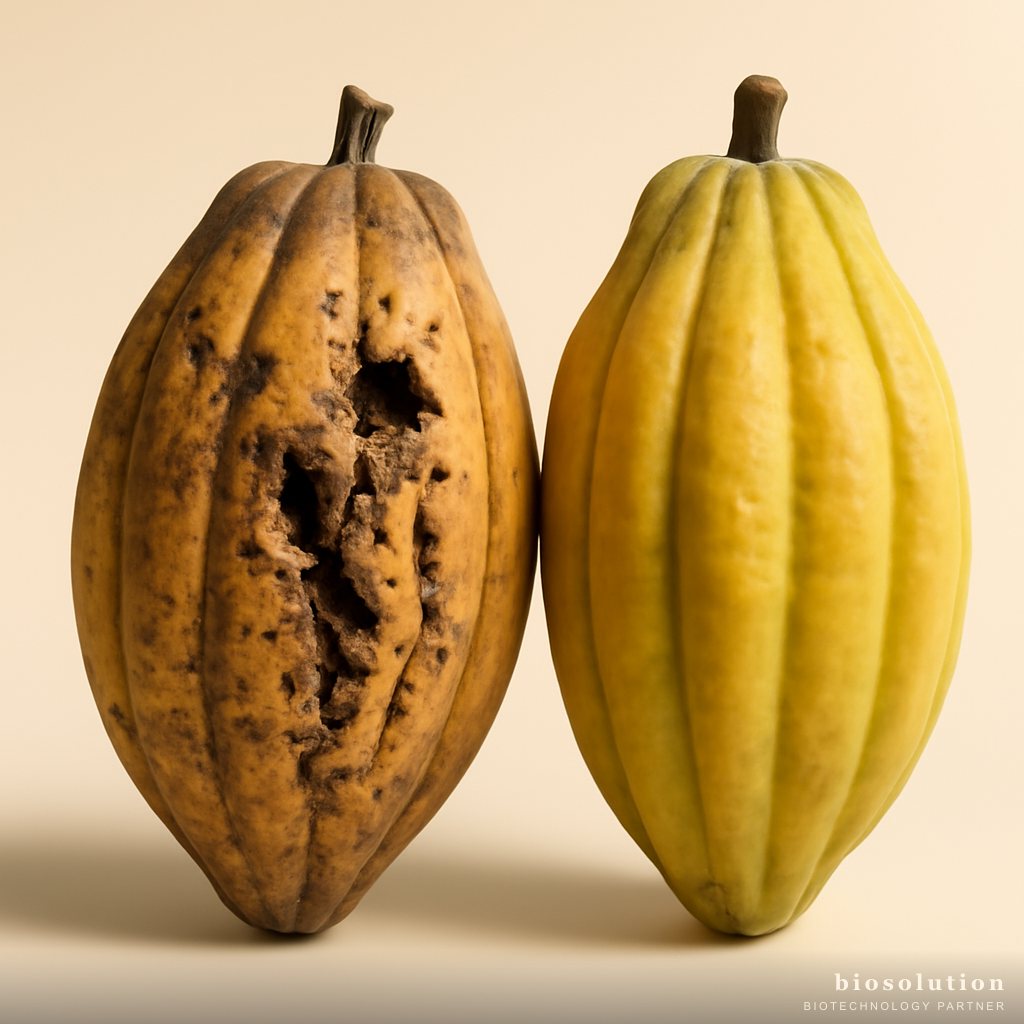
5 Entomopathogen Application Mistakes for Cocoa Pod Borer Biocontrol
Biocontrol of cocoa pod borer (Conopomorpha cramerella) with entomopathogens like Beauveria bassiana and Metarhizium anisopliae is highly effective, but often fails due to application errors. This article discusses 5 common mistakes and how to fix them for optimal harvest.
Indah Permatasari, M.P.9 min
Biocontrol
Metarhizium anisopliae Application: Biological vs Synthetic Formula
This article compares the efficacy of Metarhizium anisopliae application in Broad-Spectrum Biological Insecticide Formula versus synthetic insecticides. Discusses mechanisms, dosage, and biological advantages for plantation farmers.
Ir. Bambang Sutomo8 min

Biocontrol
Trichoderma Biofungicide: The Right Formula to Control Soilborne Pathogens
Trichoderma biofungicide is a key solution for controlling soilborne pathogens like Fusarium and Phytophthora. However, many farmers fail due to application errors. This article reviews Biosolution's soilborne fungus control formula containing Trichoderma harzianum and Gliocladium virens, along with proper application guidelines for optimal results.
Bagus Pamungkas, M.P.8 min
Biocontrol
Anti Coffee Berry Borer: Biological Formula vs Synthetic Insecticide
This article compares the efficacy of an Anti-Coffee Berry Borer (CBB) formula based on Beauveria bassiana and Metarhizium anisopliae with synthetic insecticides. Discover the advantages of biological control for maintaining specialty coffee grade and residue safety.
Dr. Aryo Wibowo9 min
Biocontrol
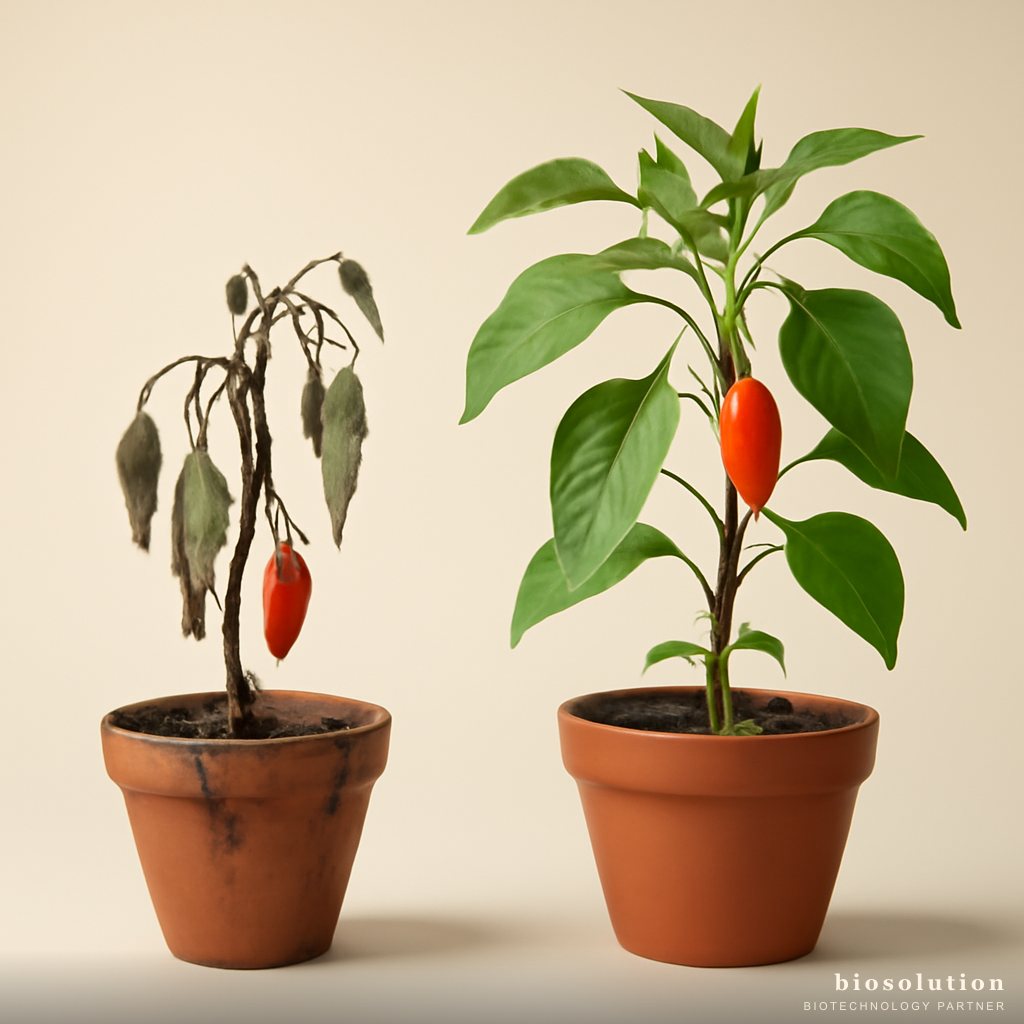
Anti Phytophthora Rot in Chili: Monitoring Biocontrol Populations in the Field
Anti phytophthora rot in chili is a serious challenge for chili and cocoa farmers. This article discusses strategies for monitoring biocontrol populations in the field using trap, scout, and threshold methods. By utilizing Biosolution's Anti-Phytophthora Rot Formula containing Trichoderma harzianum, Pseudomonas fluorescens, and Bacillus subtilis, farmers can effectively and sustainably suppress the pathogen.
Diah Savitri, S.P., M.Sc.8 min
Biocontrol
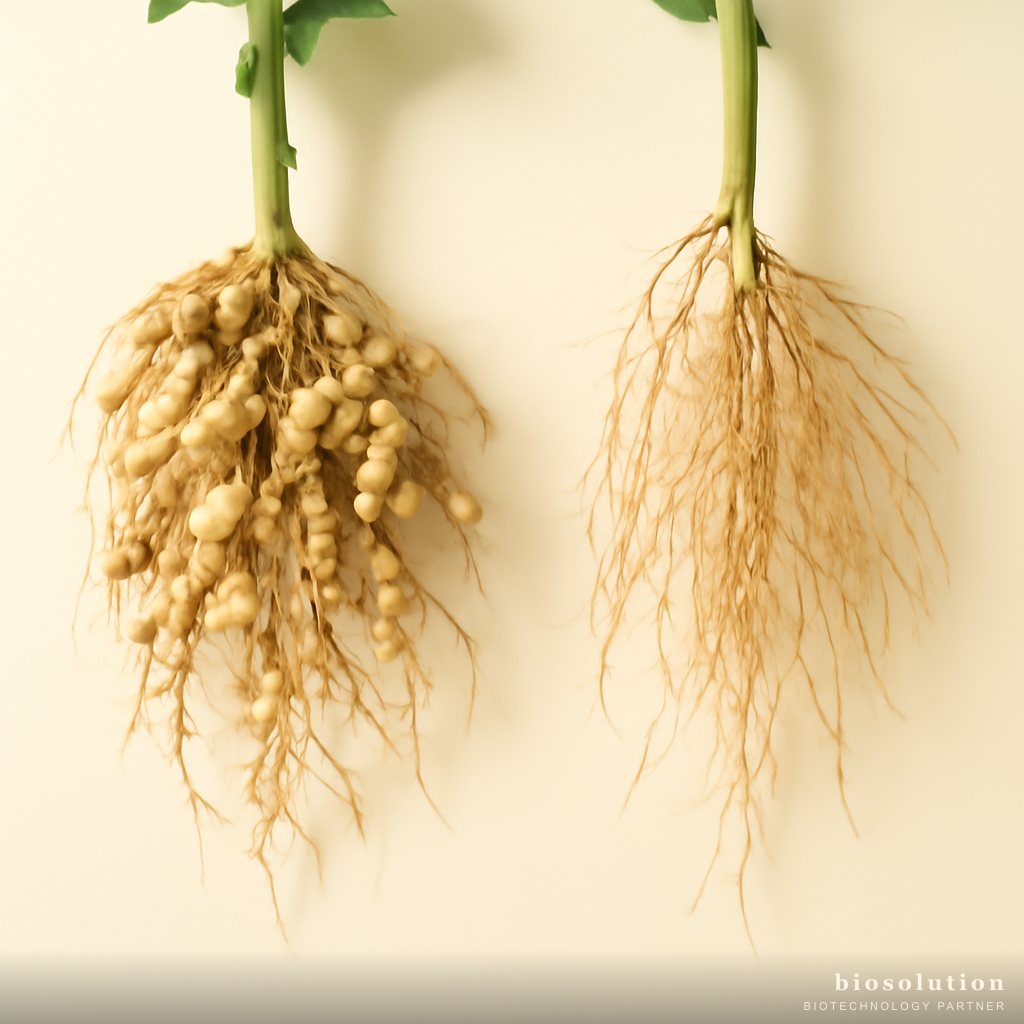
Root-Knot Nematode Biocontrol: Formula vs Insecticide Efficiency Comparison
This article compares the efficacy of Root-Knot Nematode Control Formula (containing Paecilomyces lilacinus and Bacillus firmus) with synthetic insecticides in controlling Meloidogyne parasitic nematodes. Data on 70-80% population suppression, microbial mechanisms, and agroecosystem safety advantages are presented. Suitable for vegetable and tomato farmers transitioning to integrated pest management.
Ir. Bambang Sutomo11 min
Biocontrol
Root-Knot Nematode Biocontrol: Smart Way to Tackle Meloidogyne
This article discusses root-knot nematode biocontrol strategies, specifically Meloidogyne in tomato and vegetable crops. Learn how to monitor nematode populations in the field using trap, scout, and threshold methods, and the solution using Root-Knot Nematode Control Formula based on Paecilomyces lilacinus and Bacillus firmus.
Dr. Aryo Wibowo9 min
Biocontrol
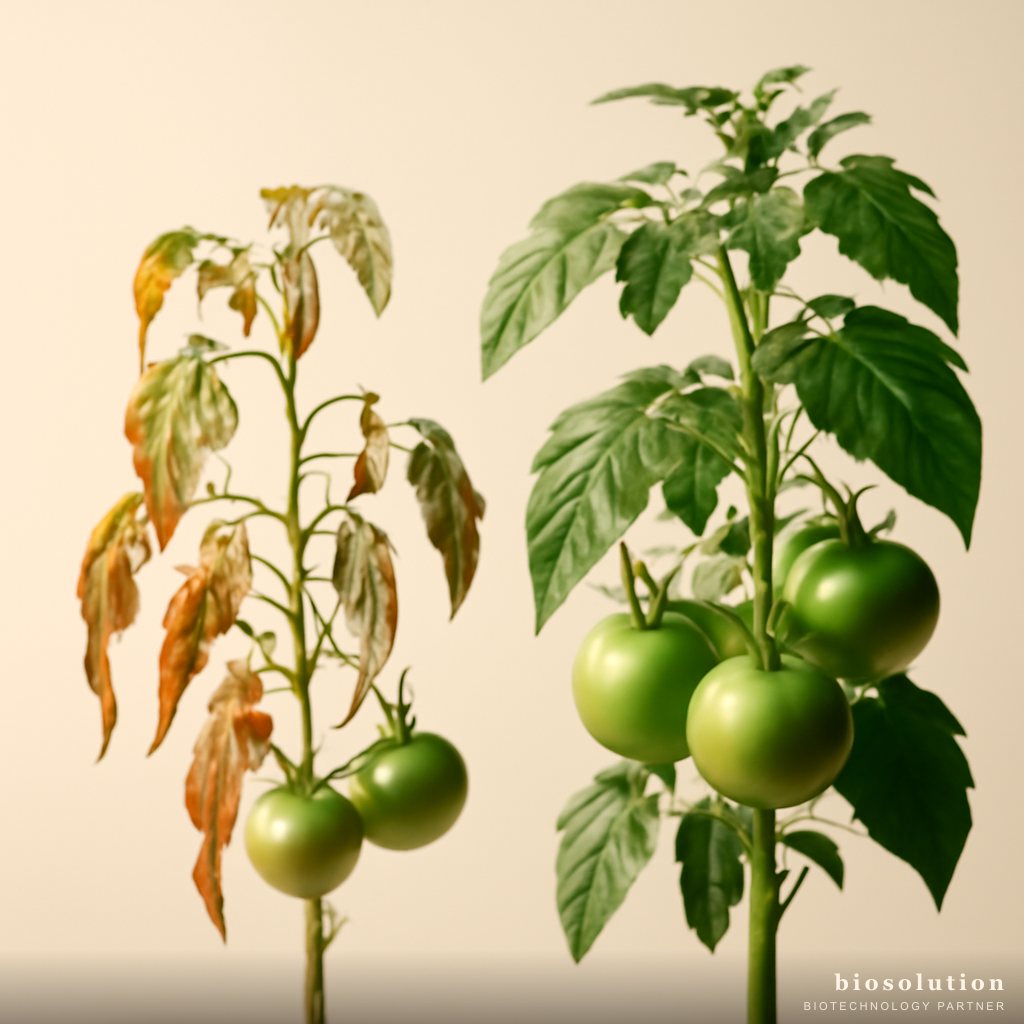
Anti Fusarium Wilt in Tomatoes: Biological Formula vs Synthetic Insecticides
Fusarium wilt in tomatoes and chili peppers is caused by Fusarium oxysporum. This article compares the efficacy of a biological Anti-Fusarium Wilt Formula (Trichoderma harzianum, Gliocladium virens, Pseudomonas fluorescens) with synthetic insecticides in controlling soilborne pathogens. Results show that the biological formula not only suppresses disease but also improves plant resistance and is safe for organic farming.
Bagus Pamungkas, M.P.10 min
Biocontrol
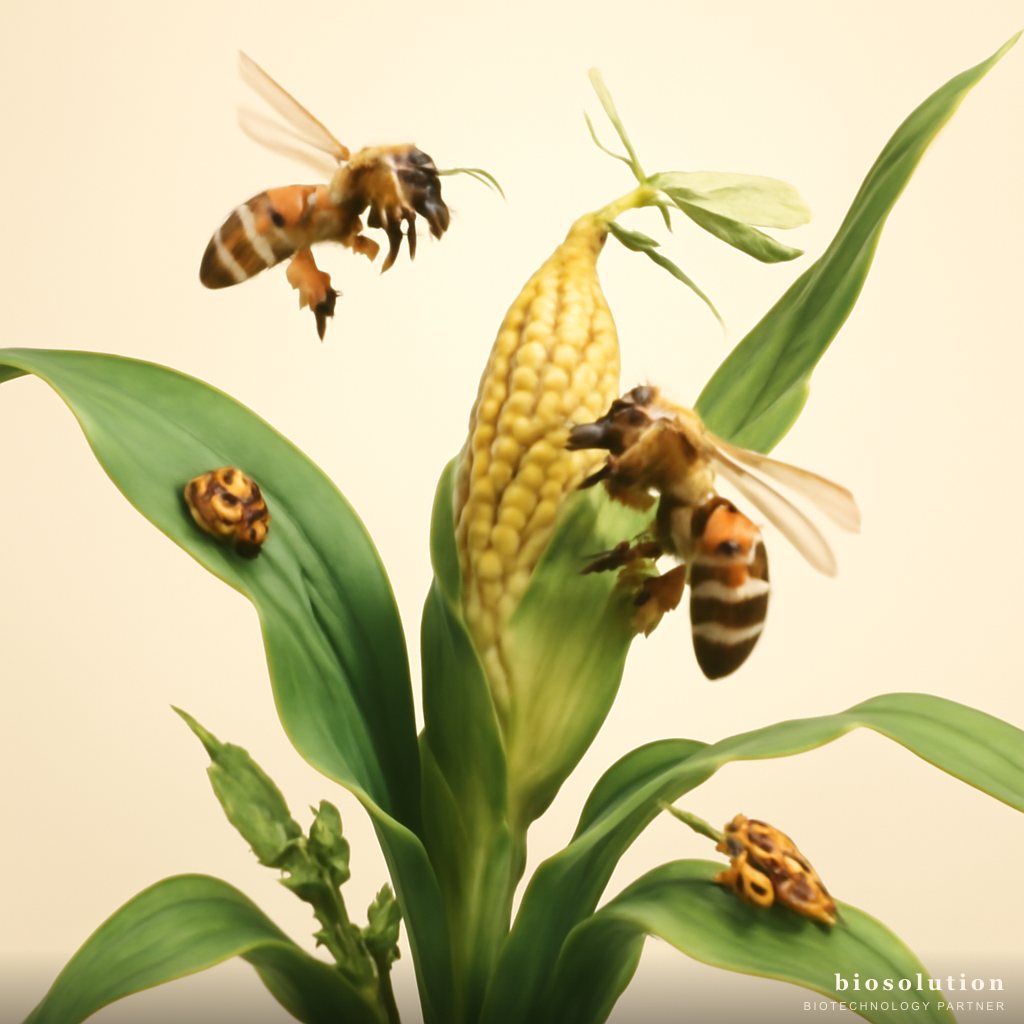
Eco-Friendly Biopesticide: Efficacy of Biological Formula vs Synthetic Insecticide
This article compares the efficacy of eco-friendly biopesticides (Broad-Spectrum Biological Insecticide Formula) with synthetic insecticides. Biopesticides based on Beauveria bassiana and Metarhizium anisopliae can control pests with 80-85% efficacy, without chemical residues, and support sustainable agriculture and integrated pest management (IPM).
Indah Permatasari, M.P.9 min
Biocontrol
Tomato Fusarium Wilt Control: Manage with Population Monitoring
Fusarium wilt caused by *Fusarium oxysporum* is a scourge for tomato and chili farmers. This article discusses strategies for monitoring pathogen populations in the field—using trap, scout, and action threshold determination—as an initial step in integrated control. Also explore the role of the Anti-Fusarium Wilt Formula containing *Trichoderma harzianum*, *Gliocladium virens*, and *Pseudomonas fluorescens* to suppress infection biologically.
Ir. Bambang Sutomo9 min